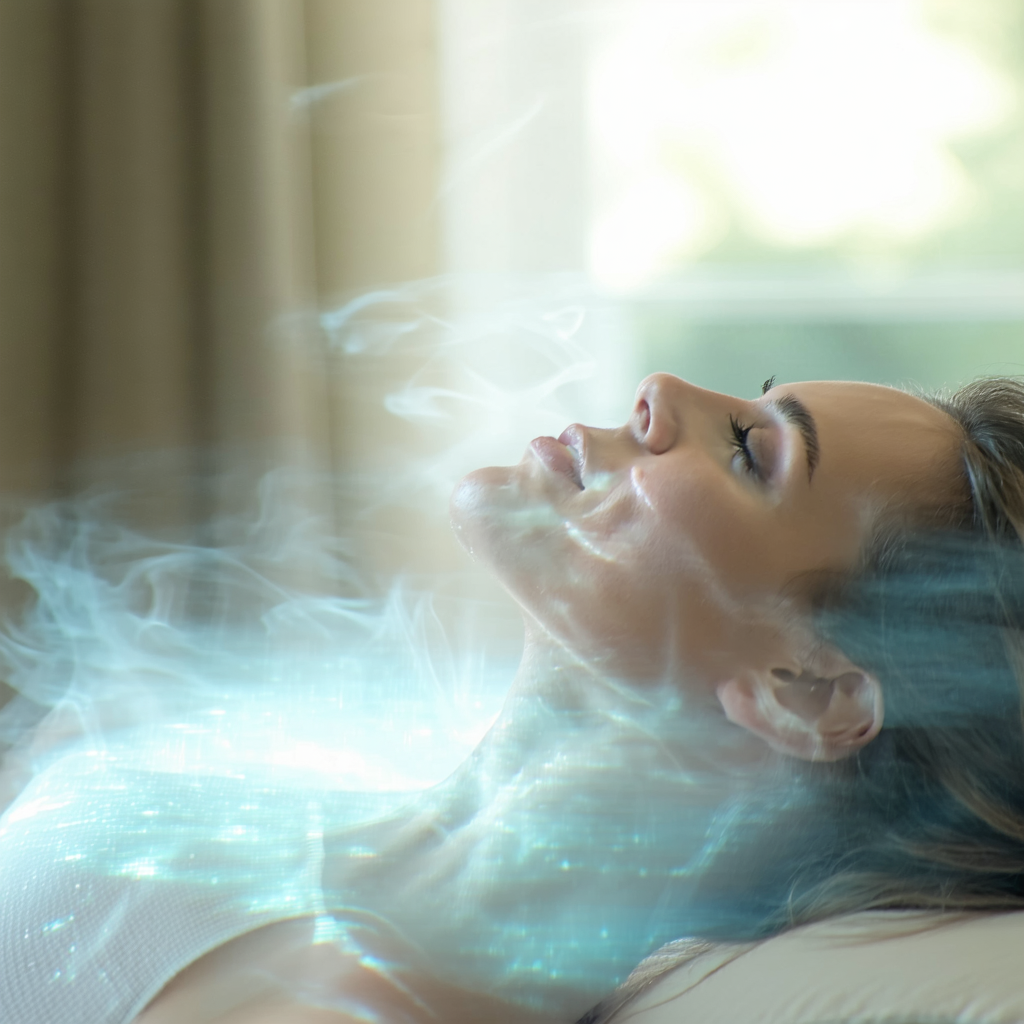
What are aura cleansing techniques and do they actually work?
Aura cleansing techniques are intentional practices – breathwork, sound, movement, salt, smoke, and more – designed to clear stagnant or heavy energy from the subtle field that many traditions describe as surrounding the body. I have found that even if you hold a skeptical view of the metaphysics, the underlying habits (mindful breathing, time in nature, intentional bathing) carry real, documented benefits for stress and mood. The short answer is: the ritual structure itself may support wellbeing, and that is reason enough to explore it.
Table of contents
- What is an aura – a plain-language overview
- Why people cleanse their aura and what signs prompt it
- The core aura cleansing techniques explained step by step
- Breathwork and visualization
- Sound healing and frequency baths
- Smudging and smoke cleansing
- Salt and water rituals
- Crystal and gemstone clearing
- Nature immersion and grounding
- Movement, yoga, and energy flow
- Building a daily aura cleansing routine
- Quick comparison – choosing the right technique for you
- Frequently asked questions
What is an aura – a plain-language overview
An aura is described across many spiritual and healing traditions as an energetic field that extends a few inches to several feet beyond the physical body. It is said to carry information about emotional states, physical vitality, and mental patterns. Different layers – sometimes called bodies or sheaths – are associated with different aspects of the self, from the physical to the spiritual.
From a scientific standpoint, the body does generate measurable electromagnetic fields. The heart alone produces a field detectable several feet away, a fact documented by researchers at the HeartMath Institute. Whether these fields correspond to what mystics call the aura is an open question, but the bioelectromagnetic reality of the body gives the concept a grounding that is worth acknowledging.
In my own experience, I think of the aura less as a fixed object and more as a useful metaphor for overall energetic tone – the felt sense of how clear, heavy, scattered, or vibrant I feel on a given day.
Why people cleanse their aura and what signs prompt it
People turn to aura cleansing techniques when they notice persistent heaviness, emotional fog, low motivation, or a sense of carrying energy that does not feel like their own. These are not diagnostic criteria – they are subjective signals that something in the system feels off.
Common prompts include spending time in crowded or conflict-heavy environments, going through grief or major life transitions, feeling emotionally drained after certain interactions, or simply wanting a reset at the start or end of the week.
Some people also use aura cleansing techniques preventively – the same way someone might stretch before exercise. The goal is maintenance rather than crisis management, and that proactive framing tends to make the practice more sustainable.
The core aura cleansing techniques explained step by step
There is no single correct method. The most effective aura cleansing techniques are the ones you will actually do consistently. Below I walk through the main approaches, how they are traditionally understood, what the adjacent evidence says, and how to put them into practice today.
Breathwork and visualization
Breathwork is one of the most accessible aura cleansing techniques because it requires nothing but your own body. Slow, controlled breathing activates the parasympathetic nervous system, reducing cortisol and shifting the body out of a stress response. Research published by the National Institutes of Health supports the role of mindfulness-based breathing in reducing anxiety and improving mood regulation.
The energetic framing adds a layer of intention to the physiological benefit. As you inhale, you visualize clear, bright light entering and filling your field. As you exhale, you imagine releasing gray or murky energy outward and away. This combined approach – physiology plus intention – is what makes breathwork one of the foundational aura cleansing techniques.
Simple practice:
- Sit comfortably with your spine upright.
- Inhale slowly for a count of four, visualizing golden or white light entering through the crown of your head.
- Hold for a count of four, letting the light spread through your entire field.
- Exhale for a count of six, releasing any heaviness with the breath.
- Repeat for five to ten minutes.
I have found this practice most useful first thing in the morning before checking my phone. Even five minutes shifts my baseline noticeably.
Sound healing and frequency baths
Sound has been used in healing contexts for thousands of years, from Tibetan singing bowls to tuning forks to modern binaural beats. The premise in aura work is that specific frequencies cause stagnant energy to break up and move, restoring coherence to the field.
From a physiological angle, sound vibration does affect the nervous system. Certain frequencies promote relaxation, focus, or alertness. Some people find that listening to 432 Hz or 528 Hz music during a cleansing session deepens the felt sense of clearing, though the specific frequency claims remain debated in the scientific literature.
How to use sound as an aura cleansing technique:
- Strike a singing bowl and slowly move it around your body, starting at the feet and moving upward.
- Use a tuning fork on or near energy centers (chakras) along the spine.
- Play a recorded sound bath or binaural beats track while lying in savasana for 20 minutes.
- Hum or tone a single note and feel the vibration in your chest – this is simple, free, and surprisingly effective.
In my own routine, I keep a small singing bowl on my desk. A few strikes at the end of a difficult call or meeting act as an auditory reset that I have come to rely on more than I expected.
Smudging and smoke cleansing
Smudging – burning dried herbs and moving the smoke around the body and space – is one of the most widely recognized aura cleansing techniques. White sage is the herb most associated with the practice in North American traditions, though rosemary, palo santo, cedar, and lavender are used across many cultures and are more sustainably sourced alternatives.
Burning certain plants does have a measurable effect on air quality. A 2007 study found that smoke from medicinal plants reduced airborne bacteria significantly in enclosed spaces. Whether this translates to energetic clearing is a matter of belief, but the ritual act of intentional smoke cleansing does create a clear sensory boundary – a before and after – that supports mental reset.
Basic smudging practice:
- Open a window to allow energy (and smoke) to exit.
- Light your chosen herb bundle and let it catch, then gently blow out the flame so it smolders.
- Starting at your feet, move the smoke upward around your body using a feather or your hand.
- Pay extra attention to areas that feel heavy or tense.
- Set a clear intention as you work – something simple like “I release what is not mine to carry.”
If smoke is not an option – in a shared office, for example – a spray made with distilled water, a pinch of salt, and a few drops of sage or frankincense essential oil works as a practical substitute and still carries the ritual intention.
Salt and water rituals
Water has long been associated with purification across virtually every human culture. Salt is understood in many traditions to neutralize and absorb negative energy. Together, they form one of the most grounding aura cleansing techniques available.
From a practical health perspective, warm baths support muscle relaxation, improve circulation, and lower cortisol. Adding Epsom salts (magnesium sulfate) may support magnesium absorption through the skin, though the evidence on transdermal magnesium is mixed. What is less debated is the psychological benefit of a dedicated, intentional bathing ritual.
Salt bath cleansing protocol:
- Add one to two cups of sea salt or Epsom salt to a warm bath.
- Optional: add a few drops of lavender or eucalyptus essential oil.
- Before entering, state your intention clearly – aloud or silently.
- Soak for 20 minutes, visualizing the water drawing out heaviness from your field.
- As you drain the tub, imagine all that energy flowing away with the water.
If a full bath is not practical, a salt scrub in the shower or even rinsing your hands and forearms with salted water while setting an intention can serve as a condensed version of this aura cleansing technique.
Crystal and gemstone clearing
Crystals are among the most popular tools used in aura cleansing techniques today. The belief is that different stones carry distinct vibrational properties that interact with the human energy field. Black tourmaline and obsidian are associated with protection and absorption of heavy energy. Clear quartz is linked to amplification and clarity. Selenite is widely used for cleansing other crystals and the aura itself.
There is no peer-reviewed evidence that crystals affect the human energy field in measurable ways. That said, the focused attention and intention that crystal work encourages is itself a mindfulness practice, and mindfulness has a well-established evidence base. The crystal is, at minimum, a useful anchor for intention.
Simple crystal aura sweep:
- Hold a piece of selenite or clear quartz in your dominant hand.
- Starting above your head, slowly sweep the crystal downward through the air around your body, a few inches from the skin.
- Move from head to toe, front and back.
- Visualize the crystal combing through your field and lifting out any density.
- Cleanse the crystal afterward under running water or moonlight.
Nature immersion and grounding
Spending time in natural environments is one of the most evidence-supported aura cleansing techniques, even if mainstream science uses different language for it. Research on “forest bathing” (shinrin-yoku) shows measurable reductions in cortisol, blood pressure, and inflammatory markers after time spent walking among trees.
Grounding – also called earthing – involves direct physical contact with the earth’s surface. Some preliminary research suggests that contact with the earth’s mild negative charge may have anti-inflammatory effects, though larger studies are needed. In energetic terms, grounding is understood to discharge excess or foreign energy and reconnect you to your own baseline.
Grounding practice:
- Remove your shoes and stand or walk barefoot on grass, soil, sand, or stone for at least 10 minutes.
- Focus on the sensation of the ground beneath your feet.
- Breathe slowly and visualize roots extending from your feet deep into the earth.
- Allow any heaviness in your field to drain downward through those roots.
Even a short lunch break walk in a park, without headphones, functions as a mild but effective aura cleansing technique. I have made this a non-negotiable on high-stress workdays.
Movement, yoga, and energy flow
Stagnant energy and stagnant bodies tend to go together. Movement-based aura cleansing techniques work on the principle that physical flow supports energetic flow. Yoga, tai chi, qigong, and even vigorous dancing are all used in this context.
Yoga in particular offers a structured framework – asanas (postures), pranayama (breath control), and sometimes mantra – that addresses the physical, energetic, and mental layers simultaneously. Qigong and tai chi similarly work with the concept of qi (life force) and aim to remove blockages and restore smooth circulation through the energy channels.
Quick energy-clearing movement sequence:
- Begin with three minutes of shaking – literally shake your hands, arms, legs, and whole body loosely. This is used in trauma-informed somatic practices to discharge held tension.
- Move into five minutes of slow, flowing movement – think gentle sun salutations or free-form intuitive movement.
- Close with two minutes of stillness, hands on heart, feeling the shift in your body.
Building a daily aura cleansing routine
The most effective aura cleansing techniques are the ones practiced regularly, not just in moments of crisis. A sustainable routine does not need to be long. Even ten minutes a day, practiced consistently, tends to produce more noticeable results than an occasional two-hour session.
I structure my own practice around three anchor points in the day: a short morning breath and visualization practice, a midday grounding walk, and an evening wind-down that sometimes includes a salt bath or sound bowl. Not all three happen every day, but having the structure means at least one usually does.
Sample daily aura cleansing framework:
- Morning (5-10 min): Breathwork with light visualization. Set an intention for the day.
- Midday (10-15 min): Barefoot time outside or a mindful walk without devices.
- Evening (10-20 min): Salt bath or shower rinse, sound bowl, or a crystal sweep. Journal briefly about what you are releasing.
The journaling piece is underrated. Writing down what you want to release makes the intention concrete and gives you a record of patterns over time.
Quick comparison – choosing the right technique for you
- Breathwork and visualization – Best for: daily use, no tools needed, works anywhere. Time needed: 5-10 minutes.
- Sound healing – Best for: deep relaxation, clearing after emotional overload. Time needed: 10-30 minutes.
- Smudging or smoke cleansing – Best for: space and body clearing combined, ritual reset. Time needed: 5-15 minutes. Note: requires ventilation.
- Salt and water ritual – Best for: heavy or prolonged energetic fatigue, physical relaxation. Time needed: 20-30 minutes.
- Crystal work – Best for: focused intention, supplementing other practices. Time needed: 5-10 minutes.
- Nature and grounding – Best for: disconnection from devices, cortisol reduction, accessible evidence base. Time needed: 10-30 minutes.
- Movement and yoga – Best for: physical tension, stuck or scattered energy, combining fitness with energetic care. Time needed: 15-45 minutes.
Frequently asked questions
How often should I use aura cleansing techniques?
Most practitioners suggest a short daily practice – even five to ten minutes – rather than infrequent long sessions. Daily use of aura cleansing techniques helps maintain a clear baseline so that heavy energy does not accumulate. Some people do a more thorough cleanse weekly, such as a salt bath, while using breathwork or grounding as a daily touchpoint.
Can I combine multiple aura cleansing techniques in one session?
Yes, and many people find that layering techniques deepens the effect. A common combination is smudging the space first, then doing a breathwork and visualization practice, then closing with a crystal sweep. The key is to keep the session intentional rather than scattered – choose two or three techniques that complement each other and move through them with focus.
Do aura cleansing techniques have any scientific backing?
The specific claim that these practices clear an energy field is not currently supported by peer-reviewed science. However, many of the underlying habits – controlled breathing, time in nature, warm baths, mindful movement – do have a meaningful evidence base for stress reduction, mood support, and nervous system regulation. The ritual and intention components may also support wellbeing through the psychology of meaning-making and focused attention.
What is the difference between aura cleansing and space cleansing?
Aura cleansing techniques focus on the energy field around and within the individual person. Space cleansing – sometimes called house clearing – targets the energetic quality of a room or building. Many of the same tools are used (smudging, sound, salt), but the application differs. Some people cleanse their own aura and their living space together as part of a single ritual.
Are there any aura cleansing techniques that are safe for beginners?
Breathwork and visualization, grounding in nature, and salt baths are the most accessible starting points for anyone new to aura cleansing techniques. They require minimal tools, carry no physical risk when practiced sensibly, and are easy to fit into an existing routine. From there, you can explore sound healing or crystal work as your interest grows.
Can aura cleansing techniques replace therapy or medical care?
No – aura cleansing techniques are a complementary wellness practice, not a substitute for professional mental health support or medical treatment. If you are dealing with significant anxiety, depression, trauma, or physical health concerns, please work with qualified professionals. These practices may support overall wellbeing alongside appropriate care, but they are not intended to treat or cure any condition.
What should I do if I feel worse after an aura cleansing session?
Some people notice a temporary emotional release – feeling tearful, tired, or unsettled – after a cleansing session. This is generally considered a normal part of the process as energy shifts. If discomfort persists or feels overwhelming, it is worth scaling back the intensity of your practice, grounding yourself with food, water, and rest, and speaking with a trusted practitioner or mental health professional if needed.
For more practical wellness ideas, browse the Health Living Today guide library.