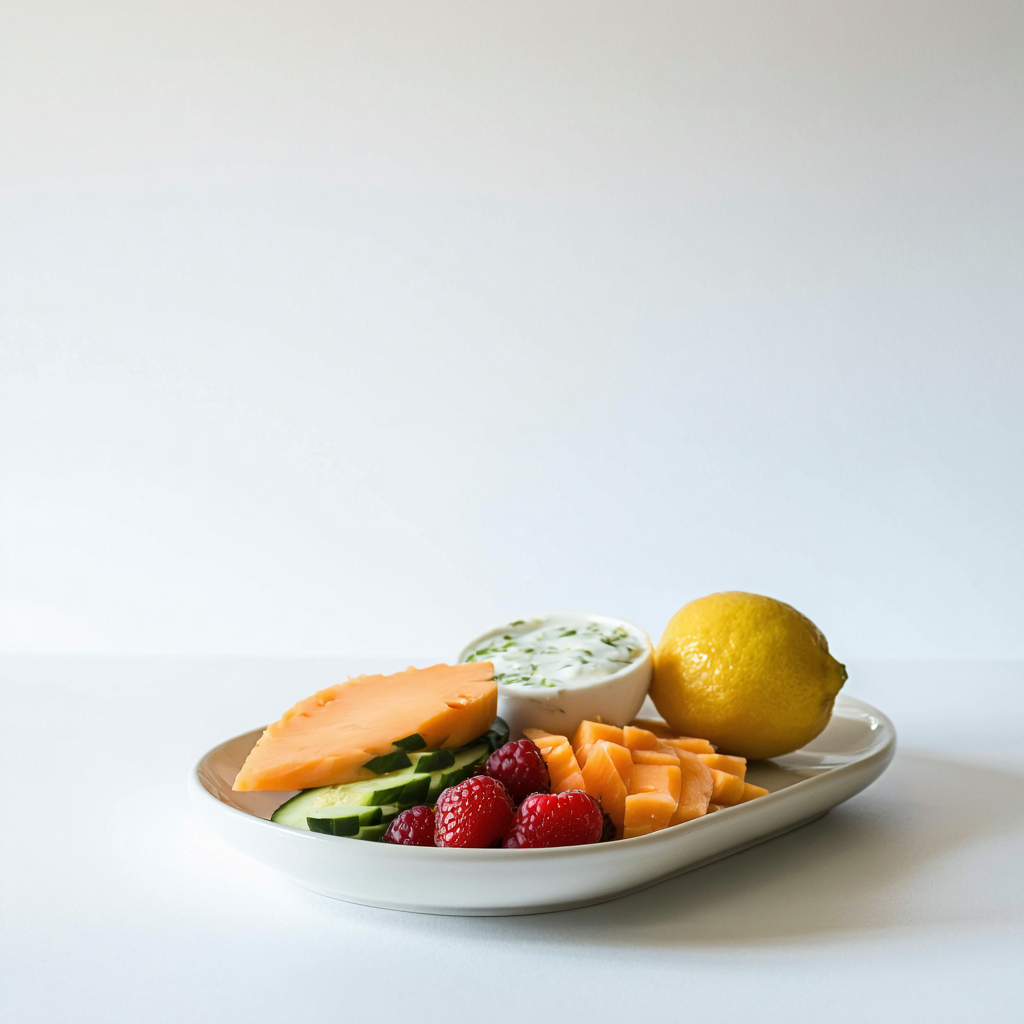
Low FODMAP diet for bloating – a practical, plain-language guide
The low FODMAP diet for bloating is one of the most well-researched dietary approaches available for people who deal with persistent abdominal distension, gas, and discomfort. Research from Monash University – the team that developed the protocol – shows that roughly 75% of people with irritable bowel syndrome (IBS) experience meaningful symptom relief when they follow it correctly. I have found it genuinely useful in my own routine, not as a forever plan, but as a structured way to identify which foods are causing problems.
Table of contents
- What does FODMAP actually mean
- Why FODMAPs cause bloating in some people
- The low FODMAP diet for bloating – the three phases explained
- Foods to avoid and foods to enjoy
- How to start without feeling overwhelmed
- Common mistakes that slow results
- Beyond food – other habits that may support less bloating
- Who benefits most from a low FODMAP approach
- Frequently asked questions
What does FODMAP actually mean
FODMAP is an acronym that stands for Fermentable Oligosaccharides, Disaccharides, Monosaccharides, and Polyols. These are specific types of short-chain carbohydrates and sugar alcohols found in a wide range of everyday foods.
The key thing to understand is that FODMAPs are not inherently bad. For many people, they pass through the digestive system without any issue. The problem arises when the gut is sensitive – FODMAPs attract water into the intestine and are rapidly fermented by gut bacteria, which produces gas and can trigger bloating, cramping, and unpredictable bowel habits.
Here is a quick breakdown of each category:
- Oligosaccharides – fructans (found in wheat, garlic, onion) and galacto-oligosaccharides (found in legumes, lentils)
- Disaccharides – lactose, found in cow’s milk, soft cheeses, and yogurt
- Monosaccharides – excess fructose, found in honey, apples, and high-fructose corn syrup
- Polyols – sorbitol and mannitol, found in stone fruits, mushrooms, and many sugar-free products
When I first read through this list I was surprised by how many “healthy” foods were on it. Garlic, onion, apples, and lentils are nutritional staples – yet for someone with a sensitive gut, they can be the hidden drivers of daily bloating.
Why FODMAPs cause bloating in some people
The gut is not a passive tube. It is a highly active environment populated by trillions of bacteria that ferment undigested carbohydrates as a normal part of digestion. For most people, this process is smooth and symptom-free.
In people with a sensitive gut – particularly those with IBS – two things go wrong. First, FODMAPs draw extra fluid into the small intestine, which can cause a feeling of fullness and heaviness. Second, when those carbohydrates reach the large intestine, bacteria ferment them quickly, producing hydrogen and methane gas. The resulting distension stretches the bowel wall, and in a gut that is already hypersensitive, even a small amount of stretching registers as pain or discomfort.
This is why the low FODMAP diet for bloating is not about eliminating fiber or eating less. It is about temporarily removing the specific fermentable carbohydrates that are triggering an outsized response in a sensitive digestive system.
Some research also points to the gut-brain axis – the two-way communication between the digestive system and the brain – as a factor. Stress and anxiety can amplify gut sensitivity, which is why dietary changes alone do not always solve the problem completely. More on that later.
The low FODMAP diet for bloating – the three phases explained
The low FODMAP diet for bloating is not meant to be a permanent way of eating. It is a structured, time-limited protocol with three distinct phases. Understanding all three before you start is critical, because skipping phase two is one of the most common reasons people do not get lasting results.
Phase 1 – Elimination (2 to 6 weeks)
In this phase, you remove all high-FODMAP foods from your diet. The goal is not perfection – it is reduction. Most practitioners recommend a strict 4-week elimination period to give your gut time to settle and symptoms to improve noticeably.
This is the phase that feels most restrictive. You are cutting out foods like onion, garlic, wheat, most legumes, lactose-containing dairy, and a long list of fruits and vegetables. It can feel overwhelming at first, but there is a substantial list of low-FODMAP foods that remain available – more on those shortly.
I remember my first week of elimination feeling genuinely strange. I reached for garlic out of habit while cooking and had to stop myself. Within about ten days, though, my bloating after dinner had noticeably reduced, which was enough motivation to keep going.
Phase 2 – Reintroduction (6 to 8 weeks)
This is the phase that most people skip or rush, and it is arguably the most important one. During reintroduction, you systematically test individual FODMAP subgroups one at a time, in controlled amounts, while keeping the rest of your diet low-FODMAP.
The process looks like this: you eat a small test portion of a specific FODMAP category on day one, a larger portion on day two, and then return to strict low-FODMAP eating for two to three days to let your gut recover before testing the next category. You keep a symptom diary throughout.
The goal is to identify your personal triggers. Most people are not sensitive to every FODMAP category – they react to one or two. Finding out which ones means you can eventually eat a much wider diet than the elimination phase suggests.
Phase 3 – Personalization (ongoing)
Once you know your specific triggers, you build a long-term eating pattern around them. This phase is about eating as broadly as possible while avoiding only the foods that genuinely cause your symptoms. The low FODMAP diet for bloating, done correctly, ends with you having a personalized, flexible, nutritionally complete diet – not a permanently restricted one.
Foods to avoid and foods to enjoy
Here is a practical comparison to help you navigate the elimination phase. This is not exhaustive – the Monash University FODMAP app is the gold standard reference – but it covers the most common foods people encounter.
High-FODMAP foods to avoid during elimination
- Onion and garlic (including powders and stocks made with them)
- Wheat-based bread, pasta, and cereals
- Cow’s milk, soft cheeses, yogurt (lactose sources)
- Apples, pears, mangoes, watermelon, cherries
- Legumes – chickpeas, lentils, kidney beans, baked beans
- Mushrooms, cauliflower, and artichokes
- Honey and high-fructose corn syrup
- Stone fruits – peaches, plums, nectarines, avocado in large amounts
- Sugar-free gum and mints containing sorbitol or mannitol
- Cashews and pistachios
Low-FODMAP foods you can enjoy freely
- Rice, oats, quinoa, corn tortillas, sourdough spelt bread
- Chicken, beef, fish, eggs, tofu (firm)
- Lactose-free milk and hard aged cheeses (cheddar, parmesan, brie)
- Strawberries, blueberries, oranges, grapes, kiwi, bananas (firm, not overripe)
- Carrots, cucumber, bell peppers, zucchini, spinach, kale, potatoes
- Garlic-infused oil (the fructans in garlic are not oil-soluble, so the flavor transfers without the FODMAP)
- Spring onion green tops (the green part is low-FODMAP, the white bulb is not)
- Walnuts, macadamia nuts, pumpkin seeds
- Maple syrup, table sugar, and most dark chocolate in small amounts
That garlic-infused oil tip was a genuine revelation for me. I missed the flavor of garlic enormously during elimination, and discovering I could get it back through infused oil made the whole process feel far more sustainable.
How to start without feeling overwhelmed
Starting a low FODMAP diet for bloating can feel like a project, but breaking it into small steps makes it manageable. Here is the sequence I recommend.
Step 1 – Get a reliable reference tool
Download the Monash University FODMAP app before you change anything. It uses a traffic-light system and is updated regularly as new foods are tested. Trying to rely on outdated blog posts or generic lists leads to unnecessary restriction or accidental FODMAP consumption.
Step 2 – Do a kitchen audit
Go through your pantry, fridge, and freezer. Identify the high-FODMAP items you use most often. Then find a low-FODMAP substitute for each one before you start. Swapping onion and garlic for garlic-infused oil and the green tops of spring onions, for example, means you can keep cooking in a familiar way.
Step 3 – Plan one week of meals in advance
Decision fatigue is the enemy of any dietary change. Spend an hour before you begin mapping out breakfast, lunch, dinner, and snacks for the first seven days. Use simple, whole-food meals rather than trying to replicate complex recipes. Rice with grilled chicken and roasted vegetables is perfectly adequate.
Step 4 – Work with a dietitian if possible
A registered dietitian who specializes in the low FODMAP protocol can save you months of trial and error. They can review your food diary, flag hidden FODMAPs in packaged foods, and guide the reintroduction phase. If access or cost is a barrier, many offer single-session consultations that cover the fundamentals.
Step 5 – Keep a symptom diary from day one
Note what you eat, when you eat it, and how you feel in the hours after. Bloating often has a delay – symptoms from lunch may not peak until mid-afternoon. A diary makes these patterns visible and makes the reintroduction phase far more informative.
Common mistakes that slow results
The low FODMAP diet for bloating is effective when followed correctly, but there are several pitfalls that consistently undermine results.
Mistake 1 – Ignoring hidden FODMAPs
Many packaged foods contain onion powder, garlic powder, honey, or high-fructose corn syrup. These are listed in the ingredients but easy to miss. Stocks, sauces, marinades, and protein bars are common culprits. Reading every label during elimination is non-negotiable.
Mistake 2 – Skipping the reintroduction phase
Some people feel so much better during elimination that they stay on it indefinitely. This is problematic for two reasons. First, the elimination diet is nutritionally restrictive and not designed for long-term use. Second, without reintroduction, you never learn which specific foods are actually triggering your symptoms – so you stay unnecessarily restricted forever.
Mistake 3 – Portion sizes matter even for low-FODMAP foods
Many foods are low-FODMAP in a standard serving but become high-FODMAP in larger amounts. Canned chickpeas, for instance, are low-FODMAP at a quarter of a can but high-FODMAP at half a can. Stacking multiple “safe” foods that each contain a small FODMAP load can add up to a symptom-triggering total – a phenomenon sometimes called FODMAP stacking.
Mistake 4 – Expecting instant results
Some people notice improvement within days. Others take two to three weeks to see a meaningful change. If you are not seeing any improvement after four weeks of strict elimination, that is a signal to revisit your food diary for hidden FODMAPs or to discuss other potential causes with a healthcare provider.
Mistake 5 – Treating it as a weight-loss diet
The low FODMAP diet for bloating is a diagnostic and therapeutic tool for gut symptoms. It is not designed to reduce calorie intake or promote weight loss, and framing it that way creates unnecessary stress around food choices.
Beyond food – other habits that may support less bloating
Diet is the primary lever, but it is not the only one. Several non-dietary factors influence bloating, and addressing them alongside the low FODMAP protocol often produces better results than diet alone.
Eating pace and meal size
Eating quickly causes you to swallow air, which contributes to gas and bloating. Slowing down, chewing thoroughly, and eating smaller meals more frequently may support a calmer digestive response. Some people find that eating while distracted – in front of a screen, for example – consistently worsens their symptoms.
Carbonated drinks
Fizzy water and carbonated beverages introduce carbon dioxide directly into the digestive tract. For people who are already prone to bloating, cutting back on carbonated drinks during the elimination phase is worth trying.
Physical movement
Gentle movement after meals – even a 10-minute walk – may support gut motility and help gas move through the digestive tract more efficiently. I have found a post-dinner walk to be one of the most reliable ways to reduce that tight, full feeling after eating.
Stress management
The gut-brain axis means that psychological stress directly affects gut function. Elevated stress can slow motility, increase gut sensitivity, and worsen bloating even when your diet is on point. Practices like diaphragmatic breathing, mindfulness, and adequate sleep may support gut health alongside dietary changes.
Probiotics
The evidence for probiotics in IBS and bloating is mixed but emerging. Certain strains – particularly Lactobacillus rhamnosus GG and Bifidobacterium infantis – have shown promise in some studies. If you want to explore probiotics, discuss specific strains with a healthcare provider rather than choosing a product based on marketing claims.
Who benefits most from a low FODMAP approach
The low FODMAP diet for bloating was originally developed for people with IBS, and that remains the population with the strongest evidence base. If you have been diagnosed with IBS-D (diarrhea-predominant), IBS-C (constipation-predominant), or IBS-M (mixed), the low FODMAP protocol is worth discussing with your doctor or dietitian.
Some people with functional bloating – bloating without a formal IBS diagnosis – also report meaningful improvement. Similarly, those with small intestinal bacterial overgrowth (SIBO) sometimes find that a low FODMAP approach reduces symptoms during treatment, since it limits the fermentable substrate available to bacteria in the small intestine.
The low FODMAP diet for bloating is less likely to be the right primary intervention if your bloating is related to:
- Celiac disease (where the priority is strict gluten elimination)
- Inflammatory bowel disease such as Crohn’s or ulcerative colitis (where a gastroenterologist should lead dietary guidance)
- Gastroparesis or structural digestive issues
- Eating disorders or a history of disordered eating (the restriction involved can be counterproductive)
If you are unsure whether the low FODMAP approach is appropriate for your situation, a conversation with your GP or a registered dietitian is the right starting point – not a self-diagnosis from a list online.
Putting it all together – a realistic timeline
Here is what a realistic low FODMAP journey for bloating might look like over three to four months.
- Weeks 1-2 – Kitchen audit, meal planning, download the Monash app, start elimination. Expect an adjustment period.
- Weeks 3-4 – Strict elimination continues. Many people notice a clear reduction in bloating by the end of week three.
- Weeks 5-12 – Systematic reintroduction of FODMAP subgroups, one at a time. Symptom diary is essential here.
- Month 4 onward – Personalized diet based on your individual trigger findings. Aim to eat as broadly as possible while avoiding confirmed triggers.
The whole process takes longer than most people expect, but the payoff is a clear, evidence-based map of your own gut responses – which is far more useful than a generic elimination diet you follow indefinitely without understanding why.
Frequently asked questions
How quickly does the low FODMAP diet for bloating start working?
Many people notice some reduction in bloating within the first one to two weeks of the elimination phase. Full improvement typically becomes clear by weeks three to four. If you see no change after a strict four-week elimination, it is worth reviewing your food diary for hidden FODMAPs or speaking with a dietitian about whether another cause may be involved.
Can I follow the low FODMAP diet for bloating without a dietitian?
Yes, many people self-manage using the Monash University FODMAP app and reliable online resources. However, working with a qualified dietitian – even for one or two sessions – significantly improves accuracy during both elimination and reintroduction. The reintroduction phase in particular is easy to do incorrectly without guidance, and mistakes there can lead to false conclusions about your triggers.
Is the low FODMAP diet the same as a gluten-free diet?
No, they are different, although there is some overlap. The low FODMAP diet avoids wheat primarily because of its fructan content, not because of gluten. Many gluten-free products are still high in FODMAPs (made with honey, apple juice, or high-fructose corn syrup), and some gluten-containing foods like sourdough spelt bread are low-FODMAP in standard portions. If you suspect celiac disease, get tested before eliminating gluten, because going gluten-free before testing can produce a false-negative result.
Will I have to avoid high-FODMAP foods forever?
Almost certainly not. The elimination phase is temporary – typically four to six weeks. After systematic reintroduction, most people discover they are sensitive to only one or two FODMAP categories, not all of them. The goal of the full protocol is to expand your diet back as much as possible based on your individual tolerance levels.
Can the low FODMAP diet for bloating help if I do not have IBS?
Some people without a formal IBS diagnosis experience bloating driven by FODMAP sensitivity. Functional bloating and non-specific digestive discomfort sometimes respond well to a low FODMAP approach. That said, bloating can have many causes – including hormonal fluctuations, constipation, swallowing air, or more serious conditions – so it is worth ruling out other factors with a healthcare provider before attributing everything to FODMAPs.
Are there nutritional risks to following the low FODMAP diet for bloating?
The elimination phase does carry some nutritional risk if extended beyond six weeks without guidance. Common shortfalls include fiber, calcium (if dairy is reduced), and certain B vitamins. This is another reason why the elimination phase is meant to be short and followed by reintroduction. During elimination, focusing on a variety of low-FODMAP vegetables, fortified lactose-free dairy, and whole grains like oats and quinoa helps maintain nutritional adequacy.
What is FODMAP stacking and how do I avoid it?
FODMAP stacking happens when you eat several foods that are individually low-FODMAP but collectively add up to a high-FODMAP load. For example, a meal containing a small amount of avocado, a handful of blueberries, and a portion of sweet potato might each be within safe limits individually, but combined they could trigger symptoms. To avoid stacking, use the Monash app to check the FODMAP load of each ingredient in a meal and be mindful of portion sizes, especially when combining multiple fruits or vegetables in one sitting.
For more practical wellness ideas, browse the Health Living Today guide library.