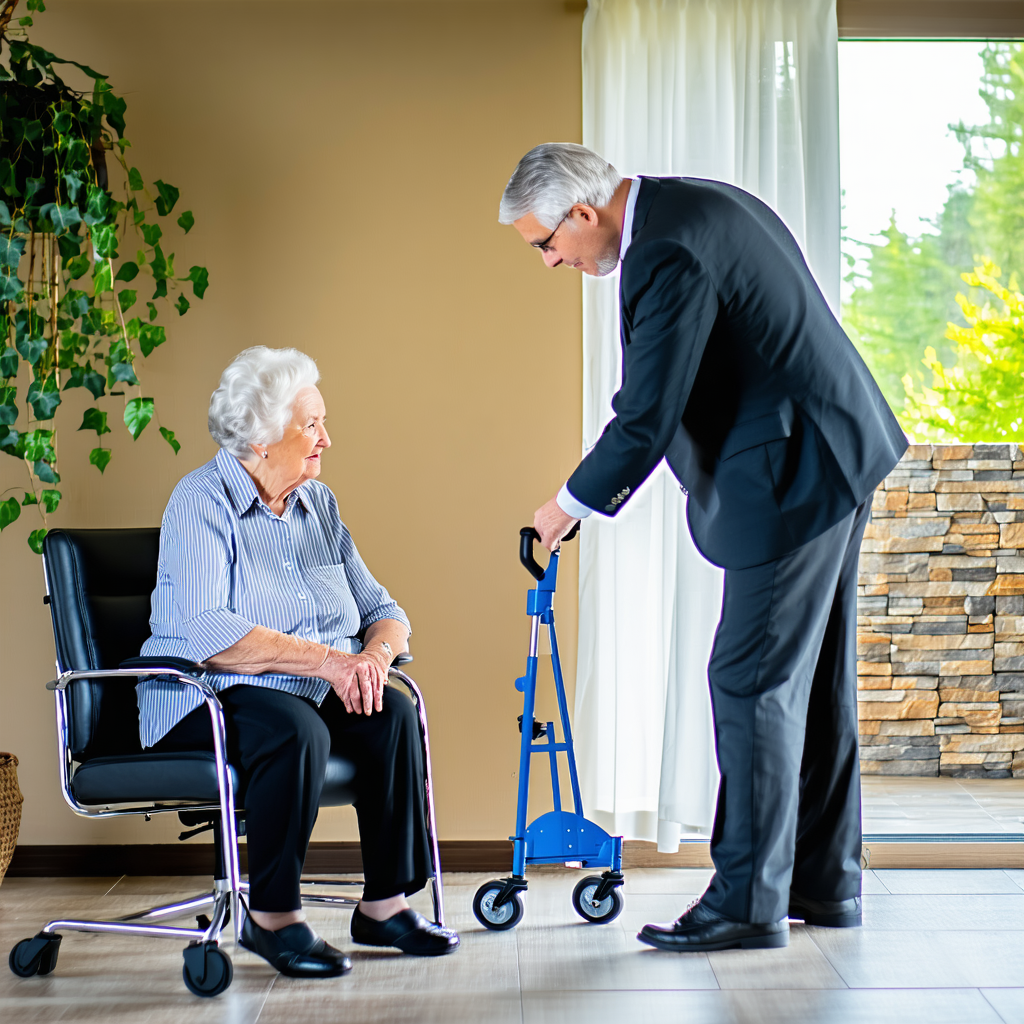
Fall prevention older adults is easier to understand when you break it into clear steps, realistic expectations, and small daily choices.
Fall Prevention Older Adults: What Matters Most
Fall prevention for older adults – a quick answer first
Fall prevention for older adults comes down to a combination of targeted exercise, a safer home environment, and regular health check-ins that address the root causes of instability. Most falls are not random accidents – they are predictable, and a large share of them are preventable with the right habits in place. I have found that starting with even one or two changes can make a meaningful difference in daily confidence and steadiness.
Table of contents
- Why falls happen – and why they matter
- Key risk factors every older adult should know
- Exercise strategies for fall prevention in older adults
- Home safety modifications that reduce fall risk
- Medications, vision, and health conditions
- Nutrition and bone health
- Assistive devices and footwear
- Community programs and professional support
- Building a personal fall prevention action plan
- Frequently asked questions
Why falls happen – and why they matter
Falls are the leading cause of injury-related emergency room visits among adults aged 65 and older, according to the Centers for Disease Control and Prevention. Each year, roughly one in four older adults experiences a fall, and the consequences range from minor bruising to serious fractures and long hospital stays.
Beyond the physical injury, falls carry a psychological weight. Many people develop a fear of falling again, which leads to reduced activity, weaker muscles, and – ironically – an even higher fall risk. Breaking that cycle is one of the most important goals of fall prevention for older adults.
I remember watching my grandmother become more and more hesitant to walk to the end of her garden after a minor slip on wet grass. She had not broken anything, but the fear quietly shrank her world. It took a few weeks of gentle balance work with a physical therapist before she felt like herself again. That experience stuck with me and shaped how I think about this topic.
Key risk factors every older adult should know
Understanding your personal risk profile is the starting point for effective fall prevention for older adults. Risk factors tend to cluster, meaning having two or three of them raises danger far more than having just one.
Physical risk factors
- Muscle weakness – particularly in the legs and core
- Balance and gait problems – unsteady walking patterns that develop gradually
- Reduced flexibility – stiff joints that limit your ability to correct a stumble
- Slow reaction time – a natural part of aging that affects how quickly you can catch yourself
- Low blood pressure on standing – known as orthostatic hypotension, which causes brief dizziness
Environmental risk factors
- Loose rugs and clutter on floors
- Poor lighting, especially on stairs and in hallways
- Slippery bathroom surfaces without grab bars
- Uneven outdoor surfaces and steps without handrails
- Pets that weave underfoot unexpectedly
Medical and lifestyle risk factors
- Taking four or more medications simultaneously
- Uncorrected vision problems
- Conditions such as Parkinson’s disease, arthritis, or peripheral neuropathy
- Low vitamin D levels
- Inadequate sleep, which impairs coordination and alertness
The more of these factors apply to you or a loved one, the more urgency there is to act. Fall prevention for older adults is most effective when it addresses multiple risk factors at once rather than focusing on just one.
Exercise strategies for fall prevention in older adults
Exercise is the single most well-supported intervention for fall prevention in older adults. Research consistently shows that programs combining balance training, strength work, and functional movement reduce fall rates significantly. The good news is that you do not need a gym membership or complicated equipment to get started.
Balance training
Balance exercises challenge your body’s ability to maintain a stable position, which directly addresses one of the most common causes of falls. Tai chi is one of the most studied approaches and has been shown in multiple trials to reduce falls among older adults. Other effective options include standing on one foot near a sturdy chair, tandem walking (heel-to-toe along a line), and simple weight-shifting exercises.
I have found that doing five minutes of balance work while waiting for the kettle to boil is a surprisingly easy way to build consistency. Small, habit-stacked sessions add up quickly over a week.
Strength training
Weak leg muscles are a primary contributor to falls. Squats, sit-to-stand exercises from a chair, calf raises, and resistance band work all help rebuild the strength needed for stable movement. Aiming for two sessions per week is a reasonable and evidence-supported starting point.
Strength training for fall prevention in older adults does not need to be intense. Body-weight exercises done with good form and gradual progression are effective and far safer than pushing too hard too soon.
Flexibility and mobility work
Tight hips, ankles, and calves reduce your ability to recover from a stumble. Gentle stretching after exercise, yoga adapted for older adults, and regular walking all contribute to maintaining the range of motion you need to move safely.
Aerobic activity
Walking, swimming, and cycling support cardiovascular health, help manage body weight, and improve overall stamina – all of which contribute indirectly to fall prevention for older adults. Aim for at least 150 minutes of moderate activity per week, broken into manageable sessions.
A simple comparison of exercise types for fall risk
- Tai chi – excellent for balance, coordination, and mental focus; low injury risk
- Resistance training – best for building leg and core strength; moderate intensity needed
- Yoga (adapted) – good for flexibility, body awareness, and breath control
- Walking programs – accessible and broadly beneficial; less targeted for balance
- Water aerobics – joint-friendly; supports strength and cardiovascular fitness
Home safety modifications that reduce fall risk
The home is where most falls among older adults occur. A structured home safety assessment – whether done by a professional or with a checklist – is one of the highest-value steps in fall prevention for older adults.
Bathroom modifications
The bathroom is a high-risk zone because of wet surfaces and the need to step in and out of tubs or showers. Installing grab bars beside the toilet and inside the shower or tub significantly reduces risk. A non-slip mat inside the shower and a bath chair or bench can also make a meaningful difference.
Many people delay these modifications because they feel they signal a loss of independence. In my experience, framing them as practical upgrades – the same way you would install better lighting – removes much of the psychological resistance.
Flooring and clutter
Loose rugs are among the most common tripping hazards in any home. Either securing them with non-slip backing and tape or removing them entirely is a simple and effective change. Keeping pathways clear of electrical cords, boxes, and other clutter is equally important.
Hardwood and tile floors are slippery in socks. Wearing footwear with grip inside the home – more on that in a later section – is a complementary step.
Lighting
Poor lighting is a straightforward but frequently overlooked contributor to falls. Adding night lights along the path from the bedroom to the bathroom, installing motion-activated lights in hallways, and ensuring stairwells are well lit are all low-cost, high-impact changes.
Stairs and entryways
Handrails on both sides of every staircase provide a secure grip during ascent and descent. Outdoor steps should be kept clear of leaves, ice, and other debris. A small ramp or threshold ramp at doorways can eliminate trip hazards from uneven transitions.
Furniture and layout
Furniture should be arranged so that there are clear, wide pathways through every room. Chairs and sofas need to be at a height that allows easy sitting and rising – low, soft furniture is a common challenge for older adults with weak legs or hip problems.
Medications, vision, and health conditions
Several medical factors significantly increase fall risk, and addressing them is a core component of fall prevention for older adults that is sometimes overlooked in favor of more visible interventions like exercise.
Medication review
Certain medications – including sedatives, sleep aids, blood pressure drugs, antidepressants, and antihistamines – can cause dizziness, drowsiness, or drops in blood pressure that raise fall risk. Taking four or more medications at once (polypharmacy) compounds these effects.
Asking your doctor or pharmacist for a medication review at least once a year is a practical step. Some people find that adjusting doses, switching to a different drug, or discontinuing medications that are no longer necessary leads to noticeable improvements in steadiness and alertness.
Vision checks
Uncorrected vision problems make it harder to judge distances, see obstacles, and detect changes in surface level. An annual eye exam – and actually wearing updated glasses or contact lenses – is an easy and often undervalued part of fall prevention for older adults.
Bifocals and progressive lenses can distort depth perception on stairs. Some eye specialists recommend single-vision glasses for walking and stair use if bifocals are causing problems.
Foot health
Foot pain, bunions, and reduced sensation in the feet (often from diabetes or peripheral neuropathy) all affect gait and stability. Regular podiatry visits and prompt attention to any foot discomfort can prevent these issues from quietly worsening.
Chronic conditions
Conditions like Parkinson’s disease, stroke, arthritis, and diabetes each carry specific fall-related risks. Working with a specialist to manage these conditions well – including physical therapy tailored to the condition – is an important layer of fall prevention for older adults with complex health histories.
Nutrition and bone health
Nutrition plays a supporting role in fall prevention for older adults in two distinct ways: keeping muscles strong and keeping bones resilient enough to withstand the impact of a fall if one does occur.
Protein intake
Adequate protein supports muscle maintenance, which becomes more challenging with age due to a process called sarcopenia – the gradual loss of muscle mass. Many older adults eat less protein than they need. Including a source of protein at each meal – eggs, fish, poultry, legumes, dairy, or quality protein supplements – may support muscle strength over time.
Vitamin D and calcium
Vitamin D supports both muscle function and bone density. Low vitamin D levels are common among older adults, particularly those who spend limited time outdoors. Some people find that supplementing with vitamin D – after checking levels with a blood test – may support balance and bone health.
Calcium works alongside vitamin D to maintain bone density. Dairy products, fortified plant milks, leafy greens, and canned fish with bones are good dietary sources. A doctor or dietitian can help determine whether a supplement is appropriate.
Hydration
Dehydration can cause dizziness and confusion, both of which raise fall risk. Older adults often have a reduced sense of thirst, making it easy to become mildly dehydrated without realizing it. Keeping a water bottle visible and drinking regularly throughout the day is a simple habit worth building.
Assistive devices and footwear
The right equipment can make a significant difference in fall prevention for older adults, and there is no reason to wait until a fall has already happened to consider these options.
Canes and walkers
A properly fitted cane or walker provides an additional point of contact with the ground, which substantially improves stability. The key word is “properly fitted” – a cane that is too tall or too short actually increases risk. A physical therapist can recommend the right device and teach correct technique.
Many people resist using a cane because of how it looks. It helps to reframe it as a tool that enables independence rather than one that signals dependency – because that is exactly what it is.
Footwear
Shoes and slippers with thin, firm, non-slip soles and a low heel provide a much more stable base than soft-soled slippers, high heels, or walking in socks. Shoes should fit well and fasten securely – slip-on styles that are slightly too large are a common hazard.
Many fall prevention for older adults programs specifically address footwear because it is such a simple, immediate change. Replacing worn-out shoes and avoiding footwear with thick, soft soles that reduce ground feedback are both worth acting on quickly.
Personal alert systems
Wearable alert devices allow a person who has fallen and cannot get up to call for help quickly. While they do not prevent falls, they reduce the harm that comes from lying on the floor for an extended period – which is itself a serious health risk. Modern devices are discreet and increasingly sophisticated, with some offering automatic fall detection.
Community programs and professional support
Individual effort matters, but structured programs and professional guidance amplify the results of fall prevention for older adults considerably.
Evidence-based programs
Programs like Stepping On, Tai Ji Quan: Moving for Better Balance, and A Matter of Balance have been tested in research settings and shown to reduce fall rates. Many are available through community centers, senior centers, hospitals, and YMCAs. They also offer social connection, which supports motivation and mental health.
Physical therapy
A physical therapist can conduct a formal gait and balance assessment, identify specific weaknesses, and design a personalized exercise program. This is especially valuable after a fall, after a hospitalization, or when managing a condition that affects movement. Many people are surprised by how much targeted PT can change their confidence and steadiness in just a few weeks.
Occupational therapy
An occupational therapist can conduct a home visit and identify fall hazards that are easy to miss when you live with them every day. They can also recommend adaptive equipment and strategies for performing daily tasks more safely. This is one of the most underutilized resources in fall prevention for older adults.
Primary care involvement
Raising fall risk with your primary care doctor – even if you have not fallen yet – opens the door to medication reviews, referrals, and screening tools like the Timed Up and Go test. Many clinical guidelines recommend that doctors screen older adults for fall risk at annual visits, but it helps to bring it up yourself if it is not addressed.
Building a personal fall prevention action plan
Fall prevention for older adults works best when it is treated as an ongoing, personalized plan rather than a one-time checklist. Here is a practical framework for getting started.
Step 1 – Assess your current risk
Use a validated tool like the Stay Independent brochure from the CDC, or ask your doctor to conduct a fall risk assessment. Identify which risk factors apply to you and rank them by how addressable they are.
Step 2 – Start with two or three changes
Trying to overhaul everything at once leads to overwhelm and inaction. Choose two or three high-impact changes – perhaps removing loose rugs, starting a balance exercise twice a week, and scheduling an eye exam – and build from there.
Step 3 – Build exercise into your routine
Link balance and strength exercises to an existing habit so they are easier to maintain. After morning coffee, before a favorite TV program, or during a regular walk are all good anchors. Consistency matters far more than intensity at the start.
Step 4 – Schedule regular reviews
Your risk profile changes over time. A new medication, a change in vision, a minor illness that reduces activity for a week – all of these shift the picture. Reviewing your fall prevention plan every six months, or after any significant health change, keeps it relevant.
Step 5 – Involve your support network
Family members, friends, and caregivers can help spot hazards, encourage exercise habits, and respond quickly if a fall does occur. Sharing your plan with people close to you also makes it more likely to stick.
Quick-reference action checklist
- Schedule a fall risk assessment with your doctor
- Book an eye exam if it has been more than a year
- Request a medication review from your doctor or pharmacist
- Walk through your home and remove or secure loose rugs
- Install grab bars in the bathroom and night lights in hallways
- Start a balance exercise program – even five minutes daily helps
- Check that your footwear has firm, non-slip soles
- Ask about community fall prevention programs in your area
- Consider a personal alert device if you live alone
- Ensure you are eating enough protein and discuss vitamin D with your doctor
Frequently asked questions
What is the most effective single intervention for fall prevention in older adults?
Exercise – particularly programs that combine balance training and strength work – has the strongest and most consistent evidence behind it. Tai chi is one of the best-studied options and has been shown to meaningfully reduce fall rates. That said, fall prevention for older adults is most effective when exercise is combined with home safety changes and medical risk factor management rather than used alone.
At what age should someone start thinking about fall prevention?
Most clinical guidelines focus on adults aged 65 and older, but the habits that support fall prevention – regular exercise, good nutrition, adequate sleep, and vision care – are worth building well before that. Starting in your 50s means you enter later life with stronger muscles, better balance, and safer habits already in place.
How can I talk to a parent or older relative about fall risk without offending them?
Frame the conversation around independence rather than limitation. Something like “I want to make sure you can keep doing everything you love safely” tends to land better than focusing on the danger of falls. Sharing specific, practical steps – rather than general worry – also helps. Asking them to walk through the home with you and look at it together can make the conversation feel collaborative rather than critical.
Are fall prevention programs covered by Medicare or insurance?
In the United States, Medicare covers physical therapy and some occupational therapy services related to fall risk. Some Medicare Advantage plans cover evidence-based fall prevention programs directly. Coverage varies, so it is worth calling your plan and asking specifically about fall prevention benefits. Many community programs are also offered at low or no cost through senior centers and health departments.
What should I do immediately after a fall?
If you are not injured and feel safe to move, roll to your side, rest briefly, and then push yourself up slowly using a sturdy piece of furniture for support. If you are injured, in pain, or unable to get up, stay as comfortable as possible and call for help or use a personal alert device. After any fall, it is important to tell your doctor even if you feel fine – a fall is a signal worth investigating as part of your ongoing fall prevention for older adults plan.
Does fear of falling make the problem worse?
Yes, and this is one of the more challenging aspects of fall prevention for older adults. Fear of falling leads many people to move less, which weakens muscles and reduces balance – creating a cycle that raises actual fall risk. Cognitive behavioral approaches, structured exercise programs, and gradual exposure to activities that feel scary (with appropriate support) can all help break this cycle. A Matter of Balance is a community program specifically designed to address fall-related fear.
Can technology help with fall prevention for older adults?
Technology plays a growing role. Wearable sensors can detect changes in gait that signal rising fall risk before a fall occurs. Smart home devices can automate lighting and alert caregivers. Personal emergency response systems have become more discreet and capable. While technology is not a substitute for exercise and home modifications, it adds a useful layer – especially for older adults who live alone or whose families live at a distance.
For more practical wellness ideas, browse the Health Living Today guide library.