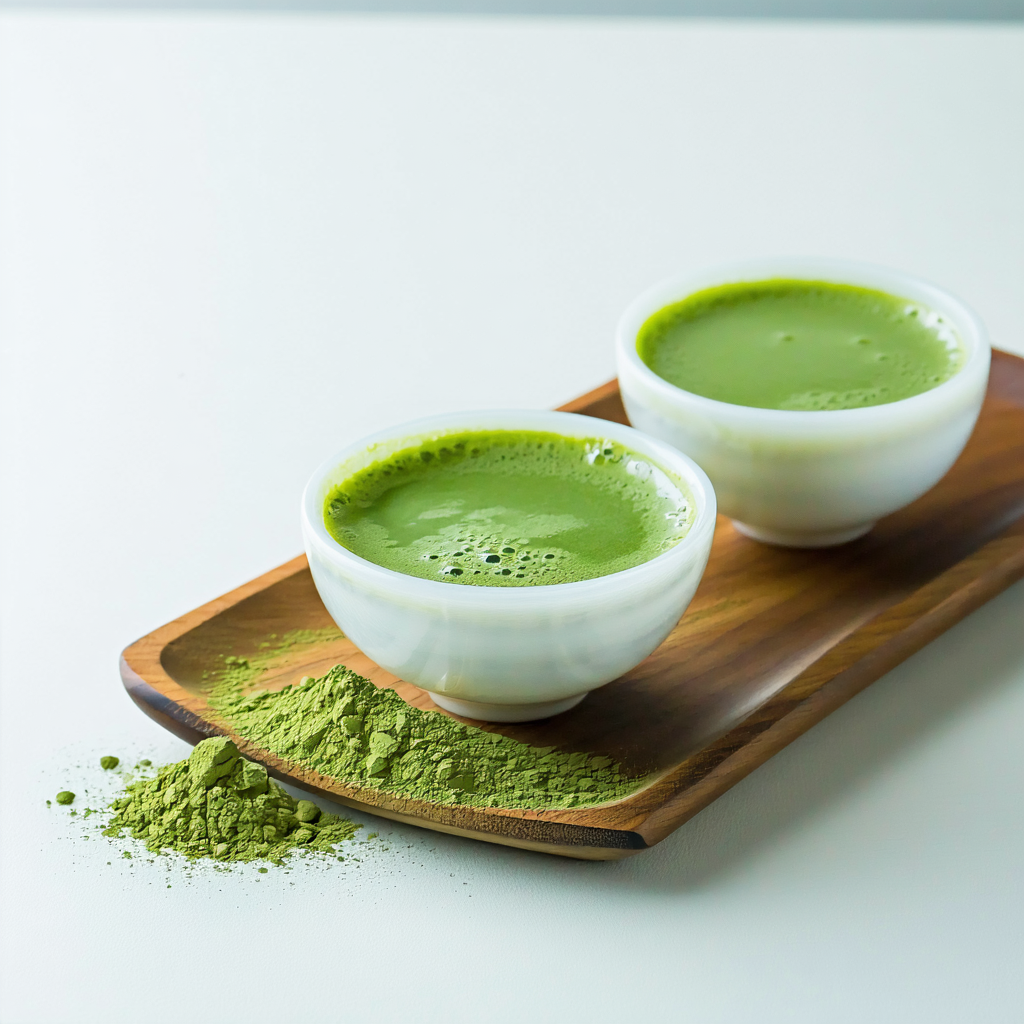
How matcha l theanine focus works – and why it matters
Matcha l theanine focus is real, measurable, and backed by a growing body of human research: the amino acid L-theanine in matcha works alongside caffeine to sharpen attention without the jittery edge that plain coffee can bring. I have found that swapping my morning coffee for a bowl of matcha gave me noticeably steadier concentration through the first half of my workday. If you want to understand exactly how this combination works, how much to drink, and how to build it into a practical routine, this guide covers all of it.
Table of contents
- What is L-theanine and where does it come from in matcha
- How the caffeine and L-theanine combination supports focus
- Matcha vs other L-theanine sources for focus
- How much matcha do you need for a meaningful L-theanine focus effect
- Timing your matcha for peak cognitive performance
- Choosing a quality matcha that delivers real L-theanine
- Building a matcha l theanine focus routine that sticks
- Supporting habits that amplify matcha l theanine focus
- Who should be cautious with matcha and L-theanine
- Frequently asked questions
What is L-theanine and where does it come from in matcha
L-theanine is a naturally occurring amino acid found almost exclusively in the leaves of the tea plant Camellia sinensis and in certain mushrooms. Matcha contains some of the highest concentrations of L-theanine of any tea product because of the way it is grown and processed.
In the weeks before harvest, matcha tea plants are shaded from direct sunlight. This shading slows photosynthesis and causes the plant to accumulate more L-theanine in its leaves rather than converting it into catechins. When you drink matcha, you consume the entire ground leaf, so you get far more L-theanine than you would from steeped green tea made with the same leaves.
Research published by the National Institutes of Health indicates that a single serving of matcha can deliver between 19 mg and 46 mg of L-theanine depending on grade, preparation, and serving size. That range matters when you are thinking about matcha l theanine focus as a practical tool rather than a vague wellness concept.
How the caffeine and L-theanine combination supports focus
The real story behind matcha l theanine focus is not just L-theanine alone – it is the synergy between L-theanine and caffeine. Matcha contains both, and the two compounds interact in ways that neither produces on its own.
What caffeine does on its own
Caffeine blocks adenosine receptors in the brain, which reduces the feeling of tiredness and increases the release of dopamine and norepinephrine. This raises alertness and reaction speed. However, caffeine alone can also raise cortisol, increase heart rate, and produce the familiar anxious, scattered feeling that some people call the “coffee jitters.”
For matcha l theanine focus to work well, you need caffeine to be present – but moderated. That is exactly what L-theanine does.
What L-theanine adds to the picture
L-theanine crosses the blood-brain barrier and promotes the production of alpha brain waves – the same relaxed-but-alert state associated with light meditation. It also raises levels of GABA, serotonin, and dopamine, which contributes to a calm, focused mood.
Crucially, L-theanine appears to blunt the stimulant side effects of caffeine – reducing jitteriness and the post-caffeine crash – while preserving and even amplifying the attention-sharpening benefits. Several controlled trials have found that the caffeine-plus-L-theanine combination improves speed and accuracy on demanding cognitive tasks more than caffeine alone.
The ratio that matters for matcha l theanine focus
Most research on matcha l theanine focus uses a caffeine-to-L-theanine ratio of roughly 1:2 – meaning twice as much L-theanine as caffeine. A standard 2 g serving of ceremonial-grade matcha delivers approximately 60-70 mg of caffeine and 30-45 mg of L-theanine. That is closer to a 2:1 ratio, which is still effective for many people, though some practitioners suggest using a slightly larger scoop or a second serving to bring the ratio closer to 1:2.
In my own routine, I use a rounded teaspoon (about 2.5 g) whisked into 80 ml of water at around 75°C. That small adjustment made a noticeable difference in how smooth and sustained my matcha l theanine focus felt through the morning.
Matcha vs other L-theanine sources for focus
You can get L-theanine from supplements, regular green tea, and matcha. Each has trade-offs worth knowing.
- Matcha – highest L-theanine per serving of any tea form, plus natural caffeine for synergy, plus antioxidants (EGCG). Requires preparation time.
- Brewed green tea – lower L-theanine (about 6-11 mg per cup) because you discard the leaf. Still useful but less potent for matcha l theanine focus goals.
- L-theanine supplements – precise dosing (100-200 mg capsules are common), no caffeine included, convenient. Lacks the full phytochemical profile of whole-leaf matcha.
- Black tea – contains L-theanine but in smaller amounts, and the higher caffeine content can offset the calming effect.
- White tea – lower caffeine and moderate L-theanine, gentle option but less studied for focus specifically.
For people who want matcha l theanine focus as a daily cognitive tool, whole matcha is generally the most practical and evidence-supported choice because it delivers L-theanine, caffeine, and EGCG together in one drink.
How much matcha do you need for a meaningful L-theanine focus effect
Most of the human studies that show cognitive benefits from matcha l theanine focus use between 1 g and 4 g of matcha per serving. A standard serving is 1-2 g (roughly half to one teaspoon) whisked in hot water.
I have found that 2-2.5 g is a useful starting point. Below 1 g, the L-theanine content may be too low to produce a noticeable calming-focus effect. Above 4 g per serving, the caffeine load can become counterproductive for people who are sensitive to stimulants.
One to two servings per day appears to be the sweet spot that most people report for sustaining matcha l theanine focus without disrupting sleep. Drinking matcha after 2 pm can push caffeine into the evening and fragment sleep quality, which then undermines the very focus you are trying to support.
Timing your matcha for peak cognitive performance
Timing is one of the most underrated variables in matcha l theanine focus. When you drink matcha matters almost as much as how much you drink.
Morning window – 60 to 90 minutes after waking
Cortisol naturally peaks in the first 30-45 minutes after waking. Layering caffeine on top of this cortisol peak can amplify anxiety and reduce the net calming effect of L-theanine. Waiting 60-90 minutes before your first matcha allows cortisol to begin its natural decline, so the caffeine-L-theanine combination lands on a more stable hormonal baseline.
This is the window where I personally notice the clearest matcha l theanine focus effect – a calm, directed alertness that feels qualitatively different from a rushed first-thing-in-the-morning coffee.
Pre-task window – 20 to 30 minutes before demanding work
L-theanine reaches peak plasma levels roughly 30-60 minutes after ingestion, and caffeine peaks at 45-90 minutes. Drinking matcha about 20-30 minutes before a focused work session means both compounds are near their peak when you need them most.
Afternoon window – use with caution
A second serving between 12 pm and 1 pm can extend matcha l theanine focus into the early afternoon without significantly affecting sleep for most people. After 2 pm, the caffeine half-life (approximately 5-6 hours) means measurable caffeine will still be in your system at 8 pm, which can reduce slow-wave sleep even if you feel like you fall asleep easily.
Choosing a quality matcha that delivers real L-theanine
Not all matcha is equal when it comes to matcha l theanine focus. The grade, origin, and processing method all affect L-theanine content.
Grade and shading
Ceremonial-grade matcha comes from the youngest, most shaded leaves – the ones with the highest L-theanine accumulation. Culinary-grade matcha uses older leaves with less shading, so L-theanine content is lower and bitterness is higher. For a daily matcha l theanine focus practice, ceremonial or “premium” grade is worth the extra cost.
Origin signals
Uji (Kyoto prefecture) and Nishio (Aichi prefecture) in Japan are the most respected matcha-producing regions. Matcha from these areas is typically shade-grown for 20-30 days before harvest, which maximizes L-theanine. Chinese matcha is generally not shade-grown in the same way, which means lower L-theanine levels and a different flavor profile.
Color and freshness
High-L-theanine matcha is a vivid, deep green. Dull, yellowish, or brownish powder suggests oxidation or poor quality, which correlates with lower amino acid and antioxidant content. Buy in small quantities (30-40 g tins) and store in an airtight container away from light and heat.
Third-party testing
Some matcha brands now publish third-party lab results showing L-theanine content per gram. If matcha l theanine focus is a specific goal rather than just a pleasant drink, choosing a brand that is transparent about amino acid content gives you more confidence that you are getting an effective dose.
Building a matcha l theanine focus routine that sticks
The best matcha l theanine focus routine is the one you will actually maintain. Complexity is the enemy of consistency, so I recommend starting with the simplest possible version and adding layers only when the basics are automatic.
Week 1 – establish the habit anchor
Pick one consistent time each day – I suggest 60-90 minutes after waking – and prepare a single 2 g serving of matcha. Whisk it in hot water (70-80°C, not boiling) and drink it before you open email or social media. The goal in week one is not optimization, it is repetition.
Week 2 – pair matcha with your focus block
Once the morning matcha is automatic, start timing it 20-30 minutes before your most cognitively demanding task of the day. This is where matcha l theanine focus shifts from a pleasant ritual to a deliberate cognitive tool. Notice whether attention feels more sustained, whether task-switching feels less effortful, and whether the afternoon slump is less severe.
Week 3 – refine your dose and ratio
If week two felt good but you still notice some jitteriness, try reducing to 1.5 g and see whether the L-theanine-to-caffeine ratio feels more balanced. If the effect felt too mild, increase to 2.5 g. Small adjustments matter more than people expect because individual caffeine metabolism varies significantly based on genetics (CYP1A2 enzyme activity).
Week 4 – evaluate and iterate
After a month of consistent use, you have enough personal data to judge whether matcha l theanine focus is genuinely supporting your work. Some people find the effect strongest on days with adequate sleep and moderate stress. Others notice that the benefit plateaus if they drink matcha every single day, and rotating in caffeine-free days helps reset sensitivity.
Supporting habits that amplify matcha l theanine focus
Matcha l theanine focus does not operate in isolation. Several lifestyle factors either amplify or undercut the cognitive benefits you are trying to build.
Sleep quality
L-theanine has been studied for its potential to improve sleep quality – some research suggests it may support relaxation before bed even in the absence of caffeine. However, if your matcha consumption is pushing caffeine into the evening and disrupting sleep, you are undermining the foundational condition for any form of cognitive performance. Sleep is non-negotiable for focus, and matcha l theanine focus works best on a well-rested brain.
Hydration
Mild dehydration – as little as 1-2% of body weight – measurably impairs attention and working memory. Matcha is a mild diuretic. Drinking a glass of water alongside or before your matcha maintains the hydration baseline that matcha l theanine focus depends on.
Protein at breakfast
L-theanine is an amino acid and competes with other amino acids for transport across the blood-brain barrier. Some nutritionists suggest that taking matcha in a fasted or low-protein state may allow slightly better L-theanine uptake, though the evidence here is preliminary. I drink my morning matcha before breakfast and find that the focus effect feels cleaner that way – though this is personal observation, not a firm recommendation.
Reducing background stimulant load
If you are drinking multiple coffees, energy drinks, and matcha in the same day, the cumulative caffeine load can overwhelm the calming effect of L-theanine regardless of how much matcha you drink. For matcha l theanine focus to work as intended, it helps to reduce other caffeine sources so matcha becomes your primary or sole stimulant input.
Single-tasking during your focus window
No amount of matcha l theanine focus will compensate for a fragmented environment full of notifications. The calm alertness that L-theanine and caffeine produce is a physiological readiness for focus – you still need to remove the environmental obstacles that prevent deep work. Closing unnecessary browser tabs and silencing notifications during your matcha-supported focus block dramatically amplifies the practical benefit.
Who should be cautious with matcha and L-theanine
Matcha is a food, and L-theanine has a strong safety profile in the research literature. That said, some situations call for extra care.
- Caffeine sensitivity – People who are genetically slow caffeine metabolizers may find that even one matcha serving produces anxiety or disrupts sleep. Starting with a half-serving (1 g) is a sensible approach.
- Pregnancy and breastfeeding – Caffeine intake is typically limited during pregnancy. Anyone who is pregnant should speak with a healthcare provider before using matcha as a daily focus tool.
- Iron absorption – The catechins in matcha can reduce non-heme iron absorption when consumed with iron-rich meals. People with iron deficiency may want to separate matcha from iron-rich foods by at least an hour.
- Anxiety disorders – While L-theanine may support calm focus, the caffeine in matcha can exacerbate anxiety in some individuals. If anxiety is already a concern, L-theanine supplements without caffeine may be a more appropriate tool.
- Medication interactions – Caffeine interacts with certain medications including stimulants, some antibiotics, and blood thinners. If you take regular medications, checking with a pharmacist about caffeine interactions is worthwhile.
None of these cautions are reasons to avoid matcha entirely for most healthy adults. They are simply factors worth knowing so you can make an informed decision about how matcha l theanine focus fits into your specific situation.
Frequently asked questions
How long does it take to feel the matcha l theanine focus effect?
Most people notice the effect within 30-60 minutes of drinking matcha, which aligns with the time it takes for both L-theanine and caffeine to reach peak plasma concentrations. The calm-alert feeling typically lasts 3-5 hours, gradually tapering rather than dropping off sharply the way a high-caffeine drink often does.
Is matcha l theanine focus better than coffee for concentration?
For many people, yes – not because matcha has more caffeine (it usually has less than a standard coffee), but because the L-theanine moderates the stimulant effect and produces a more sustained, less anxious form of alertness. Coffee may still win for raw alertness in the short term, but matcha l theanine focus tends to feel more compatible with deep, sustained cognitive work.
Can I get the same matcha l theanine focus effect from green tea bags?
You will get some benefit, but significantly less. Brewed green tea from bags delivers roughly 6-11 mg of L-theanine per cup compared to 19-46 mg in a serving of matcha. The lower dose may be noticeable but is unlikely to produce the same quality of calm focus that a well-prepared matcha does.
Does matcha l theanine focus work without caffeine sensitivity?
Yes. L-theanine produces alpha brain wave activity and promotes GABA regardless of whether you are caffeine-sensitive. People who are highly caffeine-tolerant may find the calming component of L-theanine more noticeable because caffeine’s stimulant effect is relatively muted for them. The combination still supports focus – it just feels different from person to person.
How does matcha l theanine focus compare to L-theanine supplements?
Supplements give you precise, consistent dosing – typically 100-200 mg per capsule – without any caffeine. This is useful if you want the relaxing-focus effect of L-theanine at night or if you are caffeine-sensitive. Matcha provides a lower, less predictable dose of L-theanine but pairs it with natural caffeine and a rich antioxidant profile. For daytime cognitive support, many people find the whole-matcha approach more effective because of the caffeine synergy.
Will I build a tolerance to matcha l theanine focus over time?
Tolerance to caffeine is well-documented and develops within days to weeks of consistent daily use. This means the alertness component of matcha l theanine focus may feel less pronounced over time. L-theanine tolerance is less studied but appears to be minimal. Rotating in caffeine-free days – even one or two per week – can help maintain sensitivity to the full matcha l theanine focus effect.
What is the best matcha to buy specifically for L-theanine and focus?
Look for ceremonial-grade matcha from Japan – ideally from Uji or Nishio – with a vivid green color and a harvest date within the past six months. Brands that publish third-party amino acid testing give you the most confidence that you are getting a meaningful L-theanine dose. Expect to pay more per gram than for culinary-grade matcha, but the difference in L-theanine content – and therefore the matcha l theanine focus benefit – is generally worth it.
Can children or teenagers use matcha for focus?
The caffeine in matcha makes it unsuitable for young children, and current guidance generally recommends limiting caffeine for teenagers as well. L-theanine supplements without caffeine may be a safer option for younger people, but this is a conversation to have with a pediatrician rather than a self-directed decision.
For more practical wellness ideas, browse the Health Living Today guide library.