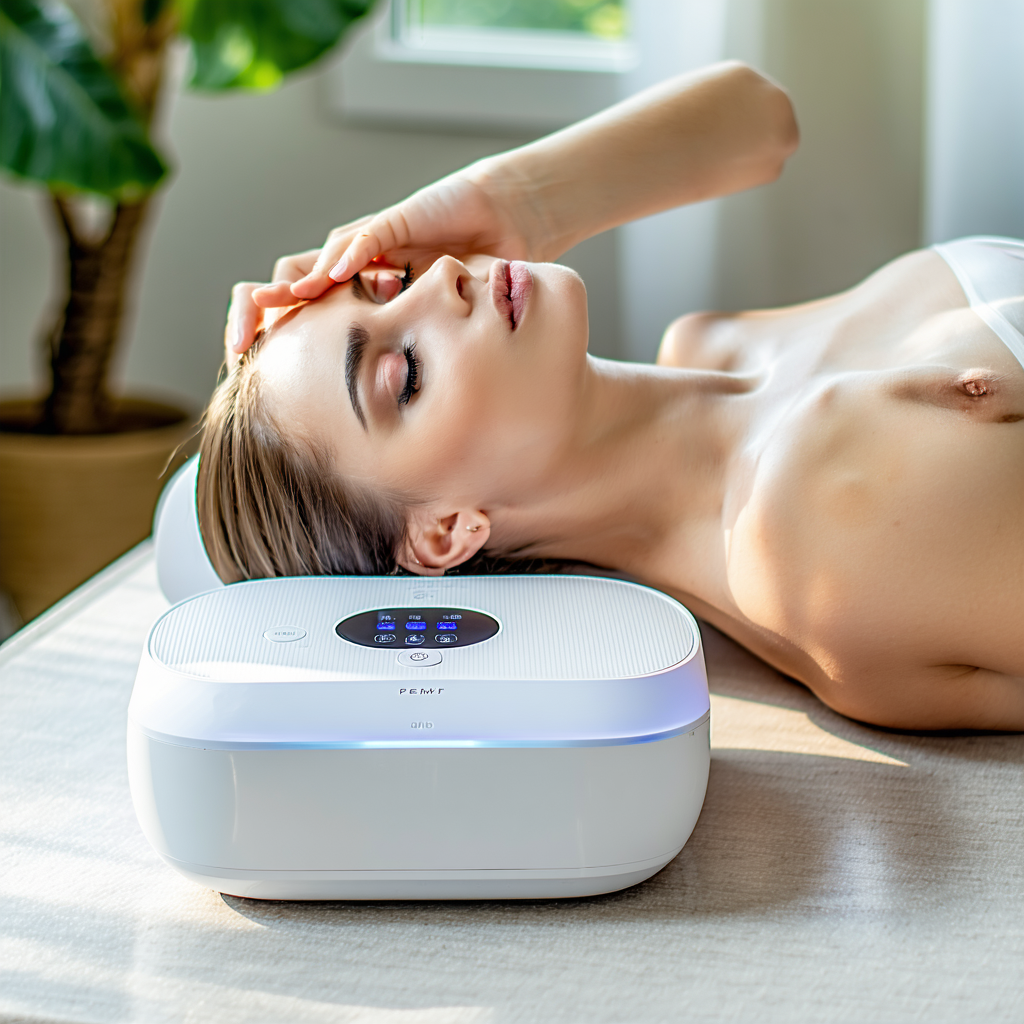
What is PEMF therapy – a quick answer
PEMF therapy, or pulsed electromagnetic field therapy, uses low-level electromagnetic pulses to pass through the body and interact with cells, with the goal of supporting recovery, reducing discomfort, and promoting overall wellness. Most research suggests it is safe for general use, and many people add it to an existing routine rather than replacing other habits. This pemf therapy overview covers everything from how the technology works to practical buying tips and realistic expectations.
Pemf Therapy Overview: What Matters Most
Table of contents
- How PEMF therapy works
- A brief history of electromagnetic therapy
- Potential benefits people report
- What the research actually shows
- Types of PEMF devices
- How to use a PEMF device in a daily routine
- Choosing the right device for you
- Safety considerations and who should avoid it
- My own experience with PEMF therapy
- PEMF vs. other wellness modalities
- Frequently asked questions
How PEMF therapy works
The basic science behind electromagnetic pulses
PEMF therapy works by generating brief, repetitive bursts of electromagnetic energy that pass through skin, muscle, and bone. These pulses mimic the natural electromagnetic fields the body already produces, which is part of why the technology is considered low-risk at the intensities used in consumer and clinical devices.
At the cellular level, the pulses are thought to influence ion channels – the tiny gateways that regulate what moves in and out of cells. When ion exchange is optimized, cells may handle oxygen, nutrients, and waste products more efficiently. This is the core mechanism that most pemf therapy overview resources point to when explaining why the modality attracts interest from athletes, people managing chronic discomfort, and general wellness users alike.
Frequency, intensity, and waveform
Three variables define any PEMF session: frequency (measured in hertz), intensity (measured in gauss or tesla), and waveform shape. Low-frequency settings, often in the 1-30 Hz range, are commonly associated with relaxation and sleep support. Higher frequencies, sometimes reaching several hundred hertz, are used in settings aimed at tissue recovery.
Intensity matters too. Clinical devices can reach intensities far above what a home mat delivers. Consumer devices typically stay well below 1 gauss, which is enough for general wellness but may differ meaningfully from the settings used in published clinical trials. Keeping this gap in mind helps set realistic expectations when reading any pemf therapy overview.
A brief history of electromagnetic therapy
Humans have experimented with electricity and magnetism as health tools for centuries. Early practitioners used static magnets and crude electrical devices long before anyone understood the underlying biology. The modern era of PEMF therapy is generally traced to the work of researchers in the 1970s and 1980s who studied whether pulsed fields could support bone healing.
The FDA cleared the first PEMF device for bone fracture healing in 1979, and that approval opened the door to broader clinical investigation. Since then, research has expanded into areas including cartilage, soft tissue, and nervous system function. Today, a pemf therapy overview would be incomplete without acknowledging that the technology spans both FDA-cleared medical devices and uncleared consumer wellness products – two categories with very different levels of regulatory scrutiny.
Potential benefits people report
Physical recovery and muscle comfort
One of the most common reasons people seek out a pemf therapy overview is curiosity about recovery. Athletes and active individuals often report that sessions after training may support muscle relaxation and reduce the feeling of soreness the following day. Some people find that regular use helps them feel more prepared for the next workout.
PEMF therapy may also support circulation in a gentle way. Improved microcirculation could help tissues receive oxygen and clear metabolic byproducts, though individual results vary considerably. This is not a substitute for rest, nutrition, and progressive training – it is more accurately described as a potential complement to those fundamentals.
Joint comfort and mobility
Joint-related applications are among the most studied areas in PEMF research. Several small trials have looked at knee osteoarthritis and reported modest improvements in comfort and function. People managing stiff joints sometimes add PEMF sessions to their morning routine and report that movement feels a little easier afterward.
It is worth noting that “modest” is the operative word in most joint studies. PEMF therapy is not a replacement for evidence-based interventions like physical therapy or appropriate medical treatment. It may serve as a useful addition to a broader plan.
Sleep and relaxation
Lower-frequency PEMF settings have attracted interest for sleep support. The idea is that frequencies near the brain’s natural delta and theta wave activity may help shift the nervous system toward a calmer state. Some people find that a short evening session – perhaps 10 to 20 minutes on a low-frequency mat – helps them wind down.
The research here is thinner than for bone and joint applications, but anecdotal reports are consistent enough that sleep support has become a standard selling point in most pemf therapy overview content from device manufacturers. Treat those claims with appropriate skepticism while remaining open to personal experimentation.
Mood and mental clarity
A smaller body of research has explored whether PEMF therapy may support mood and cognitive function. Some studies suggest that electromagnetic stimulation of certain brain regions may influence neurotransmitter activity, though this area is still early and findings are mixed. A few people in wellness communities report feeling more mentally clear after sessions, while others notice nothing beyond relaxation.
What the research actually shows
Strong evidence areas
The strongest evidence for PEMF therapy relates to bone healing. The FDA-cleared applications for fracture repair and spinal fusion support are backed by multiple controlled trials. This is the foundation on which the entire pemf therapy overview field rests, and it is genuinely solid science.
Cartilage and joint research is the next most developed area. A 2016 systematic review published in work indexed by the National Institutes of Health’s PubMed Central found that PEMF stimulation showed statistically significant effects on pain and function in knee osteoarthritis patients compared to sham treatment, though effect sizes were modest and study quality varied.
Areas needing more research
Sleep, mood, and general cellular wellness claims rest on much thinner evidence. Most studies in these areas are small, lack rigorous controls, or have not been replicated. That does not mean the effects are absent – it means we do not yet have enough high-quality data to draw firm conclusions.
Consumer pemf therapy overview guides often blend well-supported claims with speculative ones, which can make it hard to know what to expect. The honest answer is that for most non-bone applications, PEMF therapy may support wellness in ways that are real but difficult to quantify precisely.
Types of PEMF devices
Full-body mats
Full-body mats are the most popular consumer format. You lie on the mat – typically for 20 to 60 minutes – while the device pulses electromagnetic fields across your entire body. Mats are convenient for home use and allow simultaneous exposure to multiple body regions. They tend to operate at lower intensities than clinical devices.
Price range for full-body mats is wide. Entry-level options start around a few hundred dollars, while premium mats from established brands can exceed several thousand. Build quality, frequency range, intensity control, and included accessories account for much of the price difference.
Localized applicators and pads
Localized applicators – sometimes called paddles or pads – are designed to target a specific area like a knee, shoulder, or lower back. They are often included with mat systems or sold separately. For someone with a specific area of focus, a localized pad can deliver a more concentrated session without requiring a full-body setup.
Clinical and professional devices
Clinical PEMF devices operate at much higher intensities than consumer products and are typically found in physical therapy offices, sports medicine clinics, and some chiropractic practices. These devices may produce effects that consumer units cannot replicate. If you are considering PEMF therapy for a specific health concern, a few sessions with a professional device can give you a better sense of how your body responds before investing in home equipment.
Wearable PEMF devices
A newer category of wearable PEMF devices has emerged, including patches, wraps, and small clips designed for localized use during daily activities. These tend to operate at very low intensities and are aimed at convenience rather than intensity. Early user feedback is mixed, and independent research on wearables specifically is limited.
How to use a PEMF device in a daily routine
Starting out
Most pemf therapy overview guides recommend starting with short sessions – around 10 to 20 minutes – at lower intensities to see how your body responds. Some people feel a mild tingling or warmth during sessions; others feel nothing at all. Neither response is cause for concern.
Morning sessions are popular for people seeking an energizing effect, while evening sessions at lower frequencies suit those using PEMF therapy for relaxation or sleep preparation. There is no universal rule – experimenting with timing is part of finding what works for you.
Building a consistent habit
Consistency matters more than session length. A daily 15-minute session is likely to produce more noticeable results over time than occasional hour-long sessions. I have found that pairing PEMF use with an existing habit – like morning stretching or evening reading – makes it far easier to stay consistent.
Keep a simple log for the first few weeks. Note session length, frequency setting, and how you feel before and after. Patterns often emerge that help you refine your approach. This kind of self-tracking is a practical strategy that any thorough pemf therapy overview should encourage.
Hydration and post-session care
Drinking water before and after sessions is a commonly recommended practice. The reasoning is that improved cellular activity may increase the body’s demand for hydration. Whether this is strictly necessary is unclear, but staying well-hydrated is good practice regardless of whether you use PEMF therapy.
Choosing the right device for you
Key factors to evaluate
- Frequency range – Look for a device that covers at least 1-50 Hz for versatility across relaxation and recovery goals.
- Intensity control – Adjustable intensity lets you start low and increase as your body adapts.
- Waveform type – Sinusoidal and sawtooth waveforms are the most common; some devices offer multiple options.
- Session timer – Built-in timers prevent overuse and make routine sessions easier to manage.
- Warranty and customer support – PEMF devices are a meaningful investment; a solid warranty matters.
- Third-party testing – Some brands publish independent lab reports confirming their stated specifications.
Budget considerations
It is tempting to go straight for a premium device, but starting with a mid-range option makes sense if you are new to PEMF therapy. A device in the $400-$800 range from a reputable brand will give you a genuine experience of the modality without overcommitting. If you find consistent benefit after several months, upgrading is always an option.
Be cautious of very cheap devices that make bold claims. Devices priced under $100 often lack the build quality and specifications needed to deliver meaningful sessions, and some do not produce the fields they advertise.
Safety considerations and who should avoid it
General safety profile
PEMF therapy at consumer intensities has a strong general safety profile. Decades of clinical use and research have not produced evidence of significant harm from low-intensity pulsed fields in healthy individuals. Most people can use consumer devices without issue.
Mild side effects reported by a small number of users include temporary fatigue after initial sessions, mild headache, or a brief increase in discomfort in an area being targeted. These effects typically resolve within a day and often diminish as the body adapts over the first week or two of use.
Who should avoid or consult a doctor first
- People with implanted electronic devices – Pacemakers, cochlear implants, and spinal cord stimulators can potentially be affected by electromagnetic fields. Anyone with an implanted device should consult their physician before using PEMF therapy.
- Pregnant individuals – There is insufficient research on PEMF use during pregnancy; caution is warranted.
- People with active bleeding disorders or on blood thinners – PEMF therapy may influence circulation; medical guidance is advisable.
- Those with epilepsy – Electromagnetic stimulation has the potential to influence neural activity; professional consultation is important.
- Cancer patients – Some researchers have raised questions about whether electromagnetic fields could influence cell proliferation; anyone undergoing cancer treatment should speak with their oncologist.
My own experience with PEMF therapy
I started using a full-body PEMF mat about two years ago after a period of disrupted sleep following a demanding stretch of work travel. A colleague who had been using one for joint comfort mentioned it might help with relaxation, and I was curious enough to try a mid-range mat for a 90-day experiment.
The first two weeks were unremarkable – I felt relaxed during sessions but was not sure if that was the device or simply the act of lying still for 20 minutes. Around week three, I started noticing that I was falling asleep more easily on evenings when I had used the mat. By the end of the 90 days, my sleep logs showed a consistent improvement in how rested I felt in the morning.
I cannot say with certainty that the mat was the only variable – I had also stabilized my travel schedule during that period. But I have continued using it most evenings, and it has become a reliable part of my wind-down routine. That personal experience is what turned a casual pemf therapy overview interest into a genuine long-term habit.
PEMF vs. other wellness modalities
- PEMF vs. infrared sauna – Both aim to support recovery and relaxation, but through different mechanisms. Infrared sauna works primarily through heat; PEMF works through electromagnetic influence on cells. Some people use both and find them complementary. PEMF does not require the cardiovascular demand that sauna does, making it accessible to a wider range of people.
- PEMF vs. red light therapy – Red light therapy targets mitochondrial function through photobiomodulation. PEMF targets ion channel activity through electromagnetic fields. Both have emerging evidence bases. Red light therapy has a slightly larger body of human trials; PEMF has a longer history of clinical use for specific applications like bone healing.
- PEMF vs. transcutaneous electrical nerve stimulation (TENS) – TENS uses direct electrical current applied through skin electrodes primarily for pain modulation. PEMF uses pulsed fields that pass through the body without direct contact. TENS has more focused pain relief evidence; PEMF covers a broader range of potential applications.
- PEMF vs. ultrasound therapy – Therapeutic ultrasound uses sound waves to generate heat and mechanical effects in tissue. PEMF uses electromagnetic pulses. Both are used in physical therapy settings. Ultrasound is more established for acute soft tissue injury; PEMF has stronger evidence for bone and chronic joint applications.
- PEMF vs. massage therapy – Massage addresses physical tension through manual manipulation and has strong evidence for stress reduction and muscle comfort. PEMF is passive and requires no practitioner. Many people find value in using both – massage for acute tension and PEMF for ongoing maintenance.
Frequently asked questions
What does PEMF stand for?
PEMF stands for pulsed electromagnetic field. The “pulsed” part distinguishes it from static magnetic therapy – the fields turn on and off in rapid cycles rather than remaining constant. This pulsing action is considered important to the proposed mechanism of action at the cellular level.
How long does it take to notice results from PEMF therapy?
Results vary widely depending on what you are using PEMF therapy for, the device intensity, and individual factors. Some people report feeling more relaxed after a single session. For goals like improved sleep quality or joint comfort, most users report noticing consistent changes after two to four weeks of daily use. Bone healing applications in clinical settings typically involve longer treatment courses measured in weeks to months.
Can I use PEMF therapy every day?
Yes, daily use is common and is the approach most consistent with the research protocols that have shown positive results. Starting with one session per day and monitoring how you feel is a sensible approach. Some people eventually move to two shorter sessions – one in the morning and one in the evening – though one daily session is sufficient for most wellness goals.
Is PEMF therapy the same as magnetic therapy with static magnets?
No, they are different. Static magnet therapy uses fixed magnetic fields that do not change. PEMF therapy uses fields that pulse on and off at specific frequencies. The pulsing is considered a key part of how PEMF interacts with cells, and the research base for PEMF is considerably more developed than for static magnet therapy.
Are consumer PEMF devices as effective as clinical ones?
Consumer devices generally operate at lower intensities than clinical devices, which means the effects may be less pronounced. For general wellness goals – relaxation, sleep support, mild recovery – consumer devices appear to be sufficient for many users. For specific clinical applications like accelerated fracture healing, the higher-intensity devices used in professional settings are more appropriate and better supported by research.
Does insurance cover PEMF therapy?
In most cases, insurance does not cover consumer PEMF devices or wellness sessions. FDA-cleared PEMF devices prescribed by a physician for specific indications like bone fracture healing may qualify for coverage under some plans, but this varies. Checking directly with your insurance provider and asking your physician about documentation options is the best approach if coverage is a priority.
Can PEMF therapy interfere with medications?
PEMF therapy is not known to interact directly with medications in the way that drugs interact with each other. However, because PEMF may influence circulation and cellular activity, people on medications that affect blood clotting or those managing conditions where cellular changes are a concern should discuss PEMF use with their prescribing physician before starting.
What is the difference between low-field and high-field PEMF devices?
Low-field devices, which include most consumer mats and pads, operate at intensities typically below 1 gauss. High-field devices, used in clinical and research settings, can reach intensities of 1 tesla or more – many thousands of times stronger. The applications, safety profiles, and evidence bases for these two categories differ significantly. Most of what a standard pemf therapy overview covers for home users falls firmly in the low-field category.
For more practical wellness ideas, browse the Health Living Today guide library.