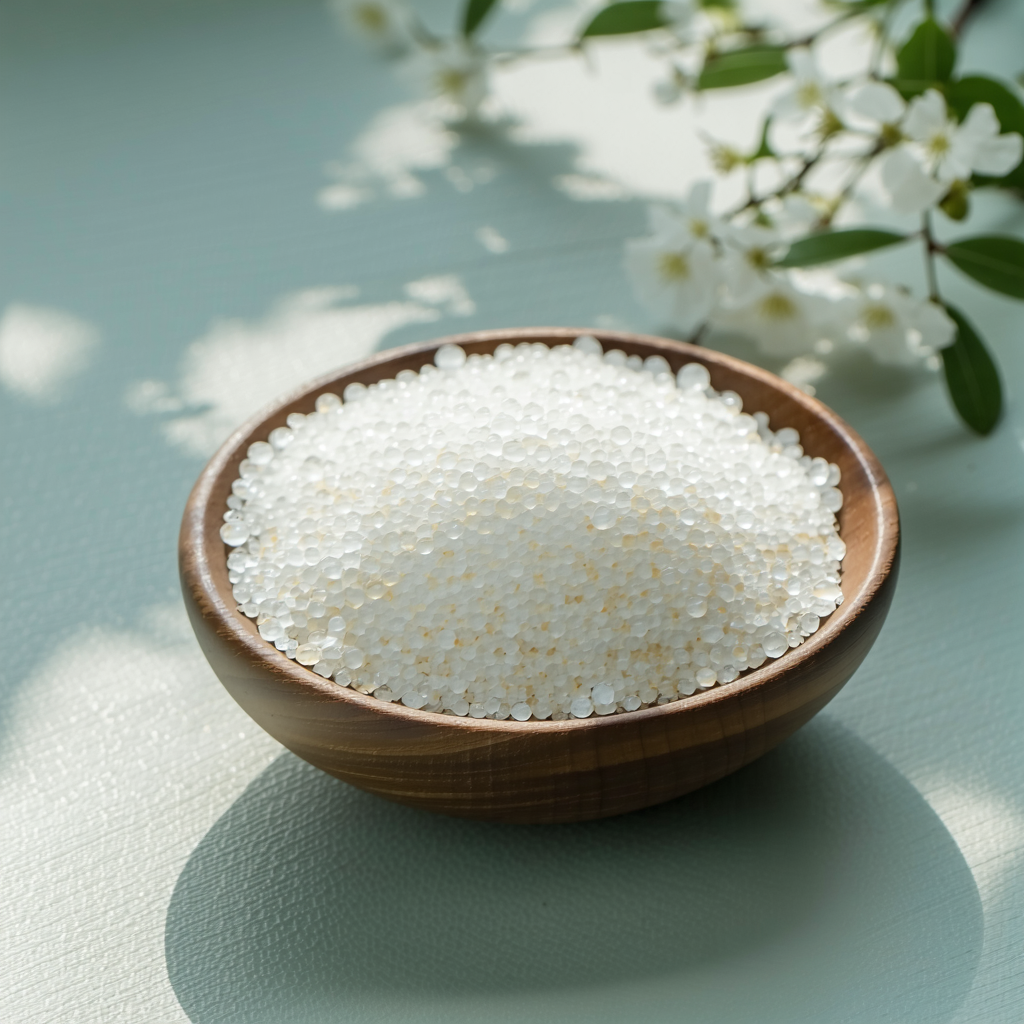
What you need to know about taking psyllium fiber daily
Taking psyllium fiber daily is one of the most practical, evidence-supported habits you can add to a wellness routine – it may support digestive regularity, healthy cholesterol levels, and steadier blood sugar, all from a single soluble fiber source. Most healthy adults can start with a small dose and work up gradually without major disruption to their day. The key is consistency, good hydration, and realistic expectations about the timeline.
Table of contents
- What psyllium fiber is and where it comes from
- Why taking psyllium fiber daily matters more than occasional use
- Potential benefits of daily psyllium fiber
- How much psyllium fiber daily is appropriate
- Best timing for your daily psyllium fiber dose
- Psyllium fiber forms compared – husk, powder, capsule
- Hydration and psyllium fiber daily use
- Side effects and how to avoid them
- Who should be careful with daily psyllium fiber
- Building psyllium fiber into your daily routine
- Frequently asked questions
What psyllium fiber is and where it comes from
Psyllium comes from the husks of Plantago ovata seeds, a plant grown mainly in India and parts of the Mediterranean. The outer husk is almost entirely soluble fiber, which means it absorbs water and forms a thick gel in the digestive tract.
That gel-forming action is what makes psyllium fiber different from most other fiber supplements. Insoluble fibers like wheat bran add bulk but pass through largely unchanged. Psyllium’s soluble gel slows digestion, softens stool, and creates a surface area that binds to cholesterol and glucose in the gut.
It is the active ingredient in well-known products like Metamucil, but you can also buy plain psyllium husk or psyllium husk powder with no additives, sweeteners, or artificial flavors. I have found that the plain husk version gives me more flexibility to mix it into foods without changing the flavor profile of a meal.
Why taking psyllium fiber daily matters more than occasional use
Occasional use of psyllium helps in a pinch, but the research consistently shows that the most meaningful benefits come from regular, daily psyllium fiber intake over weeks and months. A one-time dose can relieve an acute bout of constipation, but it will not move the needle on cholesterol or blood sugar in any lasting way.
The gut microbiome also responds better to consistent fiber intake. Some research suggests that a steady supply of fermentable fiber – including the fraction found in psyllium – may help support a more diverse microbial community. Diversity is associated with better overall gut health in observational studies.
From a practical standpoint, building psyllium fiber daily into a routine means you do not have to remember to take it reactively. It becomes a background habit, like brushing your teeth, rather than something you reach for when you already feel uncomfortable.
Potential benefits of daily psyllium fiber
Digestive regularity
This is the benefit most people associate with psyllium, and the evidence is solid. The gel that forms in the colon softens stool and adds bulk, which may support more predictable, comfortable bowel movements. Some people find it helps with both constipation and loose stools, because the gel acts as a normalizer rather than a pure laxative.
A review published in the American Journal of Clinical Nutrition found that psyllium supplementation significantly improved stool frequency and consistency compared with placebo in adults with chronic constipation. That is not a minor quality-of-life detail – regular elimination affects energy, bloating, and general comfort throughout the day.
Cholesterol and heart health
The FDA has authorized a health claim stating that soluble fiber from psyllium, as part of a diet low in saturated fat and cholesterol, may reduce the risk of heart disease. That is a meaningful regulatory threshold to clear.
The mechanism is fairly straightforward. The gel binds to bile acids in the small intestine. The body has to pull cholesterol from the bloodstream to make new bile acids, which lowers circulating LDL cholesterol over time. Studies typically show reductions of 5 to 10 percent in LDL with consistent psyllium fiber daily use, though individual results vary.
Blood sugar management
Soluble fiber slows the absorption of glucose from the small intestine. When you take psyllium fiber with or before a carbohydrate-containing meal, the gel slows the rate at which sugars enter the bloodstream. This may support steadier post-meal blood sugar levels.
Several clinical trials have looked at psyllium supplementation in people with type 2 diabetes. Results generally show modest but meaningful improvements in fasting blood glucose and hemoglobin A1c when psyllium is taken consistently alongside meals. It is not a replacement for prescribed management strategies, but it may be a useful complement.
Satiety and appetite
The gel that forms in the stomach takes up space and slows gastric emptying. Many people find that taking psyllium fiber daily before meals reduces how hungry they feel during and after eating. I noticed this myself – a glass of psyllium mixed in water about 20 minutes before lunch made a noticeable difference in how satisfied I felt by mid-afternoon.
This is not a dramatic appetite suppressant, but the cumulative effect over weeks can support more mindful eating patterns without any sense of restriction or deprivation.
How much psyllium fiber daily is appropriate
Most research uses doses in the range of 5 to 15 grams of psyllium husk per day, often split across two or three servings. A typical teaspoon of psyllium husk powder contains roughly 3 to 5 grams of fiber depending on the brand and grind.
Starting low is important. If you are new to psyllium fiber daily use, beginning with 3 to 5 grams once a day and increasing gradually over two to three weeks gives your digestive system time to adapt. Jumping straight to 15 grams per day when your gut is not accustomed to high fiber intake is a reliable way to experience bloating and gas.
Here is a simple progression that many people find manageable:
- Week 1: 3 to 5 grams once daily (roughly 1 teaspoon of husk powder)
- Week 2: 3 to 5 grams twice daily
- Week 3 onward: 5 to 10 grams twice daily, or as needed to reach your target
The upper end of commonly studied doses is around 20 to 30 grams per day, but most of the well-documented benefits appear at 10 to 15 grams. Going higher is not necessarily better and may interfere with nutrient absorption if taken with meals.
Best timing for your daily psyllium fiber dose
Timing matters more with psyllium than with many other supplements. The gel needs fluid to form and needs time to interact with food in the gut, so when you take it changes what you get out of it.
For digestive regularity, many people find taking psyllium fiber first thing in the morning – before or with breakfast – works well. It sets the gut in motion early and is easy to build into a consistent morning routine.
For blood sugar support, taking psyllium 10 to 20 minutes before a carbohydrate-heavy meal gives the gel time to form before glucose hits the small intestine. Some people take a dose before both lunch and dinner for this reason.
For cholesterol support, timing relative to meals is less critical, but taking it with a meal that contains some fat may help maximize bile acid binding.
One timing rule applies universally: do not take psyllium immediately before lying down. The fiber needs to move through the esophagus with adequate fluid, and taking it without enough water or in a reclined position can cause it to swell and create a blockage. Always take psyllium fiber with a full glass of water – at least 240 ml – and stay upright for at least 30 minutes afterward.
Psyllium fiber forms compared – husk, powder, capsule
Psyllium comes in three main forms, and the right choice depends on your lifestyle and how you prefer to take supplements.
- Whole psyllium husk: Coarsely ground, slightly gritty texture, mixes into water or smoothies. Less processed, slightly lower fiber concentration per gram than powder. Good for people who want minimal additives.
- Psyllium husk powder: More finely ground, dissolves more smoothly, slightly higher fiber density per teaspoon. Mixes into oatmeal, yogurt, or baked goods more easily. My preferred form for cooking applications.
- Psyllium capsules: Convenient, tasteless, easy to take anywhere. The main drawback is dose – you often need 6 to 10 capsules to reach a meaningful fiber amount, which adds up in cost and swallowing effort. Better for travel than as a primary daily strategy.
Flavored commercial products like Metamucil contain psyllium but also added sugars or sweeteners, artificial colors, and flavoring agents. They are not harmful for most people, but if you are taking psyllium fiber daily long-term, plain husk or powder is usually more economical and cleaner ingredient-wise.
Hydration and psyllium fiber daily use
Hydration is not optional when you take psyllium fiber daily – it is the mechanism. Psyllium absorbs many times its weight in water to form the gel that drives its benefits. Without adequate fluid, it can have the opposite of the intended effect, hardening in the gut and worsening constipation rather than relieving it.
The baseline recommendation is to take each dose with at least 240 ml (8 oz) of water, then drink additional water throughout the day. Most sources suggest aiming for an extra one to two glasses of water per day above your usual intake when you start taking psyllium fiber daily.
I learned this the hard way in my first week of consistent use. I was mixing psyllium into a small amount of juice and not drinking anything else with it. By day three I felt more bloated and sluggish, not less. Switching to a full glass of water with each dose and bumping up my overall daily water intake resolved the issue within two days.
If you exercise heavily, live in a hot climate, or drink significant amounts of caffeine – which has mild diuretic effects – you may need to be even more deliberate about hydration when taking psyllium fiber daily.
Side effects and how to avoid them
Psyllium is well-tolerated by most people, but side effects are real and worth understanding before you start.
Common side effects
- Bloating and gas: Most common in the first one to two weeks. Usually resolves as the gut adapts. Starting with a low dose and increasing slowly is the most effective prevention strategy.
- Abdominal cramping: Often linked to inadequate hydration or too-rapid dose increases. Slowing down and drinking more water typically helps.
- Temporary changes in stool consistency: Some people experience looser stools initially before things normalize. This is usually short-lived.
Less common but important considerations
- Interference with medication absorption: Psyllium can slow the absorption of some medications if taken at the same time. The general guidance is to take any prescription medications at least one to two hours before or after your psyllium dose. This includes thyroid medications, certain antidepressants, and diabetes drugs.
- Allergic reactions: Rare but documented, particularly in people who have been occupationally exposed to psyllium dust (like pharmaceutical workers). Symptoms can include sneezing, watery eyes, or in very rare cases, more serious respiratory reactions.
- Esophageal obstruction: This is uncommon but can occur if psyllium is taken without adequate water or in people who have difficulty swallowing. Always use sufficient fluid.
Who should be careful with daily psyllium fiber
Psyllium fiber daily use is appropriate for most healthy adults, but certain groups should approach it with more caution or consult a healthcare provider first.
- People with swallowing difficulties: The risk of esophageal obstruction is higher. Capsule form may be even more risky in this group.
- People with bowel narrowing or strictures: Any condition that narrows the digestive tract can be complicated by bulking agents.
- People on multiple medications: The interaction potential with absorption timing warrants a conversation with a pharmacist or prescribing provider.
- People with known psyllium allergy: Obvious, but worth stating explicitly.
- Pregnant or breastfeeding individuals: Psyllium is generally considered low-risk, but it is worth discussing with a midwife or OB given the limited specific research in this population.
Children can use psyllium, but dosing is different from adults and should be guided by a pediatric provider rather than scaled down from adult recommendations.
Building psyllium fiber into your daily routine
The single biggest predictor of whether psyllium fiber daily use will work for you is whether you actually do it every day. That sounds obvious, but it means the practical logistics of habit formation matter as much as the science.
Anchor it to an existing habit
Habit stacking – attaching a new behavior to an existing one – is one of the most reliable strategies in behavioral research. Take your psyllium fiber right after you start the coffee maker, or right before you eat breakfast. The existing habit acts as a trigger so you do not have to rely on memory alone.
Make it easy to prepare
Keep your psyllium husk or powder on the counter next to your glass or water bottle, not buried in a cabinet. Friction kills habits. If mixing it into water feels tedious, try stirring it into oatmeal, yogurt, or a smoothie – it blends in without significantly altering taste or texture.
Track the first 30 days
The benefits of psyllium fiber daily use are not always immediately obvious, especially for cholesterol or blood sugar effects that take weeks to show up on a lab test. Keeping a simple log of how your digestion feels, your energy levels, and your appetite can help you notice gradual improvements that you might otherwise overlook.
Adjust without quitting
If you hit a rough patch – bloating, a few missed days, a change in schedule – adjust the dose or timing rather than stopping entirely. A lower dose taken consistently is far more valuable than a higher dose taken sporadically. Psyllium fiber daily is a long-term habit, not a short course.
Combine with dietary fiber from food
Psyllium works best as a complement to, not a replacement for, dietary fiber from vegetables, fruits, legumes, and whole grains. The goal is a fiber-rich overall diet with psyllium filling in the gaps. Most adults in the United States consume roughly half the recommended daily fiber intake, so there is usually room to improve both food sources and supplementation simultaneously.
The recommended dietary fiber intake for adults is 25 grams per day for women and 38 grams per day for men, according to the Dietary Guidelines for Americans. Psyllium fiber daily can contribute meaningfully to closing that gap.
Frequently asked questions
Is it safe to take psyllium fiber every single day long-term?
For most healthy adults, yes. Psyllium is not habit-forming in the way stimulant laxatives can be, and it does not cause the gut to become dependent on it for function. Long-term studies up to several years have not shown harm from consistent daily use. That said, if you are relying on it heavily for regularity, it is worth also addressing dietary fiber intake from whole foods.
How long does it take to see results from psyllium fiber daily use?
For digestive regularity, many people notice a difference within two to three days of starting. For cholesterol effects, research typically shows measurable changes after four to eight weeks of consistent use. Blood sugar benefits may become apparent within a few weeks if psyllium is taken consistently before meals.
Can I take psyllium fiber daily if I am already eating a high-fiber diet?
Yes, though you may need less supplementation than someone eating a low-fiber diet. If you are already meeting or exceeding the recommended daily fiber intake from food, adding a large dose of psyllium may increase bloating without proportional additional benefit. Starting with a small dose and monitoring how you feel is the sensible approach.
Does psyllium fiber daily use cause weight loss?
Psyllium is not a weight loss supplement. However, the satiety effect – feeling fuller for longer – may support reduced calorie intake over time for some people. Any effect on weight is indirect and modest. It should not be marketed or taken as a primary weight management strategy.
Can psyllium fiber interfere with vitamins and minerals?
There is some evidence that very high doses of psyllium taken with meals may slightly reduce the absorption of certain minerals. This is generally not a concern at typical doses of 5 to 15 grams per day. To minimize any potential interaction, consider taking psyllium between meals rather than with a meal where you are also taking micronutrient supplements.
What is the difference between psyllium husk and psyllium husk powder?
Both come from the same source – the outer coating of Plantago ovata seeds. Powder is more finely ground, which means it dissolves more smoothly in liquids and has a slightly higher fiber concentration per teaspoon. Whole husk has a slightly coarser texture and may be preferable for mixing into thicker foods. Nutritionally, the differences are minor.
Can I mix psyllium fiber into hot liquids?
Yes, though the gel forms quickly in hot water, so you need to stir and drink it promptly before it thickens too much to consume comfortably. Some people mix psyllium into hot oatmeal or soup without issue. Avoid letting it sit in a hot liquid for several minutes before drinking.
Is psyllium fiber daily use appropriate for children?
Psyllium can be used in children, but dosing guidelines differ from adults and should come from a pediatric healthcare provider. Do not use adult dosing recommendations for children, and ensure they drink adequate water with each dose.
For more practical wellness ideas, browse the Health Living Today guide library.