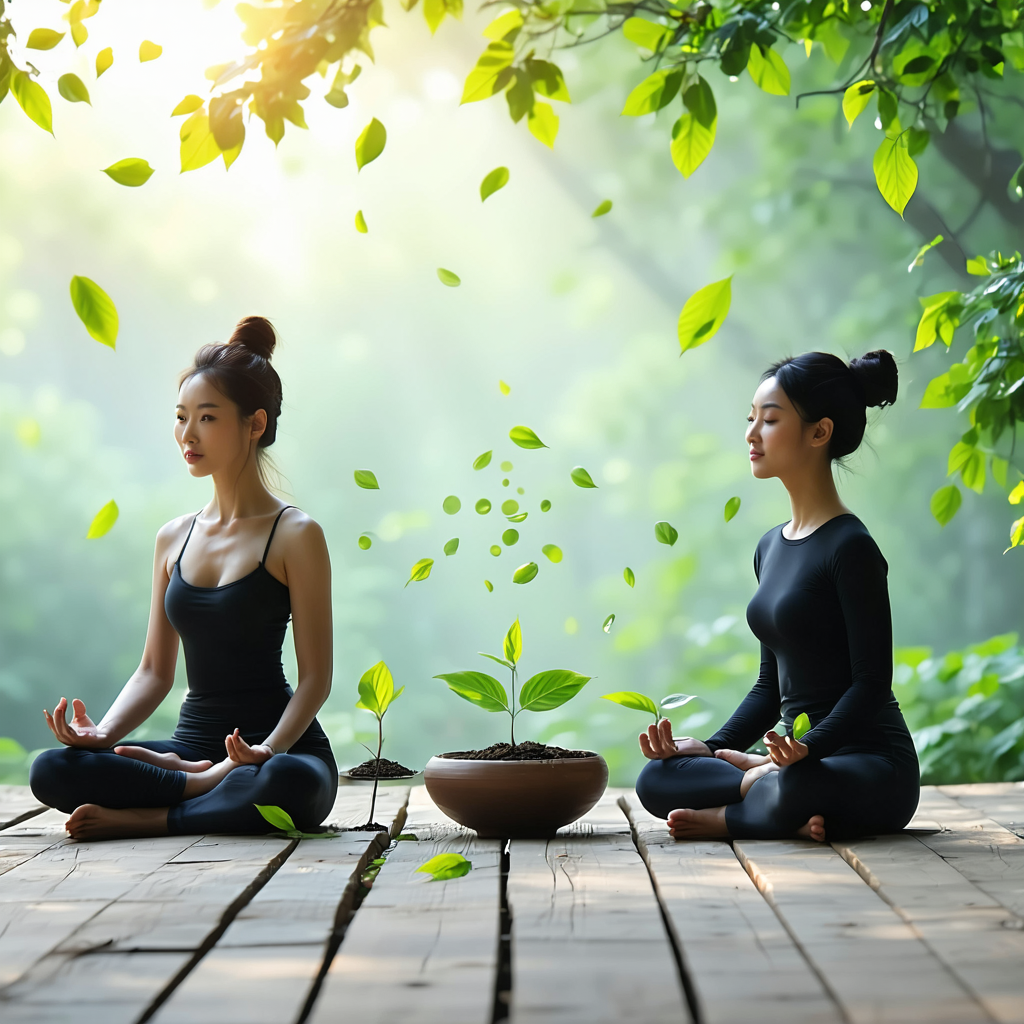
Qi, prana, and bioenergy explained
Qi, prana, and bioenergy all point to the same broad idea – a vital life force that flows through living systems and shapes health, mood, and resilience. The terms come from different cultural traditions, yet they overlap in ways that make comparing them genuinely useful for anyone building a modern wellness routine. Understanding qi vs prana vs bioenergy can help you choose practices that resonate with your background and goals.
Table of contents
- What is qi – the Chinese concept of vital energy
- What is prana – the Ayurvedic and yogic life force
- What is bioenergy – the modern scientific framing
- Qi vs prana vs bioenergy – a direct comparison
- Where qi, prana, and bioenergy overlap
- Key differences worth knowing
- Practical applications for everyday wellness
- Choosing a practice that fits your life
- My own experience mixing these frameworks
- What current research suggests
- Frequently asked questions
What is qi – the Chinese concept of vital energy
Qi (also romanized as chi or ch’i) is the foundational concept of Chinese medicine and philosophy. It is described as the animating force that flows through pathways called meridians, keeping the body balanced and the mind clear. When qi moves freely, health follows; when it stagnates or becomes deficient, discomfort and illness may arise.
Traditional Chinese medicine (TCM) identifies several types of qi. Yuan qi is the constitutional energy inherited at birth. Wei qi acts like a protective shield at the body’s surface. Ying qi nourishes the organs and tissues from within. Each type has a specific role, and practitioners work to harmonize all of them.
Practices designed to cultivate qi include tai chi, qigong, acupuncture, and herbal medicine. Many people who explore qi vs prana vs bioenergy start here because TCM has one of the longest continuous clinical traditions in the world – spanning more than 2,000 years of documented use.
How qi is assessed and supported
In a TCM consultation, a practitioner reads the pulse at multiple positions on the wrist, observes the tongue, and asks detailed questions about sleep, digestion, and emotional patterns. The goal is to map where qi is abundant, deficient, or stuck.
Common qi-supporting habits include slow, rhythmic movement, mindful breathing, adequate sleep, and eating foods considered warming or nourishing for the organs. Some people find that even a short daily qigong session – ten to fifteen minutes – shifts their energy noticeably within a few weeks.
What is prana – the Ayurvedic and yogic life force
Prana is the Sanskrit word for life force and breath. In Ayurveda and classical yoga philosophy, prana is the energy that underlies every physical and mental process. It travels through subtle channels called nadis – a network comparable in concept to TCM’s meridians – and gathers at energy centers known as chakras.
Like qi, prana is not a single uniform force. The Vedic texts describe five main sub-types called vayus (literally “winds”). Prana vayu governs inhalation and the upward movement of energy. Apana vayu governs downward movement and elimination. Samana vayu balances digestion. Udana vayu controls speech and upward expression. Vyana vayu circulates energy throughout the whole body.
When you study qi vs prana vs bioenergy, the vayu system is one of the clearest examples of how ancient traditions developed remarkably detailed models of inner physiology without modern instruments.
Pranayama and other prana-cultivating practices
The most direct way to work with prana is through pranayama – structured breathing exercises. Techniques like nadi shodhana (alternate nostril breathing), kapalabhati (breath of fire), and bhramari (humming bee breath) are each said to influence different aspects of pranic flow.
Yoga asana, meditation, and a sattvic diet – one emphasizing fresh, lightly processed foods – are also central to prana cultivation in the Ayurvedic framework. Ayurveda additionally personalizes recommendations based on a person’s dosha constitution, which determines which foods and routines best support their particular pranic balance.
What is bioenergy – the modern scientific framing
Bioenergy is the term used in contemporary biology and biophysics to describe the energy produced and used by living organisms at the cellular level. The most studied form is adenosine triphosphate (ATP) – the molecule that powers virtually every cellular process, from muscle contraction to nerve signaling to immune response.
In a stricter scientific sense, bioenergy does not map perfectly onto qi or prana because it refers to measurable biochemical reactions rather than a flowing vital force. However, researchers in fields like bioelectricity and biophotonics are exploring phenomena – such as the weak electromagnetic fields generated by the heart and brain – that some scientists argue may eventually bridge the gap between traditional energy concepts and modern physiology.
When wellness practitioners use the word bioenergy today, they often mean something broader: the sum of electrical, biochemical, and perhaps subtle energetic signals that animate a living body. In that looser sense, the qi vs prana vs bioenergy conversation becomes genuinely interesting rather than a simple clash between ancient and modern worldviews.
Bioenergetic therapies and their roots
The term bioenergetics also refers to a body-centered psychotherapy developed by Alexander Lowen in the mid-twentieth century, itself rooted in Wilhelm Reich’s earlier work on “orgone” energy. Lowen’s bioenergetic analysis uses movement, posture, and breathwork to release chronic muscular tension that he believed blocked the free flow of bodily energy.
More recently, energy medicine approaches – including therapeutic touch, healing touch, and some forms of bodywork – use “bioenergy” as a clinical shorthand for the practitioner’s intention to influence the client’s energy field. These practices sit at the frontier of what current research can fully explain, but they have devoted communities of practitioners and users.
Qi vs prana vs bioenergy – a direct comparison
Placing all three concepts side by side reveals both their shared logic and their distinct flavors. Here is a concise breakdown to make the comparison practical.
- Origin: Qi – Chinese medicine and Taoist philosophy. Prana – Vedic, Ayurvedic, and yogic traditions of South Asia. Bioenergy – Western biology, biophysics, and body-centered psychotherapy.
- Primary channels: Qi flows through meridians. Prana flows through nadis. Bioenergy moves through the nervous system, fascia, and electromagnetic fields.
- Sub-types: Qi has yuan, wei, ying, and others. Prana has the five vayus. Bioenergy is typically described as ATP, bioelectricity, or biophotons depending on the context.
- Assessment methods: Qi – pulse diagnosis, tongue observation. Prana – pulse (nadi pariksha), constitutional typing. Bioenergy – heart rate variability (HRV), EEG, EMG, and other biometric tools.
- Core practices: Qi – qigong, tai chi, acupuncture, herbal medicine. Prana – pranayama, yoga, Ayurvedic diet, meditation. Bioenergy – breathwork, movement therapy, biofeedback, energy medicine.
- Scientific status: Qi and prana remain outside the mainstream biomedical model but are studied in integrative medicine research. Cellular bioenergy (ATP metabolism) is fully established science; subtle bioenergy fields are an active and contested area of research.
Where qi, prana, and bioenergy overlap
The most striking overlap is the shared assumption that breath is a primary gateway to energy regulation. Qigong and tai chi emphasize slow, intentional breathing just as much as pranayama does. Even Lowen’s bioenergetic exercises begin with deep, rhythmic breathing to “charge” the body.
All three frameworks also treat movement as medicine. Whether you call it cultivating qi, building prana, or improving bioenergetic flow, the practical outcome of regular mindful movement – better circulation, reduced muscular tension, clearer thinking – is consistent across traditions and supported by a growing body of exercise physiology research.
A third area of overlap is the mind-body connection. Qi stagnation in TCM is often linked to emotional suppression, particularly unexpressed grief or frustration. Blocked prana in yoga philosophy is frequently associated with fear or attachment. Bioenergetic therapy explicitly works with the emotional charge held in chronic muscular patterns. All three systems insist that psychological and physical health cannot be fully separated.
Finally, all three frameworks value rest and recovery as active processes rather than mere absence of effort. In TCM, sleep is when the liver stores blood and qi replenishes. In Ayurveda, the hours before midnight are considered the most restorative for prana. In bioenergetics, adequate sleep is when cellular repair, mitochondrial maintenance, and nervous system recovery peak.
Key differences worth knowing
The most important difference is epistemological – how each system generates and validates knowledge. TCM and Ayurveda developed through centuries of clinical observation within philosophical frameworks that accepted subtle phenomena as real. Modern bioenergy science relies on reproducible measurement and peer-reviewed evidence. These are genuinely different standards of knowing, and neither cancels the other out.
A second difference is specificity. TCM’s meridian system maps 12 primary channels and 8 extraordinary vessels with precise acupuncture points. The nadi system in some texts lists 72,000 channels. Modern bioenergetics has no comparable anatomical map – it works with the nervous system, fascia, and electromagnetic fields as best understood by current instruments.
A third difference is personalization. Ayurveda is perhaps the most individualized of the three – every recommendation is filtered through a person’s dosha type, current imbalance, season, and life stage. TCM also personalizes through pattern diagnosis. Mainstream bioenergy science tends to describe population averages rather than individual constitutions, though personalized medicine is a growing field.
Practical applications for everyday wellness
Understanding qi vs prana vs bioenergy is most useful when it informs actual daily habits. Here are practical starting points from each tradition that many people find easy to integrate.
From the qi tradition
A simple five-minute morning qigong routine – standing with feet shoulder-width apart, breathing slowly, and making gentle sweeping arm movements – may support circulation and mental clarity. Many practitioners report that consistency matters more than duration. Even brief daily practice tends to produce more noticeable results than occasional long sessions.
Acupuncture sessions with a licensed practitioner are another accessible entry point. The National Center for Complementary and Integrative Health (NCCIH) notes that acupuncture has been studied for a range of conditions including chronic pain, headache, and stress-related symptoms, with promising results in several areas.
From the prana tradition
Nadi shodhana pranayama is one of the most widely recommended breathing practices for balancing pranic energy. Sitting comfortably, you alternate closing each nostril while breathing slowly. Four to six minutes in the morning or before bed is a manageable starting point that some people find genuinely calming within the first session.
Pairing breathwork with a simple dietary shift – reducing heavily processed foods and increasing fresh vegetables, whole grains, and lightly cooked meals – aligns with Ayurvedic principles for supporting prana without requiring a complete lifestyle overhaul.
From the bioenergy tradition
Heart rate variability (HRV) training is one of the most evidence-supported bioenergetic tools available to everyday users. Wearable devices and smartphone apps can measure HRV and guide coherent breathing – typically around five to six breaths per minute – which has been shown in multiple studies to support autonomic nervous system balance.
Progressive muscle relaxation and somatic movement practices draw on bioenergetic principles by systematically releasing held tension in the body. These techniques are widely used in stress management programs and may support both physical recovery and emotional regulation.
Choosing a practice that fits your life
When weighing qi vs prana vs bioenergy for your own routine, the most honest advice is to start with what already interests you. If you are drawn to Chinese culture or have access to a good qigong teacher, start there. If yoga already feels natural, deepen your pranayama practice. If you prefer data and devices, explore HRV biofeedback.
The traditions are not mutually exclusive. Many experienced practitioners combine elements from all three – using qigong for morning movement, pranayama for breathing practice, and HRV monitoring to track recovery. The underlying physiology being influenced – breath, movement, nervous system regulation, sleep quality – is the same regardless of the label.
It is also worth noting that none of these frameworks should replace conventional medical care for diagnosed conditions. They work best as complementary practices that support overall vitality, resilience, and wellbeing alongside standard healthcare.
My own experience mixing these frameworks
I have found that the qi vs prana vs bioenergy debate becomes much less abstract when you simply try the practices. A few years ago I was going through a particularly stressful period – long work hours, poor sleep, and a persistent low-grade anxiety that I could not shake. A colleague suggested I try a local qigong class, mostly because it was free and met early on Saturday mornings.
I went expecting to feel skeptical. Instead, after about three weeks of attending, I noticed my sleep was deeper and I was less reactive during difficult conversations. I have no way to know whether my qi was flowing better, my prana was more balanced, or my HRV had simply improved because I was moving more and breathing more slowly. Probably some combination of all three.
That experience convinced me that the frameworks matter less than the practices themselves. The language of qi, prana, and bioenergy are different maps pointing toward the same territory – a body that breathes well, moves regularly, and recovers fully.
What current research suggests
Research on qi vs prana vs bioenergy sits at different stages of scientific development depending on which tradition and which specific practice you examine.
Qigong and tai chi have accumulated a reasonably strong body of evidence. Systematic reviews suggest these practices may support balance, reduce falls in older adults, lower perceived stress, and improve markers of cardiovascular health. The mechanisms proposed include improved autonomic regulation, reduced cortisol, and better musculoskeletal function – language that maps neatly onto bioenergetic concepts even when the studies do not use that term.
Pranayama research is growing steadily. Studies on slow breathing and alternate nostril breathing report effects on blood pressure, heart rate variability, and self-reported anxiety. The physiological mechanisms – vagal activation, CO2 regulation, baroreflex sensitivity – are well understood, even if the pranic explanation is not part of the scientific framing.
The bioenergy field in its broader sense – including biophotons, bioelectromagnetic fields, and subtle energy therapies – is more contested. Some researchers argue that the body’s endogenous electromagnetic fields are more biologically significant than mainstream medicine currently acknowledges. Others maintain that existing evidence does not yet support strong claims. This is a genuinely open scientific question, and it is one of the most interesting frontiers in integrative health research.
What all three bodies of research share is a consistent finding: practices that involve slow breathing, mindful movement, and reduced physiological arousal tend to produce measurable benefits regardless of the theoretical framework used to explain them. That convergence is itself meaningful when thinking about qi vs prana vs bioenergy in practical terms.
For anyone wanting to explore the research landscape, the NCCIH maintains a regularly updated library of evidence summaries on complementary health approaches that covers many of the practices discussed here.
Frequently asked questions
Is qi the same as prana?
Qi and prana are closely analogous concepts – both describe a vital life force that flows through the body and underpins health – but they come from distinct philosophical traditions and are described through different anatomical maps (meridians for qi, nadis for prana). They are parallel ideas rather than identical ones, and the practices used to cultivate each have their own unique characteristics.
Is bioenergy scientifically proven?
It depends on which aspect of bioenergy you mean. Cellular bioenergy – the production and use of ATP by living cells – is fully established and foundational to modern biology. Subtle bioenergy fields, such as biophotons and bioelectromagnetic phenomena, are an active area of research with promising but not yet conclusive evidence. Energy medicine therapies that work with these fields are still in early stages of rigorous clinical evaluation.
Can I practice qi gong and pranayama together?
Yes, many practitioners combine both. The breath-centered, mindful movement principles underlying qigong and pranayama are compatible, and some people find that each practice deepens their experience of the other. Starting with one and adding the second gradually tends to work better than trying to learn both simultaneously from scratch.
Which is better for stress – qi cultivation, prana work, or bioenergy practices?
All three traditions offer effective stress-support tools, and research on slow breathing, mindful movement, and nervous system regulation supports practices from each framework. The best choice is usually the one you will actually do consistently. Some people find the cultural and philosophical context of TCM or Ayurveda motivating; others prefer the data-driven feedback of HRV biofeedback. Personal resonance matters as much as the specific technique.
Do I need a teacher to work with qi, prana, or bioenergy?
A qualified teacher can significantly accelerate learning and help you avoid common mistakes, especially for practices like advanced pranayama or acupuncture. That said, many foundational practices – basic qigong exercises, nadi shodhana breathing, coherent breathing for HRV – can be learned safely from reputable books, videos, or apps. Starting simple and seeking guidance as your practice deepens is a reasonable approach.
How long before I notice results from these practices?
Many people notice subtle shifts in mood, sleep quality, or energy levels within the first two to four weeks of consistent daily practice. More significant changes in stress resilience, physical vitality, or chronic symptoms typically take longer – often two to three months of regular engagement. In my own routine, I have found that the first noticeable change is usually in sleep quality, which then supports everything else.
Are there any risks to these practices?
Most gentle qi and prana practices carry very low risk for healthy adults. Vigorous pranayama techniques like kapalabhati are not recommended during pregnancy or for people with certain cardiovascular or respiratory conditions. Acupuncture should be performed by a licensed practitioner using sterile needles. If you have a diagnosed health condition, it is worth discussing any new complementary practice with your healthcare provider before starting.
For more practical wellness ideas, browse the Health Living Today guide library.