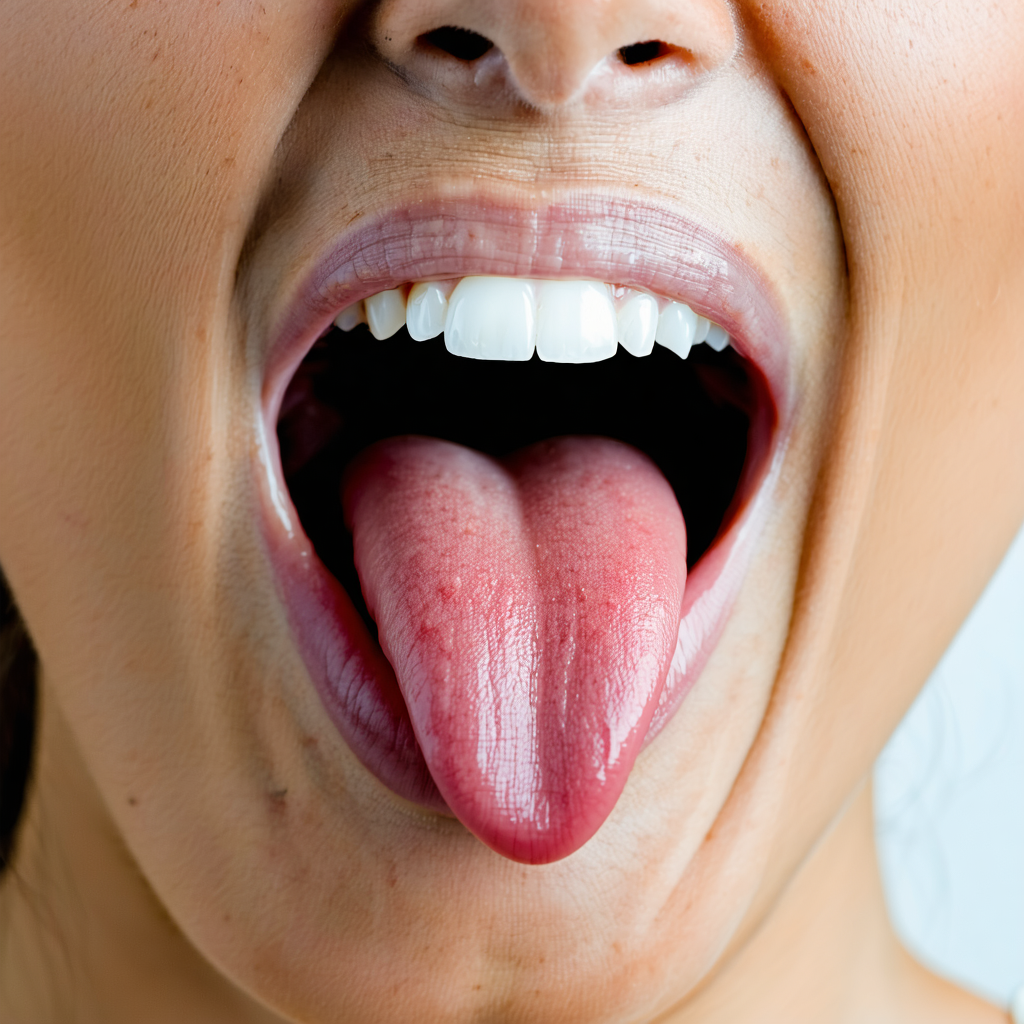
What is tongue scraping in Ayurveda – and does it actually work?
Tongue scraping ayurveda practitioners have used for thousands of years is a simple morning ritual that involves drawing a curved tool across the surface of the tongue to remove overnight buildup. Most people who try it consistently report fresher breath, a cleaner mouth feel, and a sharper sense of taste within the first week. Modern oral-health research is beginning to catch up with what Ayurvedic tradition has long described, making this one of the easiest evidence-aware habits you can add to your routine.
Tongue Scraping Ayurveda: What Matters Most
Table of contents
- What tongue scraping means in Ayurvedic tradition
- Ama – the Ayurvedic concept behind the practice
- What modern research says about tongue scraping
- Choosing the right scraper – copper, stainless steel, or plastic
- Step-by-step technique for beginners
- The best time to scrape and how often
- Tongue scraping and your dosha
- Pairing tongue scraping with other dinacharya habits
- Common mistakes and how to avoid them
- Who should be cautious
- Frequently asked questions
What tongue scraping means in Ayurvedic tradition
Tongue scraping ayurveda texts describe as jihwa prakshalana or jihwa nirlekhana – a daily cleansing act listed in the classical morning routine called dinacharya. The ancient Sanskrit medical texts, including the Charaka Samhita and Sushruta Samhita, recommend it alongside oil pulling, nasal rinsing, and self-massage as a foundation of preventive self-care.
In Ayurvedic thinking, the tongue is not just a muscle for tasting and speaking. It is a map of the body’s internal state. Different zones of the tongue correspond to different organs, and a skilled Ayurvedic practitioner will examine tongue color, coating, and texture as part of a broader health assessment.
The coating that accumulates overnight – often white, gray, or yellowish – is not simply food residue. Ayurveda identifies it as a visible sign of metabolic waste that the body has worked to move toward the surface during sleep. Removing it each morning before eating or drinking is considered both a hygienic act and a way of preventing that waste from being reabsorbed.
Ama – the Ayurvedic concept behind the practice
To understand why tongue scraping ayurveda tradition treats as non-negotiable, it helps to understand the concept of ama. Ama is the Ayurvedic term for undigested or incompletely processed material – whether from food, emotions, or sensory experiences – that accumulates in the body and may impair normal function.
Ayurveda holds that poor digestion is at the root of most imbalance. When agni (digestive fire) is strong, food is fully transformed and waste is efficiently eliminated. When agni is weak or irregular, ama builds up. The tongue coating is considered a direct reflection of how much ama is present in the digestive system at any given time.
A thick, heavily coated tongue in the morning may suggest sluggish digestion or a diet heavy in processed food, dairy, or late-night eating. A thin, barely-there film is considered more normal. Tongue scraping ayurveda style is therefore both a cleansing act and a daily diagnostic check-in – you simply look at what came off before you wash the scraper.
What modern research says about tongue scraping
Modern oral health science approaches this from a different angle, but the conclusions overlap more than you might expect. The coating on the tongue is largely made up of bacteria, dead epithelial cells, food debris, and volatile sulfur compounds – the primary drivers of bad breath (halitosis).
A Cochrane review on tongue scrapers and halitosis found that tongue scrapers and cleaners reduce volatile sulfur compounds more effectively than toothbrushing the tongue alone. The effect on short-term bad breath was measurable and statistically meaningful. That is a modest but real finding, and it aligns closely with what tongue scraping ayurveda practitioners have claimed for centuries.
Some smaller studies also suggest that regular tongue cleaning may support overall oral microbiome balance by reducing the load of anaerobic bacteria that thrive in the tongue’s surface grooves. Research in this area is still developing, but the early signals are encouraging.
It is worth noting that tongue scraping is not a replacement for brushing, flossing, or professional dental care. Think of it as a complementary habit that addresses a part of the mouth that a toothbrush does not reach particularly well.
Choosing the right scraper – copper, stainless steel, or plastic
The material of your scraper matters more in Ayurvedic terms than in purely mechanical ones. Here is a quick comparison to help you decide.
- Copper – The traditional Ayurvedic choice. Copper has natural antimicrobial properties, and some research supports its ability to inhibit bacterial growth on contact surfaces. Ayurveda also attributes specific energetic qualities to copper that are said to balance all three doshas. Copper scrapers require a little more care – rinse and dry after each use to prevent oxidation.
- Stainless steel – Durable, easy to clean, and resistant to corrosion. A good practical choice if you prefer something low-maintenance. Slightly less traditional but widely used and effective.
- Plastic – Inexpensive and widely available, often included with some electric toothbrush kits. Works mechanically but carries no Ayurvedic significance and may harbor bacteria in micro-scratches over time. Replace frequently if you use plastic.
Shape matters too. The classic Ayurvedic scraper is a thin, U-shaped or horseshoe-shaped strip that flexes slightly to conform to the tongue’s surface. Avoid tools with sharp edges or rigid forms that could cause discomfort.
I personally switched from plastic to copper about two years ago, and the difference in how the tool feels – slightly heavier, more intentional – genuinely helped me stick with the habit. It sounds small, but ritual objects you enjoy using are easier to reach for each morning.
Step-by-step technique for beginners
The technique for tongue scraping ayurveda style is straightforward, but a few details make a real difference in comfort and effectiveness.
- Do it first thing. Before drinking water, brushing teeth, or eating anything, go to the bathroom and pick up your scraper.
- Stick out your tongue fully. Relax the tongue rather than tensing it. A relaxed tongue gives you better surface access.
- Place the scraper at the back of the tongue. Go as far back as is comfortable without triggering your gag reflex. Most people can reach just past the midpoint. With practice, you may be able to go a little further.
- Apply gentle, even pressure and draw forward. Use a single smooth stroke from back to front. Do not scrub back and forth – the goal is to collect and remove the coating, not to abrade the surface.
- Rinse the scraper between strokes. Tap or rinse off the collected material under running water. This prevents re-depositing it on the tongue.
- Repeat 5 to 7 times. Most people find 5 to 7 strokes covers the full tongue surface. You will notice the coating diminishes with each pass.
- Rinse your mouth with water. A simple water rinse is fine. Some people follow with warm salt water or a small amount of sesame oil for oil pulling.
- Clean and dry the scraper. Rinse thoroughly, pat dry with a clean cloth, and store in a dry place.
The whole process takes under two minutes once you are used to it. If you experience any soreness or sensitivity, you are likely pressing too hard. The pressure should feel like a light sweep, not a scrub.
The best time to scrape and how often
Tongue scraping ayurveda recommends doing every single morning – ideally before any food or drink enters the mouth. The reasoning is practical: the coating is at its thickest first thing in the morning after a night of metabolic activity and reduced saliva flow.
Saliva is the mouth’s natural self-cleaning mechanism. During sleep, saliva production drops significantly, which allows bacteria to proliferate and the coating to accumulate. Scraping immediately on waking captures this buildup at its peak.
Some Ayurvedic practitioners also suggest a light scrape in the evening before bed, particularly if you have eaten a heavy or late meal. I have found the morning session to be the one that makes a noticeable difference; the evening scrape feels optional but pleasant.
Daily practice is the standard recommendation. Unlike some wellness habits that work well a few times a week, the benefits of tongue scraping – particularly for breath freshness and digestive awareness – seem to accumulate with consistent daily use rather than occasional sessions.
Tongue scraping and your dosha
One of the more nuanced aspects of tongue scraping ayurveda tradition offers is the idea that what you see on your tongue reflects your current doshic state. The three doshas – Vata, Pitta, and Kapha – each tend to produce a characteristic tongue appearance when out of balance.
Vata tongue signs
A Vata-imbalanced tongue is often dry, with a thin grayish or brownish coating, and may show a slight tremor when extended. The coating tends to be concentrated at the back of the tongue, which Ayurveda associates with the colon – a primary Vata site. People with a Vata constitution may find their coating is lighter and easier to remove.
Pitta tongue signs
A Pitta-imbalanced tongue often shows a yellow or greenish coating, sometimes with redness or small inflamed bumps. The coating may be concentrated in the middle zone, associated with the liver and small intestine. Tongue scraping ayurveda Pitta-focused protocols often pair with cooling dietary adjustments and avoiding overly spicy or acidic foods.
Kapha tongue signs
A Kapha tongue tends to produce the thickest, whitest coating – sometimes almost pasty in texture. This is the coating most people picture when they think of tongue scraping. Kapha imbalance is associated with sluggish digestion, excess mucus, and dampness. Daily tongue scraping ayurveda texts say is especially important for Kapha types, paired with warming spices like ginger and black pepper to stoke digestive fire.
You do not need to know your dosha to benefit from tongue scraping, but paying attention to what your tongue looks like over time can give you useful, low-tech feedback about how your digestion and lifestyle habits are affecting your body.
Pairing tongue scraping with other dinacharya habits
Tongue scraping ayurveda places within a broader morning routine called dinacharya, which translates roughly as “daily conduct.” The individual practices are designed to work together, and many people find that adding tongue scraping makes other habits easier to maintain because it anchors the morning sequence.
A simple dinacharya sequence that pairs well with tongue scraping might look like this:
- Wake before sunrise if possible – Ayurveda associates this time with Vata energy, which supports mental clarity and lightness.
- Tongue scraping – The first physical act of the morning routine.
- Drink warm water – A cup of warm or room-temperature water after scraping may support bowel regularity and gentle digestive stimulation.
- Oil pulling (kavala or gandusha) – Swishing a tablespoon of sesame or coconut oil for 5 to 15 minutes. Some people do this before scraping; others after. Either order has its advocates.
- Nasal rinsing or nasya – Neti pot or applying a small amount of warm sesame oil to each nostril with a clean fingertip.
- Abhyanga – Self-massage with warm oil before bathing.
- Meditation or breathwork – Even five minutes creates a meaningful transition before the day begins.
You do not need to do all of these to benefit. Starting with just tongue scraping and warm water is a perfectly complete beginning. Build from there as the habits feel natural rather than obligatory.
Common mistakes and how to avoid them
Most people who try tongue scraping and quit do so because of a few avoidable missteps. Here are the ones I see come up most often.
Pressing too hard
The tongue’s surface is sensitive mucous membrane, not a cutting board. Firm pressure is not more effective – it just causes soreness and may make you reluctant to continue. A light, consistent sweep is all you need.
Scraping too far back too fast
Triggering your gag reflex repeatedly is unpleasant and unnecessary. Start at a comfortable midpoint and gradually work further back over days or weeks as your reflex adapts. Most people find this happens naturally with consistent practice.
Skipping the rinse between strokes
If you do not rinse the scraper between passes, you are just redistributing the coating rather than removing it. A quick tap under running water between each stroke takes two seconds and makes a meaningful difference.
Doing it after breakfast
Scraping after you have already eaten or drunk something misses the window when the coating is most concentrated. The morning-before-anything timing is the core of why tongue scraping ayurveda tradition values so highly.
Using a damaged or corroded scraper
A copper scraper that has not been dried properly can develop a greenish patina (copper oxide), which you do not want to drag across your tongue. Inspect your scraper regularly and replace it if it shows signs of damage or heavy corrosion.
Who should be cautious
Tongue scraping is generally safe for most adults, but there are a few situations where some care is warranted.
- Open sores or ulcers on the tongue – If you have active mouth ulcers, canker sores, or any kind of oral wound, skip scraping until the area has healed. Mechanical contact will aggravate rather than help.
- Geographic tongue – This benign condition causes irregular, map-like patches on the tongue surface. Scraping is usually fine but may feel more sensitive. Use lighter pressure and watch for any increase in discomfort.
- Recent oral surgery or dental procedures – Follow your dentist’s or oral surgeon’s guidance before resuming scraping after any procedure involving the mouth.
- Children – The gag reflex is often more sensitive in young children. Tongue scraping for children should be introduced gently and only when they are old enough to cooperate comfortably – typically around age 10 or older, with parental guidance.
If you have any concerns about your oral health, your dentist is the right person to consult. Tongue scraping is a wellness habit, not a medical treatment, and it works best as part of a broader commitment to oral hygiene that includes regular dental checkups.
Frequently asked questions
What is tongue scraping in Ayurveda?
Tongue scraping in Ayurveda – known as jihwa nirlekhana – is a daily morning practice of drawing a curved metal tool across the tongue surface to remove accumulated coating. Ayurveda considers this coating a visible sign of ama (metabolic waste) and recommends removing it each morning before eating or drinking to support digestion, oral hygiene, and overall vitality.
How often should you do Ayurvedic tongue scraping?
Tongue scraping ayurveda texts recommend doing every morning without exception. Daily practice is considered more beneficial than occasional use because the coating accumulates overnight and the habit works cumulatively. Some practitioners also suggest a light evening scrape, but the morning session is the essential one.
Is copper the best material for a tongue scraper?
Copper is the traditional Ayurvedic choice and has documented antimicrobial properties. Stainless steel is a practical modern alternative that is durable and easy to maintain. Plastic works mechanically but is the least preferred option from both an Ayurvedic and a hygiene standpoint. The best scraper is the one you will actually use consistently – material matters less than daily habit.
Can tongue scraping improve digestion?
Ayurveda holds that removing the tongue coating before eating prevents reabsorption of ama and may support clearer taste perception, which in turn influences how well you chew, salivate, and prepare for digestion. Some people find that their appetite feels cleaner and their food tastes more distinct after making tongue scraping a daily habit. Modern research on the direct digestive effects is limited, but the oral hygiene benefits are reasonably well supported.
Does tongue scraping help with bad breath?
Yes – this is one of the best-supported benefits. The coating on the tongue is a primary source of volatile sulfur compounds, which are the main cause of bad breath. Removing that coating each morning may support noticeably fresher breath throughout the day. A Cochrane review found tongue scrapers to be more effective than toothbrushing the tongue for reducing these compounds.
What does a healthy tongue look like according to Ayurveda?
In Ayurvedic assessment, a healthy tongue is pink, moist, and has only a very thin, almost transparent coating – or none at all. It should be free of cracks, discoloration, or significant coating. A thick white, yellow, or grayish coating is considered a sign of digestive imbalance or ama accumulation. Tongue scraping ayurveda practice treats as both a remedy and a daily monitor of this internal state.
Should I do tongue scraping before or after oil pulling?
Both sequences have their proponents in Ayurvedic practice. The most common recommendation is to scrape first, then oil pull – the logic being that you remove the bulk of the coating before swishing oil around the mouth. However, some practitioners prefer to oil pull first to loosen the coating and then scrape. Try both and see which feels more effective and comfortable for your own routine.
How long does it take to see results from tongue scraping?
Most people notice improved breath freshness and a cleaner mouth feel within the first three to five days of consistent practice. Changes in tongue appearance – a lighter, thinner coating over time – often become visible within two to four weeks when tongue scraping is combined with dietary adjustments and other dinacharya habits. Digestive awareness tends to develop more gradually over one to three months of daily practice.
For more practical wellness ideas, browse the Health Living Today guide library.