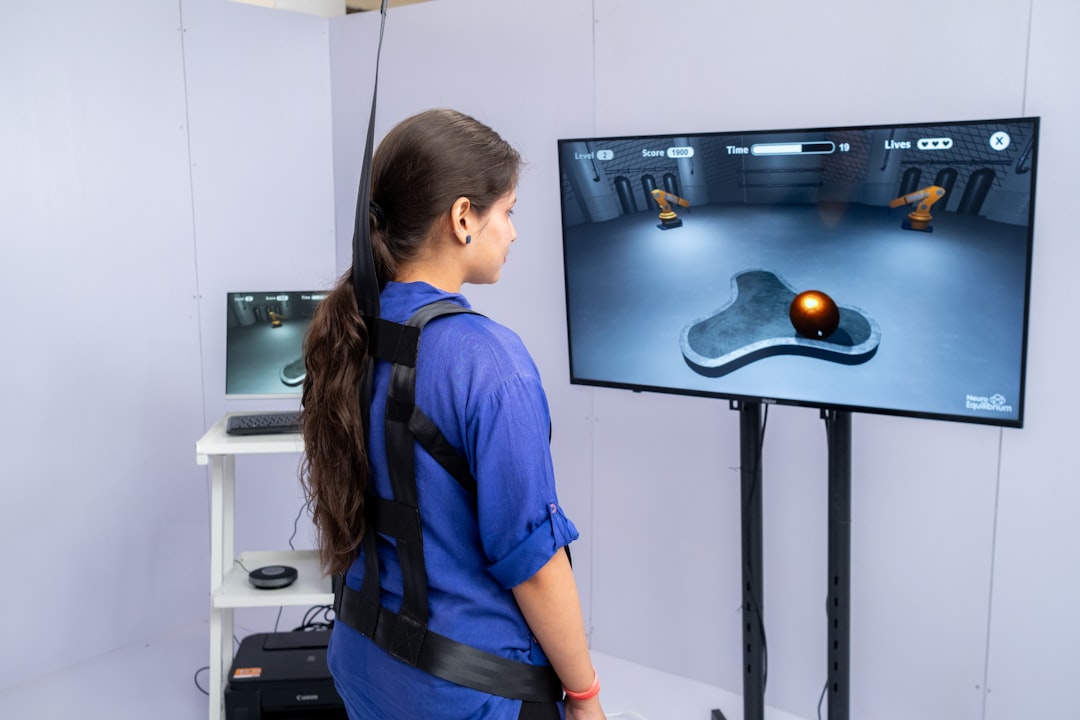
Biofeedback Devices Overview
Biofeedback devices are tools that measure real-time physiological signals – heart rate, muscle tension, skin temperature, brainwave activity – and feed that information back to you so you can learn to influence those signals consciously. This biofeedback devices overview covers what the technology actually does, which device categories exist, how to choose one that fits your life, and what the research says about everyday use. I have found that understanding the basics before buying anything saves a lot of frustration and money.
Table of contents
- What is biofeedback and how does it work
- Types of physiological signals biofeedback devices measure
- Main categories of biofeedback devices
- Heart rate variability devices
- EMG and muscle tension devices
- EEG and neurofeedback devices
- GSR and skin conductance devices
- Temperature biofeedback devices
- How to choose the right biofeedback device for you
- Getting started with a biofeedback device
- What the evidence says
- Frequently asked questions
What is biofeedback and how does it work
Biofeedback is a process where a sensor picks up a body signal you normally cannot perceive consciously – such as the slight variation between heartbeats – and converts it into something visible or audible in real time. You watch a graph, listen to a tone, or interact with a game, and your nervous system gradually learns to self-regulate that signal. The loop of measure, display, and adjust is what makes biofeedback different from simply tracking health data after the fact.
The core idea draws from decades of clinical research. The National Institute of Mental Health notes that mind-body approaches that train physiological self-regulation are an active area of investigation. Consumer biofeedback devices bring a simplified version of that clinical framework into everyday settings.
I first came across biofeedback years ago when a friend recovering from chronic tension headaches started using a small fingertip sensor during her lunch break. She would sit quietly, watch a color shift on her phone screen, and practice slow breathing. Within a few weeks she said she could feel when her shoulders were creeping toward her ears – and stop them before a headache set in. That small story stuck with me and eventually sent me down the rabbit hole of exploring this biofeedback devices overview for myself.
Types of physiological signals biofeedback devices measure
Different devices target different body signals. Knowing which signal maps to which wellness goal helps you narrow the field quickly.
- Heart rate variability (HRV) – the millisecond variation between successive heartbeats, linked to autonomic nervous system balance
- Electromyography (EMG) – electrical activity in muscles, useful for detecting tension and retraining movement patterns
- Electroencephalography (EEG) – brainwave frequencies, the basis of neurofeedback
- Galvanic skin response (GSR) / skin conductance – sweat-gland activity that reflects emotional arousal
- Peripheral skin temperature – fingertip or hand temperature that drops during stress and rises during relaxation
- Respiration rate – breathing rhythm, often paired with HRV training
- Blood oxygen saturation (SpO2) – found in some hybrid wellness wearables alongside biofeedback features
Most consumer devices focus on one primary signal and may include one or two secondary signals for context. Clinical systems often combine several simultaneously, but those carry clinical-grade price tags to match.
Main categories of biofeedback devices – a practical comparison
This biofeedback devices overview groups devices into five practical categories based on the signal they prioritize. Each category has a different use case, price range, and learning curve.
- HRV / cardiac coherence devices – ear clip or finger sensor, app-driven, beginner-friendly, roughly $50-$300
- EMG devices – surface electrodes on muscles, used for relaxation training or movement rehab, roughly $80-$500
- EEG / neurofeedback headsets – dry electrodes on the scalp, the most complex category, roughly $200-$800 for consumer versions
- GSR wristbands and finger sensors – simple, low cost, good entry point for stress awareness, roughly $30-$200
- Temperature sensors – the simplest hardware, often a single fingertip probe, roughly $20-$100
Hybrid wearables like smartwatches increasingly add biofeedback-adjacent features – stress scores, breathing guides – but they are not the same as dedicated biofeedback devices because the feedback loop is less precise and less actionable in real time.
Heart rate variability devices
HRV biofeedback is currently the most popular consumer category, and for good reason. The signal is relatively easy to capture accurately with a photoplethysmography (PPG) sensor or a chest strap ECG, the science behind it is well-developed, and the training protocol – slow, rhythmic breathing at roughly 5-6 breaths per minute – is straightforward to learn.
Devices like the Inner Balance Bluetooth sensor from HeartMath pair a small ear or finger clip with a smartphone app that shows a real-time coherence score. The score rises when your heart rhythm becomes smooth and wave-like, which corresponds to a balanced state in the autonomic nervous system. Some people find that even five minutes of daily HRV coherence practice may support a calmer baseline over time.
Chest strap monitors such as the Polar H10 offer more accurate raw HRV data and are popular with athletes who want to track recovery, but they require third-party apps to turn raw data into a proper feedback loop. The distinction matters: data logging is not the same as biofeedback. True biofeedback requires the real-time display that closes the loop.
Who HRV biofeedback devices suit best
HRV devices tend to work well for people dealing with everyday stress, those curious about breath-pacing practices, and athletes monitoring recovery load. The breathing-based protocol is gentle and does not require any prior knowledge of physiology to get started.
In my own routine I use an HRV device for about eight minutes each morning before checking messages. I have found that starting the day with that short session makes it easier to notice stress building later – and to do something about it before it compounds.
EMG and muscle tension devices
Electromyography biofeedback measures the tiny electrical currents produced when muscle fibers contract. Surface EMG sensors placed on the skin above a muscle group pick up that activity and translate it into a visual or audio signal. When you see or hear your trapezius muscles firing during a supposedly relaxed posture, you have an immediate reason to adjust.
EMG biofeedback has a strong clinical history. It has been studied for tension-type headaches, temporomandibular joint issues, and lower back pain self-management. Consumer-grade EMG devices have brought this into home use, though the electrode placement requires a bit of learning to get right.
Devices in this space range from simple two-electrode units that clip onto the forehead or forearm to multi-channel systems with software that tracks several muscle groups simultaneously. For most wellness-focused users, a single-channel device targeting the neck, shoulders, or jaw is a practical and affordable starting point.
Practical tips for EMG biofeedback
- Clean the skin with a mild wipe before attaching electrodes – oils and lotions reduce signal quality
- Start with a muscle group you already know holds tension, such as the upper trapezius
- Set a gentle audio threshold alarm rather than staring at a screen – this frees you to work or read while the device monitors
- Practice in short 10-15 minute sessions rather than long ones to avoid feedback fatigue
EEG and neurofeedback devices
EEG neurofeedback is the most technically complex part of any biofeedback devices overview. Consumer EEG headsets use dry electrodes – no gel, no cap – placed on the scalp to pick up brainwave frequencies: delta, theta, alpha, beta, and gamma bands. The device software then rewards certain frequency patterns with pleasant sounds or a smoothly playing video, and penalizes others by disrupting the audio or visual stream.
The most widely known consumer device in this category is the Muse headband, which uses a simplified alpha and beta ratio to infer a calm or active mental state and provides real-time audio feedback through headphones. It is a genuine biofeedback device – not just a tracker – because it actively closes the loop during a session.
Clinical neurofeedback protocols are considerably more sophisticated, targeting specific electrode sites and frequency bands for specific outcomes. Consumer devices use a narrower protocol and make no claims about clinical outcomes, which is appropriate. They position themselves as meditation aids and focus tools, and some people find them genuinely useful for building a consistent mindfulness practice.
Limitations to keep in mind with EEG devices
Dry electrode EEG is susceptible to movement artifacts – any jaw clenching, eye movement, or head shift contaminates the signal. This is why most EEG biofeedback sessions are done seated and still. The signal quality of consumer headsets is also lower than clinical-grade systems, so the feedback reflects a rough approximation of brain state rather than a precise neurological reading.
That said, for the goal of learning to sustain a relaxed, attentive state, even an approximate signal can be a useful training guide. The feedback loop itself – not the raw data precision – is what drives the learning.
GSR and skin conductance devices
Galvanic skin response measures how much the skin conducts electricity, which changes with sweat gland activity driven by the sympathetic nervous system. When you feel surprised, anxious, or excited, skin conductance rises within seconds. This makes GSR one of the fastest-responding biofeedback signals available.
Consumer GSR devices range from simple finger-ring sensors to wristbands with dedicated apps. The Shimmer GSR+ is a research-grade option popular in academic studies, while devices like the EmWave2 (which also incorporates HRV) offer a more polished consumer experience. At the budget end, basic GSR finger sensors costing under $50 can still provide a useful real-time arousal signal when paired with a free app.
In this biofeedback devices overview, GSR sits in the “easy to start, harder to interpret” category. The signal is sensitive and responsive, but it reflects general emotional arousal rather than a specific state. Stress and excitement look similar on a GSR trace. Context and self-awareness fill in what the signal alone cannot tell you.
Where GSR biofeedback is most useful
Some people find GSR biofeedback particularly helpful for learning to recognize the early physiological signs of stress before they become overwhelming. Because the signal responds so quickly, it can serve as an early warning system during challenging conversations, public speaking practice, or any high-pressure situation you can simulate in a safe setting.
Temperature biofeedback devices
Peripheral skin temperature biofeedback is the simplest form of the technology and has one of the longest clinical track records. When the sympathetic nervous system activates during stress, blood flow shifts away from the extremities, and fingertip temperature drops – sometimes by several degrees Fahrenheit within minutes. Learning to warm the hands through relaxation and visualization is a classic biofeedback skill.
Hardware is minimal: a small thermistor probe taped to a fingertip, connected to a display unit or a smartphone via a small interface. Some units are standalone with a simple numeric display; others connect to apps that graph temperature over time. Prices are low compared to other biofeedback categories, making temperature devices a practical entry point for anyone new to the field.
Temperature biofeedback has been studied in the context of migraine, Raynaud’s phenomenon, and general stress management. The training goal is typically to raise fingertip temperature to above 95 degrees Fahrenheit (35 degrees Celsius) and sustain it, which corresponds to a vasodilated, parasympathetically dominant state.
How to choose the right biofeedback device for you
A good biofeedback devices overview should give you a clear decision framework, not just a list of products. Here is how I think about the choice.
Step 1 – Identify your primary goal
Different goals point to different signal types. If your main interest is stress reduction and you want the simplest possible start, an HRV device or a temperature sensor is the most accessible path. If you have muscle tension or posture-related discomfort, an EMG device targets the problem more directly. If you are drawn to meditation and want feedback on mental states, a consumer EEG headset may suit you.
Step 2 – Consider your comfort with technology
Some devices are plug-and-play with polished apps; others require calibration, electrode gel, or third-party software. Be honest about how much setup friction you will tolerate. A sophisticated device that sits unused is worse than a simple one used daily.
Step 3 – Match the device to your practice context
- Desk-based practice – most device types work well; EMG and temperature are especially practical
- Morning meditation – HRV ear clip or EEG headset with eyes closed
- During movement or exercise – chest strap HRV monitors handle motion better than optical sensors
- On the go – compact GSR finger rings or HRV clip sensors with a phone app are the most portable
Step 4 – Set a realistic budget
You do not need to spend $500 to get genuine biofeedback value. A $50-$80 HRV ear clip sensor or a $30 temperature probe can deliver a real feedback loop. Spending more buys accuracy, build quality, and richer software – not necessarily better outcomes for everyday wellness use.
Step 5 – Check the software ecosystem
The hardware is only half the story. Look at whether the companion app is actively maintained, whether it works on your phone’s operating system, and whether it exports data in a format you can use. An orphaned app on outdated hardware is a common frustration in this product category.
Getting started with a biofeedback device
Once you have a device, the learning curve is mostly about consistency rather than complexity. Here is a practical starting protocol that works across most device types.
- Baseline session – spend 5 minutes with the device before doing any intentional regulation, just observing your signal in a resting state. This builds intuition for what your normal looks like.
- Short daily sessions – 8-15 minutes per day is more effective than occasional long sessions, based on how skill acquisition works in self-regulation training.
- Experiment with techniques – slow breathing, progressive muscle relaxation, visualization, and mindfulness attention all interact differently with different signals. Try each for a few days before judging.
- Track your progress loosely – most apps log session data. Review it weekly rather than obsessing over single-session numbers.
- Generalize the skill – the real goal is to apply what you learn in sessions to real-life moments. Some devices have a “spot check” mode for exactly this purpose.
In my own experience, the biggest mistake beginners make is treating biofeedback as a passive experience – sitting down, attaching the sensor, and waiting for something to happen. The device gives you information; the learning comes from actively experimenting with how your choices affect the signal.
What the evidence says about biofeedback devices
This biofeedback devices overview would be incomplete without an honest look at the research. The evidence base for biofeedback is strongest in clinical settings for specific conditions – tension headache, hypertension, pelvic floor dysfunction, anxiety disorders – where structured protocols are delivered by trained practitioners. The National Center for Complementary and Integrative Health (NCCIH) provides a useful plain-language summary of the evidence and notes that biofeedback is generally considered safe.
For consumer wellness use, the research is thinner but growing. HRV biofeedback in particular has accumulated a reasonable body of evidence supporting its role in stress management and autonomic regulation. A 2017 meta-analysis published in Applied Psychophysiology and Biofeedback found that HRV biofeedback showed meaningful effects on stress and anxiety measures across multiple studies.
EEG neurofeedback for healthy adults seeking improved focus or relaxation has mixed evidence – some studies show effects, others do not, and placebo controls are difficult to design well. Temperature and GSR biofeedback have solid clinical histories but less recent consumer-focused research.
The honest position is this: biofeedback devices are not a replacement for professional care when professional care is warranted. For everyday stress awareness, relaxation skill-building, and mind-body curiosity, they represent a well-grounded and low-risk self-development tool. Some people find significant benefit; others find the novelty wears off. The only way to know is to try one consistently for at least four to six weeks.
Frequently asked questions
What is the best biofeedback device for beginners
For most beginners, an HRV ear clip or finger sensor paired with a well-designed app – such as the Inner Balance sensor or a compatible Polar chest strap with an HRV app – offers the best balance of ease, accuracy, and evidence. Temperature sensors are even simpler and lower cost if budget is the main concern. The best device is ultimately the one you will actually use consistently.
Are biofeedback devices the same as meditation apps
No. Meditation apps guide your attention with audio instructions but do not measure your physiology. Biofeedback devices measure a real body signal and display it back to you in real time, closing a feedback loop. Some devices, like the Muse headband, combine guided meditation with genuine real-time EEG feedback, sitting at the intersection of both categories.
Can biofeedback devices help with anxiety
Some people find that regular practice with HRV or GSR biofeedback devices may support a calmer baseline and improved awareness of stress responses. Clinical biofeedback delivered by a trained therapist has stronger evidence for anxiety-related conditions. Consumer devices are wellness tools, not medical treatments, and are not a substitute for professional mental health support when that is needed.
How long does it take to see results from biofeedback training
Most people notice within-session effects – a calmer feeling after a good session – fairly quickly. Lasting changes in baseline stress response typically require consistent practice over four to eight weeks. The skill-building process is gradual, similar to learning any other psychomotor skill.
Do I need a professional to use a biofeedback device
Consumer biofeedback devices are designed for independent use and come with enough guidance to get started without a professional. For specific health concerns – chronic pain, clinical anxiety, neurological conditions – working with a certified biofeedback practitioner who uses clinical-grade equipment is a meaningfully different experience and may produce better outcomes. The Association for Applied Psychophysiology and Biofeedback (AAPB) maintains a directory of certified practitioners if you want to explore that route.
Is biofeedback safe
Biofeedback is widely considered safe for healthy adults. It involves measuring body signals, not delivering any electrical current or therapeutic intervention. People with implanted medical devices such as pacemakers should check with their doctor before using electrode-based systems. Beyond that, the main risk is misuse – relying on a consumer device instead of seeking professional care for a condition that warrants it.
What is the difference between biofeedback and neurofeedback
Neurofeedback is a specific type of biofeedback that uses EEG signals – brainwave activity – as the measured variable. All neurofeedback is biofeedback, but not all biofeedback is neurofeedback. HRV, EMG, GSR, and temperature biofeedback all work with peripheral body signals rather than brain signals. The term “biofeedback devices overview” covers the full family, with neurofeedback as one specialized branch within it.
Can children use biofeedback devices
Some biofeedback protocols have been studied in children, particularly for attention and anxiety. Consumer devices are generally designed for adults, and any use with children should involve parental guidance and, for health-related goals, input from a pediatric health professional. Simple temperature or HRV devices with age-appropriate apps tend to be the most accessible starting point for younger users.
For more practical wellness ideas, browse the Health Living Today guide library.