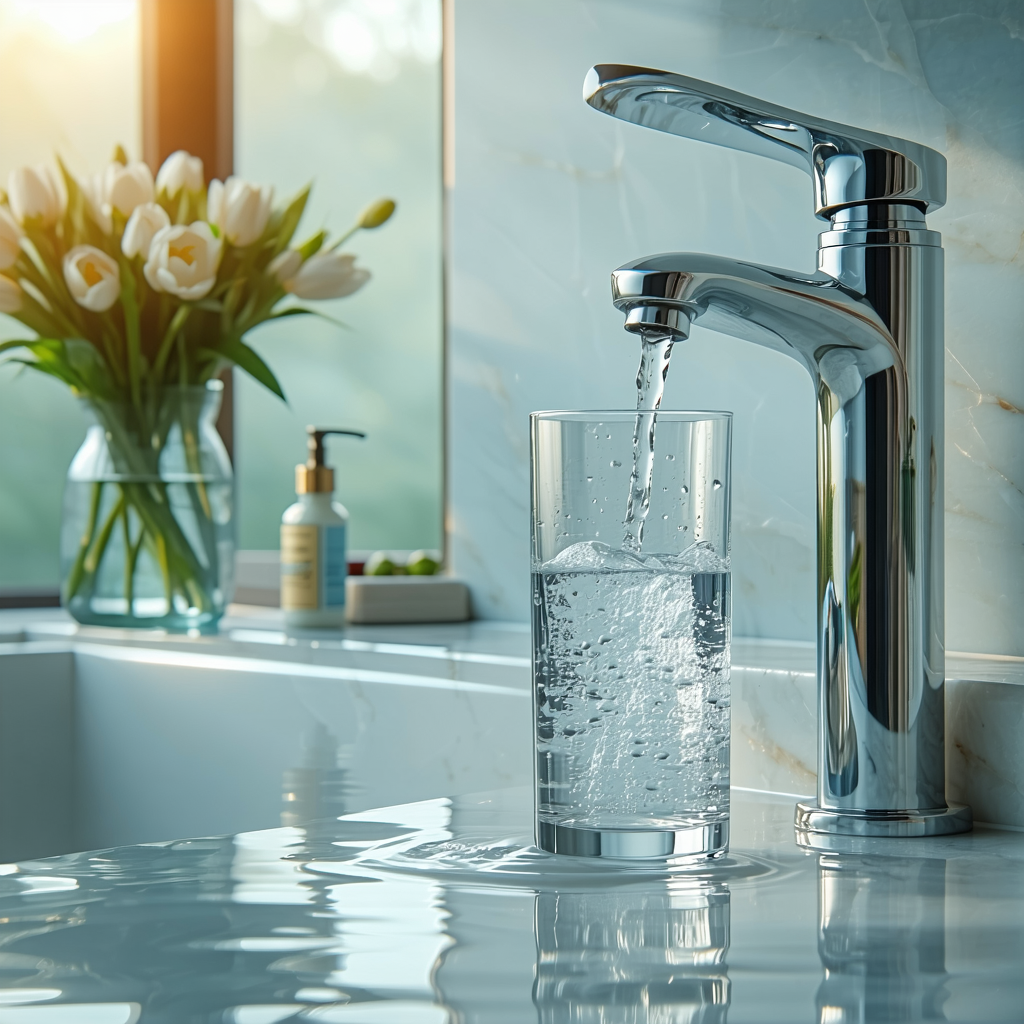
Spring water vs filtered tap – which one should you drink?
When it comes to spring water vs filtered tap, the honest answer is that both can be excellent sources of hydration – the better choice depends on your local water quality, your budget, and what minerals you want in your glass. Spring water delivers naturally occurring minerals straight from the source, while filtered tap water removes contaminants and is far more affordable and sustainable. I have found that understanding a few key differences makes the decision much easier than most articles suggest.
Table of contents
- What is spring water
- What is filtered tap water
- Mineral content compared
- Contaminants and safety
- Taste and everyday experience
- Cost and environmental impact
- Which filter type works best
- Who might benefit from spring water
- How to make your final decision
- Frequently asked questions
What is spring water
Spring water comes from an underground aquifer that flows naturally to the surface, or is collected at the point where it would naturally emerge. The U.S. Food and Drug Administration requires bottled spring water to be collected only at the spring or through a borehole tapping the same underground formation.
Because it passes through layers of rock and sediment, spring water picks up minerals like calcium, magnesium, potassium, and bicarbonate along the way. Those minerals are part of what gives different spring waters their distinct taste and, for some people, a perceived health benefit.
It is worth noting that “spring water” on a label does not automatically mean pristine mountain purity. The source still needs to be tested and protected from contamination, and quality varies widely by brand and region.
What is filtered tap water
Filtered tap water starts as municipal tap water – which is already treated to meet EPA National Primary Drinking Water Regulations – and then passes through an additional home filtration system. Common filter types include activated carbon, reverse osmosis (RO), ceramic, and ultraviolet (UV) systems.
Each filter type targets different things. Activated carbon is excellent at reducing chlorine taste and some organic compounds. Reverse osmosis removes a broader spectrum of contaminants including heavy metals, nitrates, and fluoride. UV systems are particularly strong against bacteria and viruses.
The result is water that has already met a legal safety standard and then had another layer of purification applied. In my own routine, I use a countertop activated carbon filter, and the difference in taste compared to straight tap was noticeable within the first week.
Spring water vs filtered tap – mineral content compared
Mineral content is one of the most talked-about differences in the spring water vs filtered tap debate. Spring water naturally contains minerals absorbed from rock formations. Filtered tap water retains most of those minerals unless you use reverse osmosis, which strips nearly everything out.
Typical mineral ranges you might see
- Calcium: Spring water often ranges from 20 to 100 mg per liter – filtered tap water varies by source but is usually similar unless RO is used
- Magnesium: Spring water typically provides 5 to 50 mg per liter – RO-filtered water may contain very little
- Sodium: Both are generally low, though some mineral springs are higher
- Fluoride: Often added to municipal water at around 0.7 mg per liter – spring water levels vary naturally
- Bicarbonate: Higher in many spring waters, which may influence taste and digestive comfort for some people
For most people eating a balanced diet, the mineral contribution from water is modest compared to food. Still, some research suggests that water-based magnesium and calcium may be absorbed efficiently, so the difference is not entirely trivial.
If you rely on reverse osmosis at home, remineralizing drops or a post-filter remineralization stage can restore some of what was removed. This is a practical middle ground I have seen work well for people who want the purity of RO but do not want completely stripped water.
Contaminants and safety
Safety is the core issue in any spring water vs filtered tap comparison, and the picture is more nuanced than most marketing suggests.
Municipal tap water safety
Tap water in the United States is regulated under the Safe Drinking Water Act and tested hundreds of times per day at treatment plants. Your utility is required to publish an annual Consumer Confidence Report (CCR) showing what was detected and whether it met legal limits. This transparency is actually a significant advantage over bottled water.
That said, tap water is not perfect. Lead can leach from older pipes between the treatment plant and your tap – a problem made famous in Flint, Michigan. Chlorine byproducts called trihalomethanes (THMs) form when chlorine reacts with organic matter, and some studies suggest long-term high exposure may be worth monitoring. Emerging contaminants like PFAS (“forever chemicals”) are still being regulated.
Spring water safety
Bottled spring water is regulated by the FDA, not the EPA, and testing requirements are less frequent than those for municipal water. A 2019 study published in the journal Water Research found microplastics in the majority of bottled water brands tested globally. The long-term health implications of microplastics are still being studied, but it is a data point worth knowing.
Spring water sources can also be affected by agricultural runoff, industrial activity near the aquifer, and drought conditions that concentrate certain minerals or contaminants. Reputable brands test regularly and publish their water quality reports – I would encourage anyone buying spring water consistently to look those up.
Filtered tap water safety
A well-maintained home filter on already-treated tap water is arguably the safest practical option for most households. The key word is “well-maintained” – a carbon filter past its replacement date can actually harbor bacteria and release contaminants back into the water. Following the manufacturer’s filter change schedule is non-negotiable.
Taste and everyday experience
Taste is subjective, but it is a real factor in whether people actually drink enough water each day. In the spring water vs filtered tap conversation, taste is often what tips the decision.
Spring water tends to have a slightly fuller, sometimes slightly sweet or mineral-forward flavor because of its dissolved mineral content. Many people find it more pleasant to drink straight. Some high-mineral spring waters have a distinct character – think Evian versus a lighter brand like Volvic.
Unfiltered tap water often has a faint chlorine note that some people find off-putting. A basic activated carbon filter removes most of that, and many people find filtered tap water indistinguishable from entry-level bottled water in blind taste tests. I ran an informal one at a dinner party a few years ago, and only one person correctly identified the bottled spring water out of four glasses.
If taste is your primary complaint about tap water, a simple carbon pitcher filter is usually all you need. If you are chasing a specific mineral profile for preference or to support electrolyte intake, a quality spring water may be worth the extra cost.
Cost and environmental impact
The cost difference between spring water vs filtered tap is substantial and deserves its own section.
The numbers
- Municipal tap water: Costs roughly $0.001 to $0.002 per liter in most U.S. cities
- Home filtration: Adds approximately $0.01 to $0.10 per liter depending on filter type and replacement frequency
- Bottled spring water: Typically costs $0.50 to $3.00 per liter at retail – sometimes more for premium brands
Filtered tap water is conservatively 10 to 50 times cheaper than bottled spring water when you account for filter costs. Over a year of drinking two liters per day, that gap becomes very visible in a household budget.
Environmental cost
Plastic bottle production requires significant energy and petroleum inputs. Even when recycled – and in the U.S. only about 29 percent of plastic bottles actually are recycled – the process still carries a carbon footprint. Transporting heavy bottles of water across the country or from overseas adds more emissions.
Home filtration has its own footprint – filter cartridges do end up in landfills – but the volume of plastic waste is dramatically lower than single-use bottles. Stainless steel or glass reusable bottles paired with filtered tap water represent the lowest-impact option in practical terms.
For people who care about sustainability, this is often the deciding factor in the spring water vs filtered tap debate. The filtered tap side wins on environmental impact in most realistic scenarios.
Which filter type works best
Not all home filters are created equal. Choosing the right one depends on what your tap water actually contains and what your goals are.
Activated carbon filters
Best for: chlorine taste, chloramine, some volatile organic compounds (VOCs), and basic sediment. These are the most common and affordable – pitcher filters like Brita and faucet-mounted units typically use activated carbon. They do not remove heavy metals, nitrates, fluoride, or dissolved solids effectively.
Reverse osmosis systems
Best for: comprehensive contaminant removal including lead, arsenic, nitrates, fluoride, PFAS, and most dissolved solids. RO systems produce very pure water but also waste water in the process – typically 3 to 4 gallons of wastewater for every gallon of filtered water. They also remove beneficial minerals, so a remineralization stage is worth considering.
Ceramic filters
Best for: bacteria, cysts, and sediment. Often used in gravity-fed countertop systems. Good for areas with biological contamination concerns but less effective against chemical contaminants on their own.
UV purifiers
Best for: killing bacteria, viruses, and protozoa without adding chemicals. UV does not remove particulate matter or dissolved chemicals, so it is usually paired with another filter type for comprehensive treatment.
My recommendation for most households is a two-stage system combining activated carbon with either a KDF (kinetic degradation fluxion) stage or a sub-micron carbon block. This handles the most common issues without the complexity or water waste of full RO. If you have confirmed lead or PFAS issues, RO is worth the investment.
Who might benefit from spring water
While filtered tap water is the practical winner for most people, there are situations where spring water makes genuine sense in the spring water vs filtered tap comparison.
People in areas with known water quality issues
If your tap water has confirmed contamination – lead from old pipes, agricultural nitrates in a rural well, or PFAS from nearby industrial sites – and you do not yet have a proper filter installed, quality bottled spring water is a reasonable short-term solution. It is not a permanent fix, but it is a practical bridge.
People who want specific mineral profiles
Some people find that high-magnesium spring waters may support muscle recovery after exercise, or that bicarbonate-rich waters sit more comfortably on their digestion. The evidence here is preliminary, but anecdotally many athletes and wellness-focused individuals prefer specific spring water brands for these reasons. There is nothing wrong with that preference if it fits your budget.
Infants and formula preparation
Some pediatric guidance suggests using low-fluoride water for formula preparation to avoid excess fluoride intake in infants. Certain spring waters are naturally low in fluoride, which can make them a practical choice in this specific context. Always check the label and consult your pediatrician.
Travelers and emergency preparedness
When tap water access is uncertain – traveling internationally, after a natural disaster, or in a power outage – sealed bottled spring water provides a reliable, pathogen-free option. Keeping a small supply on hand for emergencies is sensible regardless of your everyday water choice.
How to make your final decision
The spring water vs filtered tap decision does not need to be permanent or all-or-nothing. Here is a practical framework I suggest to anyone asking me about this.
Step 1 – Read your tap water report
Download your municipality’s Consumer Confidence Report from your utility’s website or the EPA’s database. Look for any contaminants that exceed or approach action levels – particularly lead, nitrates, THMs, and PFAS if your area has industrial history. This one step gives you real data instead of assumptions.
Step 2 – Match a filter to your actual issues
If your report looks clean and you just dislike the chlorine taste, a $30 pitcher filter solves your problem. If you see elevated lead or PFAS, invest in a certified RO system. Buying a filter based on fear rather than data is how people overspend on solutions they do not need.
Step 3 – Decide on spring water as a complement, not a replacement
Some people keep filtered tap water as their everyday hydration and use a quality spring water for specific purposes – a bottle at the gym, a preferred brand for guests, or a high-mineral option post-workout. This hybrid approach is practical and cost-conscious.
Step 4 – Test your well if you are on private water
If you are not on municipal water, the EPA and your state health department strongly recommend annual testing of private wells. Well water is not regulated the way municipal water is, and contamination from septic systems, agriculture, or geology can appear without any visible or taste indicator. In this case, the spring water vs filtered tap comparison shifts – your “tap” water needs its own assessment first.
Quick decision summary
- Budget-conscious everyday hydration: Filtered tap water wins clearly
- Environmental priority: Filtered tap water with a reusable bottle wins
- Taste preference and mineral profile: Spring water may be preferred
- Confirmed contamination, no filter yet: Bottled spring water as a short-term bridge
- Infant formula preparation: Low-fluoride spring water or filtered tap – check fluoride levels
- Travel and emergencies: Sealed bottled water is practical and reliable
Frequently asked questions
Is spring water healthier than filtered tap water?
Not necessarily. Both can be very healthy choices. Spring water offers naturally occurring minerals, while filtered tap water may have fewer contaminants depending on your filter type. For most people with access to treated municipal water and a decent home filter, filtered tap water is a safe, nutritious, and practical option. The idea that spring water is inherently superior is partly marketing.
Does filtered tap water remove all contaminants?
It depends on the filter. Activated carbon removes chlorine, some VOCs, and taste compounds but does not remove heavy metals or PFAS. Reverse osmosis removes a much broader range including lead, arsenic, fluoride, and PFAS. No filter removes 100 percent of everything, which is why knowing what is actually in your water matters before choosing a system.
Is spring water vs filtered tap water a meaningful difference for athletes?
For most recreational exercisers, the difference is minimal. Some athletes prefer high-magnesium or high-bicarbonate spring waters because those minerals may support muscle function and buffering of lactic acid. The evidence is not conclusive, but if you are training intensively and prefer the taste and mineral profile of a specific spring water, it is a reasonable choice. Hydration consistency matters more than the source for most people.
Can I drink tap water directly without filtering it?
In most U.S. cities with modern infrastructure, yes – tap water meets legal safety standards and is safe to drink unfiltered. The main reasons to filter are taste preference, older building pipes that may leach lead, or specific local contaminants flagged in your Consumer Confidence Report. If your report shows no issues and you do not mind the taste, unfiltered tap water is a perfectly reasonable choice.
How often should I replace my water filter?
This varies by filter type and water usage. Most activated carbon pitcher filters need replacement every 40 to 60 gallons, which is roughly every 1 to 2 months for a typical household. Under-sink carbon filters often last 6 months. RO membrane filters typically last 2 to 3 years, though pre-filters need more frequent changes. Always follow the manufacturer’s schedule – an expired filter can become a contamination source rather than a protection against one.
Is bottled spring water regulated more strictly than tap water?
No – tap water is actually regulated more strictly in terms of testing frequency. The EPA requires municipal water to be tested hundreds of times per day and results to be reported publicly. The FDA regulates bottled spring water but requires less frequent testing and does not mandate the same level of public reporting. This does not mean bottled water is unsafe, but the regulatory transparency is greater on the tap water side.
What is the best way to store filtered tap water?
Glass or stainless steel containers are the best options for storing filtered tap water. Plastic containers, especially when exposed to heat or sunlight, can leach compounds into the water over time. Keep stored water in a cool, dark place and refresh it regularly – filtered water without chlorine residual does not have the same shelf life as treated tap water and is best consumed within a day or two if kept at room temperature.
For more practical wellness ideas, browse the Health Living Today guide library.