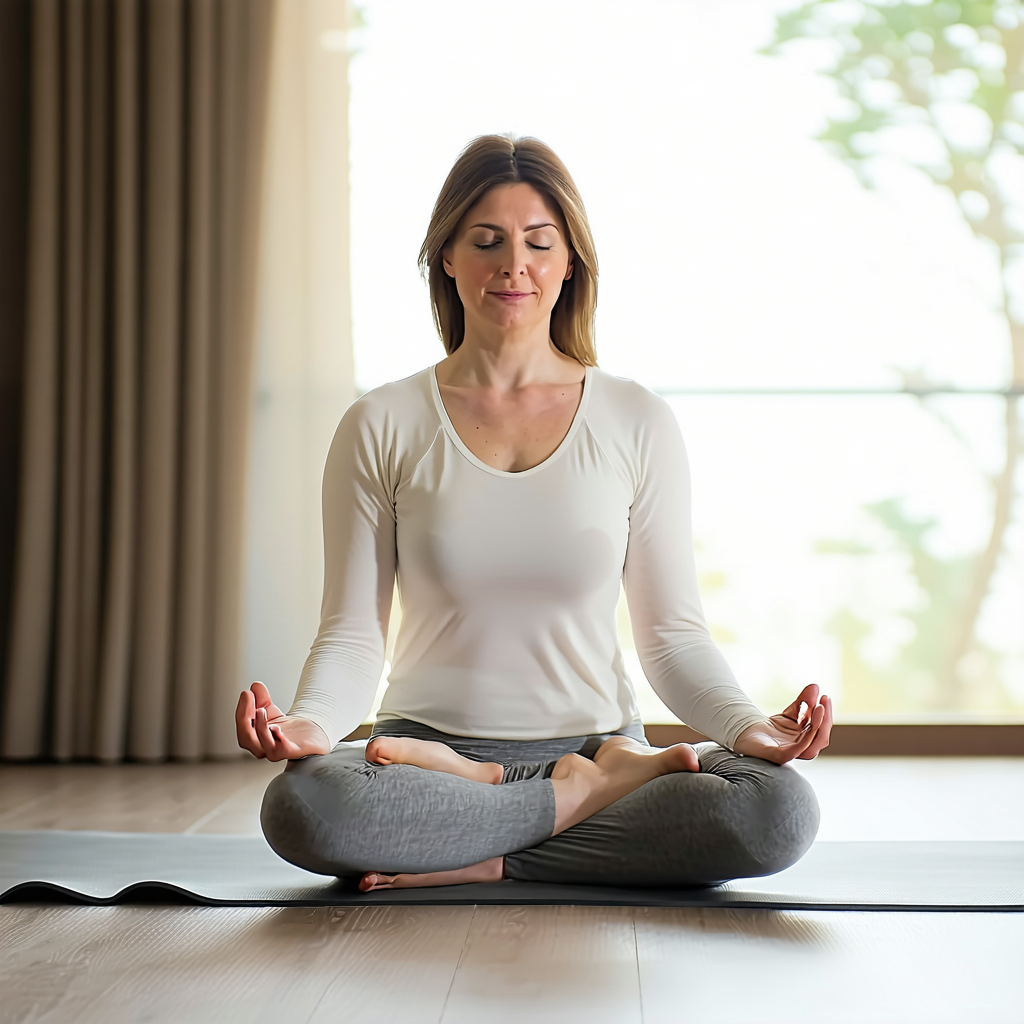
Breathwork vs meditation – which one is right for you?
Breathwork and meditation are both powerful tools for managing stress and building mental clarity, but they work in different ways and suit different people at different times. In my own experience, breathwork tends to produce faster, more physical results, while meditation builds a quieter, more sustainable inner steadiness. Understanding the breathwork vs meditation distinction clearly can help you choose the right practice – or combine both – without wasting time on approaches that do not fit your life.
Table of contents
- What is breathwork
- What is meditation
- Breathwork vs meditation – core differences
- How each affects your nervous system
- Benefits of breathwork
- Benefits of meditation
- Side-by-side comparison
- Which one suits your goal
- Can you do both
- How to start a breathwork practice
- How to start a meditation practice
- Common mistakes to avoid
- Frequently asked questions
What is breathwork
Breathwork is the deliberate, active manipulation of your breathing pattern to change your physical or mental state. Unlike normal unconscious breathing, breathwork asks you to consciously control the speed, depth, rhythm, or ratio of your inhales and exhales.
There are many styles. Some of the most widely practiced include box breathing, diaphragmatic breathing, the Wim Hof method, holotropic breathwork, and the 4-7-8 technique. Each targets slightly different outcomes, from quick stress relief to deeper emotional processing.
The common thread across all styles is active engagement. You are doing something with your breath rather than simply observing it.
What is meditation
Meditation is a broad family of mental training practices that cultivate focused attention, open awareness, or a particular quality of mind such as compassion or equanimity. Most forms involve sitting quietly and directing attention – usually to the breath, a word, a sound, or a body sensation – without trying to force any particular outcome.
Common styles include mindfulness meditation, loving-kindness meditation, transcendental meditation, body scan, and visualization. The breath often appears in meditation as an anchor point, but the goal is not to change the breath – it is to train the mind.
Where breathwork is active, meditation is largely receptive. You observe rather than direct.
Breathwork vs meditation – core differences
When people ask about breathwork vs meditation, the most important distinction is the level of active control involved. In breathwork, you are the driver. In meditation, you step back and watch the road.
A second key difference is the speed of noticeable effect. Breathwork can shift your physiological state – heart rate, blood pressure, cortisol – within minutes. Meditation tends to produce more gradual changes that compound over weeks and months of consistent practice.
A third difference is accessibility. Many people find breathwork easier to start because it gives the mind a concrete task. Sitting still and observing thoughts without reacting to them is a skill that takes real time to develop.
Active vs receptive practice
Breathwork is an active practice. You follow a specific pattern, count seconds, or breathe in a rhythm. This gives anxious or restless minds something to do, which is one reason many people find it easier to enter a calm state quickly through breathwork.
Meditation is a receptive practice. You create conditions for the mind to settle on its own. This is harder at first but builds a more flexible, durable skill – the ability to stay grounded in any situation, not just during a dedicated breathing session.
Immediate vs cumulative benefits
Breathwork excels at producing immediate, measurable shifts. A five-minute box breathing session before a difficult meeting can noticeably lower tension in the moment. Meditation is more like strength training – the session itself may feel unremarkable, but the long-term structural changes to attention and emotional regulation are well documented.
How each affects your nervous system
Both practices influence the autonomic nervous system, which governs the body’s stress and recovery responses. Understanding this is the clearest way to see why breathwork vs meditation is not simply a matter of preference – they operate through partly overlapping but distinct mechanisms.
Slow, extended exhales activate the parasympathetic branch of the nervous system – sometimes called the rest-and-digest system. This is why slow breathing techniques can reduce heart rate and lower the sense of urgency or panic relatively quickly. The National Center for Complementary and Integrative Health notes that both meditation and breathing-based practices are associated with measurable changes in stress-related physiology.
Meditation also shifts nervous system tone over time, but through a different route – by training the prefrontal cortex to modulate the amygdala’s alarm response. This is a slower process but one that may produce broader resilience across daily life.
Some breathwork styles, such as the Wim Hof method or holotropic breathwork, actually activate the sympathetic nervous system first, creating a controlled stress response that some practitioners find deeply releasing. This is quite different from the calming arc of most meditation.
Benefits of breathwork
I have found that breathwork is particularly useful during high-stress periods when sitting quietly feels impossible. A few minutes of structured breathing can interrupt a stress spiral in a way that feels concrete and achievable.
Here are some of the most consistently reported benefits:
- Rapid reduction in acute stress and anxiety symptoms
- Improved heart rate variability, a marker of nervous system flexibility
- Better sleep quality when practiced as part of a wind-down routine
- Increased energy and alertness from activating styles like cyclic hyperventilation
- Greater body awareness and connection to physical sensations
- Emotional release – some people find that breathwork surfaces and moves stuck feelings
- Improved focus and cognitive performance in the short term
Research published in peer-reviewed journals has found that slow-paced breathing at around five to six breaths per minute – sometimes called resonance breathing – may support cardiovascular function and reduce self-reported anxiety. These are not dramatic miracle claims, but they are consistent across multiple studies.
Benefits of meditation
Meditation’s benefits are among the most studied in the wellness space. Decades of research, including large meta-analyses, support its role in reducing anxiety and depressive symptoms, improving attention, and building emotional resilience.
Some of the most reliably reported benefits include:
- Reduced rumination and worry over time
- Improved sustained attention and working memory
- Greater emotional regulation – less reactivity to triggers
- Increased self-awareness and insight into habitual thought patterns
- Better sleep quality, particularly through body scan and mindfulness practices
- A general sense of wellbeing and life satisfaction that builds gradually
- Possible structural changes in brain regions associated with attention and emotion
One thing I notice in my own meditation practice is that benefits are subtle at first. You do not feel dramatically different after a single session. But after a few weeks of daily practice, other people start commenting that you seem calmer, and you notice you are less hijacked by small frustrations.
Side-by-side comparison
Here is a direct comparison to help you see where breathwork vs meditation differs in practical terms:
- Primary mechanism: Breathwork – physiological, via breath rate and pattern. Meditation – neurological, via attention training.
- Effort level: Breathwork – active, requires following a pattern. Meditation – receptive, requires sustained non-reactive attention.
- Speed of effect: Breathwork – minutes. Meditation – weeks to months of consistent practice.
- Best for acute stress: Breathwork wins here.
- Best for long-term resilience: Meditation has stronger long-term evidence.
- Equipment needed: Neither – both are free and require no tools.
- Beginner friendliness: Breathwork is often easier to start. Meditation requires tolerating mental discomfort early on.
- Risk of side effects: Some breathwork styles can cause lightheadedness or emotional overwhelm if overdone. Meditation is generally very low risk.
- Can overlap: Yes – breath-focused meditation is a hybrid of both.
Which one suits your goal
Choosing between breathwork vs meditation comes down to what you are trying to accomplish and what your current mental state allows.
If you want fast stress relief
Breathwork is usually the better first tool. If you are overwhelmed, anxious, or unable to sit still, a structured breathing technique gives your nervous system a direct physiological signal to downshift. Box breathing – four counts in, four counts hold, four counts out, four counts hold – is a good starting point that requires almost no prior experience.
If you want to build long-term emotional resilience
Meditation is the stronger investment. The evidence for sustained practice reducing anxiety, improving attention, and increasing emotional stability is robust. If you can commit to ten to fifteen minutes a day for eight weeks, most people notice meaningful change.
If you want to process difficult emotions
Some breathwork styles, particularly holotropic breathwork or connected breathing, are specifically designed to move emotional material. Some people find that breathwork surfaces emotions that meditation practice then helps them observe with more equanimity. The two can work together well in this context.
If you have limited time
Breathwork can deliver noticeable results in three to five minutes. A meaningful meditation session typically needs at least ten minutes to settle the mind and gain any traction. If your schedule is tight, breathwork may fit more easily into daily life.
If you want a spiritual or contemplative dimension
Meditation has deeper roots in contemplative traditions and tends to be the practice that people describe as transformative at a deeper level over years of practice. Breathwork can produce profound experiences, but meditation is more consistently associated with long-term shifts in perspective and identity.
Can you do both
Yes, and in my experience combining breathwork and meditation is often more effective than relying on either alone. This is one area where the breathwork vs meditation framing can actually mislead people into thinking they must choose.
A practical combination that I have used myself: start a session with five minutes of slow diaphragmatic breathing to settle the nervous system, then transition into ten to fifteen minutes of mindfulness meditation. The breathwork lowers the baseline noise in the mind, which makes the meditation feel more accessible and productive.
Many established meditation traditions already integrate breathing as a central focus. Anapanasati, a Pali term meaning mindfulness of breathing, is one of the oldest recorded meditation instructions and sits squarely at the intersection of both practices.
You can also use them at different times of day for different purposes. A two-minute box breathing session before a stressful meeting, and a fifteen-minute mindfulness sit in the evening – these serve different functions and do not compete with each other.
How to start a breathwork practice
Starting breathwork does not require a course, an app, or special equipment. Here is a simple approach:
- Pick one technique to start. Box breathing or 4-7-8 breathing are both well-documented and beginner-friendly. Avoid starting with intense styles like holotropic breathwork without guidance.
- Set a short, fixed time. Start with three to five minutes. Consistency matters more than duration early on.
- Find a comfortable position. Sitting upright with a straight spine tends to support fuller breathing, but lying down works fine too.
- Practice at the same time each day. Morning or before bed are both popular anchors. Attaching it to an existing habit helps it stick.
- Notice the after-state. Take thirty seconds after your session to observe how you feel. This builds the association between the practice and its effect, which motivates continued practice.
A personal note: the first time I tried box breathing seriously, I was sitting in a parked car before a difficult conversation I had been dreading for days. Four minutes of structured breathing genuinely shifted something – not the situation, but my relationship to it. That experience made me take breathwork much more seriously.
How to start a meditation practice
Meditation has a steeper initial learning curve than breathwork, but the barrier is mostly psychological. Here is how to make it as straightforward as possible:
- Start with guided sessions. Apps like Insight Timer offer free guided meditations at every level. Following a guide removes the uncertainty of what you are supposed to be doing.
- Begin with ten minutes. Shorter than that and the mind barely has time to settle before the session ends. Longer than that and beginners often feel frustrated by restlessness.
- Use the breath as your anchor. Simply notice the physical sensation of breathing – the air entering and leaving, the rise and fall of the chest or belly. When the mind wanders, gently return. That return is the practice.
- Do not judge the quality of sessions. A session full of wandering thoughts is not a bad session. Noticing that you wandered and returning is exactly what builds the skill.
- Track your streak loosely. Not obsessively, but a simple habit tracker helps you see consistency building. Eight weeks of daily practice is a commonly used research benchmark for noticing meaningful change.
Common mistakes to avoid
Whether you are exploring breathwork vs meditation or trying to combine both, a few common errors tend to undermine progress.
Expecting immediate results from meditation
Meditation’s benefits are real but slow. Many people quit after two weeks because they do not feel dramatically different. Some people find it useful to journal briefly after sessions to notice subtle shifts that are easy to miss in the moment.
Overdoing intense breathwork styles
Techniques that involve rapid or prolonged hyperventilation can cause lightheadedness, tingling, or in rare cases more significant responses. If you are new to breathwork, start with slow, gentle techniques and work up gradually. If you have cardiovascular conditions or are pregnant, speak with a healthcare provider before trying intense styles.
Treating them as interchangeable
In the breathwork vs meditation conversation, it is tempting to think one can fully replace the other. They overlap but they are not the same. Using breathwork as your only tool may leave you dependent on structured sessions for calm, without developing the free-floating resilience that meditation tends to build.
Practicing inconsistently and expecting results
Both practices reward consistency over intensity. Three minutes of breathwork every day will produce more lasting change than a thirty-minute session once a week. The same is true of meditation. Small daily doses compound over time in ways that sporadic long sessions do not.
Skipping the basics to chase advanced techniques
Many people read about advanced breathwork protocols or complex meditation styles and jump straight to them without establishing a foundation. Diaphragmatic breathing and simple breath-focused mindfulness are genuinely powerful. Mastering the basics serves you better than collecting techniques you never practice consistently.
Frequently asked questions
Is breathwork the same as meditation?
No, breathwork and meditation are related but distinct practices. Breathwork involves actively controlling your breathing pattern to change your physiological or emotional state. Meditation involves training attention and awareness, often using the breath as an anchor but without deliberately altering it. Some practices, like mindfulness of breathing, sit at the overlap between the two, but they are not the same thing.
Which is better for anxiety – breathwork or meditation?
Both may support anxiety management, and the best choice depends on the type of anxiety and the timeframe. For acute, in-the-moment anxiety, breathwork – particularly slow exhale-focused techniques – tends to produce faster relief because it directly influences the autonomic nervous system. For reducing baseline anxiety over time, consistent meditation practice has strong research support. Many people find that using breathwork for acute moments and meditation for long-term resilience works well.
Can beginners do breathwork and meditation at the same time?
Yes. Starting with a few minutes of simple breathwork before transitioning into a short meditation is a practical approach that many beginners find helpful. The breathwork settles the nervous system and gives the restless mind something to do, which can make the meditation feel more accessible. Keep both elements short at first – three to five minutes of breathwork followed by ten minutes of meditation is a reasonable starting combination.
How long does it take to see results from breathwork vs meditation?
Breathwork can produce noticeable results within a single session – reduced heart rate, lower perceived stress, improved focus. These effects are real but temporary without ongoing practice. Meditation typically requires four to eight weeks of daily practice before most people notice meaningful shifts in emotional regulation and attention. Long-term practitioners of both report benefits that continue to deepen over years.
Is breathwork safe for everyone?
Gentle, slow breathwork techniques are generally considered safe for most healthy adults. More intense styles that involve rapid or prolonged hyperventilation carry a higher risk of side effects including lightheadedness, tingling, or emotional overwhelm. People with cardiovascular conditions, epilepsy, or who are pregnant should consult a healthcare provider before practicing intense breathwork styles. Simple techniques like diaphragmatic breathing or box breathing are low-risk starting points for most people.
Do I need an instructor for breathwork or meditation?
For most beginner-friendly techniques, no instructor is required. Guided audio or video resources are widely available and work well for both practices. If you want to explore more intense breathwork styles or deep contemplative meditation traditions, working with an experienced teacher can add safety, accountability, and depth. For everyday stress management and general wellbeing, self-guided practice with reliable resources is a reasonable and practical approach.
What is the best time of day to practice breathwork vs meditation?
There is no universally best time – consistency matters more than timing. Many people find that morning practice sets a useful tone for the day. Evening practice, particularly slow breathwork or a body scan meditation, may support better sleep. Some people use a short breathwork session as a midday reset. The best time is whichever time you will actually practice regularly without it feeling forced or rushed.
For more practical wellness ideas, browse the Health Living Today guide library.