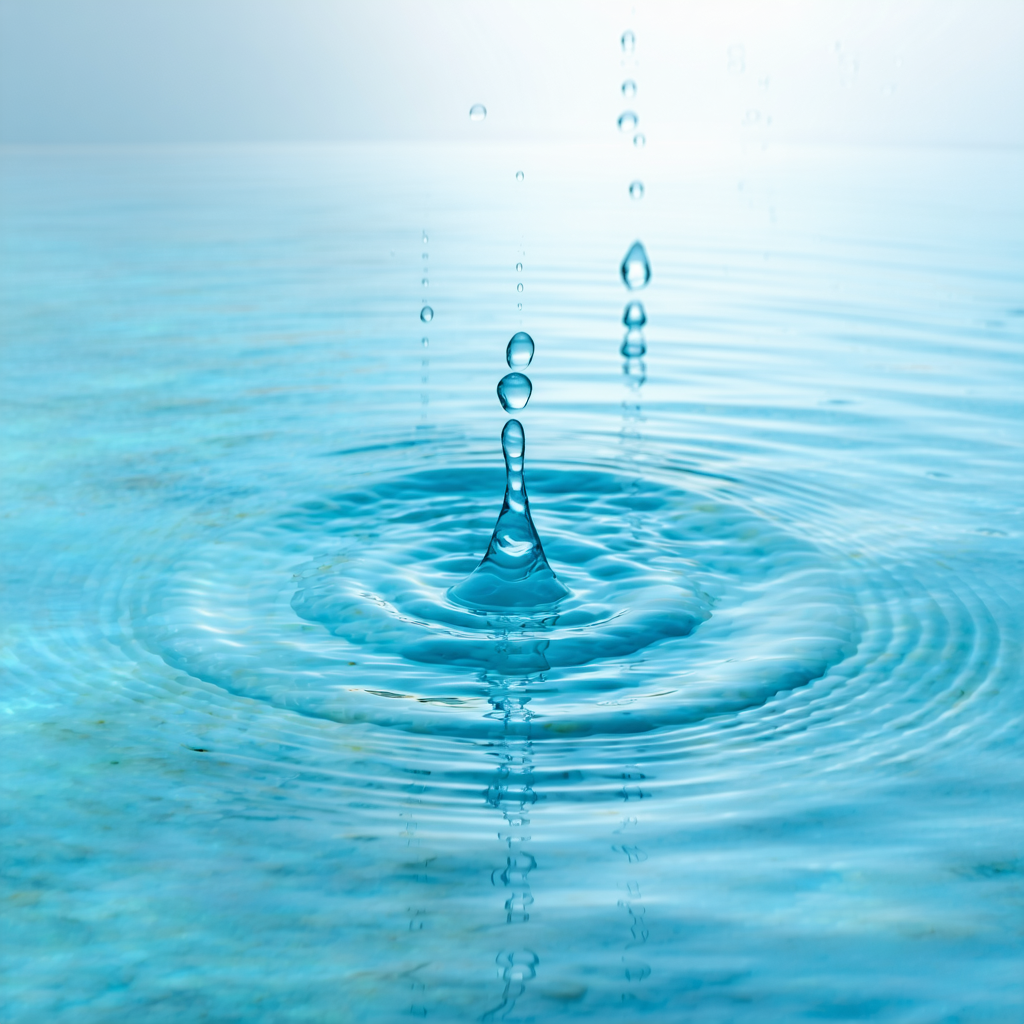
What is vortex water revitalisation and does it work?
Vortex water revitalisation is the practice of spinning or swirling water in a spiral motion – mimicking the natural movement of water in streams and rivers – with the goal of improving its structure, taste, and potential wellness benefits. The evidence base is still emerging, and mainstream science does not yet confirm all the claims made by enthusiasts, but a growing number of people report noticeable differences in taste and how they feel when drinking water that has been vortexed. I have found it to be a low-cost, low-effort addition to a daily hydration habit that is at least worth understanding properly.
Table of contents
- What is vortex water revitalisation
- The science behind water structuring
- How vortexing is thought to work
- Methods for vortex water revitalisation at home
- What the research actually says
- Practical benefits people report
- How to build a vortex water revitalisation routine
- Choosing a vortex device or DIY approach
- Combining with other hydration habits
- Common mistakes to avoid
- Frequently asked questions
What is vortex water revitalisation
Vortex water revitalisation refers to a process of deliberately creating a spinning, funnel-shaped motion in water – a vortex – to restore properties that proponents believe are lost during standard municipal treatment, long pipe travel, or storage in static containers.
The idea draws inspiration from the work of Austrian naturalist Viktor Schauberger, who observed in the early twentieth century that water in fast-moving mountain streams behaved differently from stagnant or pipe-delivered water. He described natural water as carrying a kind of vitality that was diminished by straight pipes and chemical treatment.
In practical terms, vortex water revitalisation involves either a dedicated device that spins water through a spiral chamber, or a simple manual technique of stirring water in alternating circular directions. Both approaches aim to replicate the natural spiral movement water makes when flowing freely.
The science behind water structuring
Structured water – what researchers are exploring
The concept most often linked to vortex water revitalisation is structured water, sometimes called EZ water (exclusion zone water). Researcher Gerald Pollack at the University of Washington has published work suggesting that water near hydrophilic surfaces forms a fourth phase – neither liquid, gas, nor solid – with a different molecular arrangement from bulk water.
Pollack’s research, outlined in his book The Fourth Phase of Water, describes this exclusion zone as carrying a negative charge and behaving more like a gel. Some proponents of vortex water revitalisation argue that vortexing encourages water to adopt or maintain a more structured state similar to EZ water.
It is worth being clear: mainstream chemistry does not currently accept structured water as a proven, stable phenomenon in drinking water under normal conditions. However, Pollack’s laboratory findings are peer-reviewed, and the University of Washington’s research on this topic is ongoing. You can read more about hydration and cellular health via resources such as the NHS guidance on water and hydration.
What happens to water at the molecular level during vortexing
When water spins in a vortex, several physical changes occur that are measurable and accepted by conventional science. Dissolved oxygen levels can increase. Surface tension may decrease slightly. Gas molecules trapped in the water are redistributed.
Some researchers have also noted that vortex motion can help break up loose mineral clusters that form during storage. Whether these changes produce meaningful health differences is the question that remains genuinely open.
How vortexing is thought to work
The core mechanism proposed by vortex water revitalisation advocates is that water has a kind of memory or structural preference shaped by its movement history. Tap water, having traveled through straight pressurised pipes and been treated with chlorine or chloramine, is said to carry a disordered or stressed structure.
Vortexing is thought to reset or revitalise this structure by creating the same spiral geometry found in natural water flows. The spiral is significant because it is the most energy-efficient path water takes in nature – think of a river bending around a curve or water draining from a bath.
Proponents suggest that vortex water revitalisation may restore the water’s natural electromagnetic properties, increase bioavailability of minerals, and reduce the energetic imprint of pollutants even after chemical filtration has removed the pollutants themselves. These are the more speculative claims, and I want to be honest that they are not backed by robust clinical trials at this stage.
Methods for vortex water revitalisation at home
Manual stirring technique
The simplest approach to vortex water revitalisation requires nothing more than a glass or jug and a spoon. Stir the water briskly in one direction until a clear funnel forms in the centre, then reverse direction and stir again. Repeat this alternating motion for thirty to sixty seconds.
I started with this method before investing in any equipment. I used a tall glass jug and a long wooden spoon each morning. Whether it was the ritual itself, the placebo effect, or something more, I noticed I was drinking more water during the day – partly because I was paying more attention to it.
Vortex pitchers and jugs
Purpose-built vortex pitchers use a built-in spiral insert or impeller to create the vortex as water is poured through. These are affordable – typically ranging from around twenty to eighty pounds or dollars depending on the brand – and make vortex water revitalisation easy to incorporate into a morning routine.
Most vortex pitchers also include mineral stones or ceramic inserts that are claimed to further enhance the water. Whether those additions contribute meaningfully is debated, but the vortex action itself is consistent with the basic mechanical principles involved.
Electronic vortex devices
At the higher end of the market, electronic vortex water revitalisation devices attach to a tap or sit inline with a water filter system. They use motorised impellers or magnetic fields to create continuous spiral motion as water flows through.
These devices range from a few hundred to several thousand dollars. For most people starting out, a manual or pitcher-based approach is a sensible first step before committing to significant expense.
Comparison of vortex water revitalisation methods
- Manual stirring – Cost: free. Effort: moderate. Consistency: low. Best for: beginners testing the concept.
- Vortex pitcher or jug – Cost: low to moderate. Effort: low. Consistency: high. Best for: daily home use.
- Inline electronic device – Cost: high. Effort: very low. Consistency: very high. Best for: committed users or whole-house application.
- Vortex tap attachment – Cost: moderate. Effort: low. Consistency: high. Best for: kitchen sink use without full system investment.
What the research actually says
Honest engagement with vortex water revitalisation means acknowledging that the evidence is mixed and that much of the supporting research comes from outside mainstream peer-reviewed journals or from researchers who have a commercial interest in the field.
That said, there are some genuinely interesting findings worth noting. A small number of agricultural studies have found that vortexed or structured water applied to crops can improve germination rates and plant growth compared to untreated tap water. These studies are preliminary, but they are reproducible enough to be taken seriously by some researchers.
In human health terms, there are no large-scale randomised controlled trials confirming that vortex water revitalisation produces measurable physiological benefits. What does exist is a body of anecdotal evidence, some small observational studies, and the foundational physics research on water behaviour that makes the broader hypothesis at least plausible.
The honest position is this: vortex water revitalisation is unlikely to cause harm, may improve taste for some people, and sits within a broader field of water science that serious researchers are still actively investigating. It should not replace medical care, proper filtration, or basic hydration – but it can sit comfortably alongside those things.
Practical benefits people report
Across forums, wellness communities, and user reviews of vortex water revitalisation products, several consistent themes emerge in what people say they experience.
Taste and texture
The most commonly reported change from vortex water revitalisation is improved taste – water described as softer, smoother, or less flat. Some people say it tastes more like fresh spring water. This is plausible from a physics standpoint because vortexing does alter dissolved gas content and may reduce chlorine off-gassing, both of which affect taste.
Increased daily water intake
A number of people find that water treated through a vortex water revitalisation process is easier to drink in larger quantities. Some describe feeling less bloated after drinking it. Whether this is a structural effect or simply the result of better-tasting water is hard to say – but either way, drinking more water is generally a positive outcome.
Digestive comfort
Some people report that vortex water revitalisation may support more comfortable digestion, particularly when drinking water with meals. This is one of the more speculative reported benefits, and individual results vary considerably.
General sense of wellbeing
A broader sense of feeling more hydrated or more energised is mentioned by some regular users of vortex water revitalisation. This is the hardest benefit to evaluate because it is subjective and influenced by many variables, including the simple act of being more intentional about hydration.
How to build a vortex water revitalisation routine
Building a consistent vortex water revitalisation practice does not require an overhaul of your daily habits. The most effective approach is to anchor it to something you already do.
Morning anchor habit
Many people find that preparing their water for the day first thing in the morning works well. Fill your vortex pitcher or jug while the kettle boils, or while you prepare breakfast. The thirty to sixty seconds of stirring or pouring becomes a small meditative moment rather than a chore.
Setting a daily water volume target
General hydration guidance from health organisations suggests that most adults benefit from around 1.5 to 2 litres of water per day, though individual needs vary based on body size, activity level, and climate. Using vortex water revitalisation as your primary water source makes it easier to track intake because you are refilling the same jug.
Pairing with a water quality filter
Vortex water revitalisation works best when the water being vortexed is already clean. I recommend pairing a vortex pitcher with a basic carbon block or reverse osmosis filter. This removes chlorine, heavy metals, and other contaminants before vortexing, so the revitalisation process is not competing with chemical load.
Consistency over intensity
A short, consistent vortex water revitalisation practice every day will likely produce more noticeable personal results than an intensive session once a week. Like most wellness habits, regularity matters more than perfection.
Choosing a vortex device or DIY approach
If you are ready to invest in vortex water revitalisation equipment, there are a few practical considerations worth thinking through before purchasing.
What to look for in a vortex pitcher
- A clearly designed spiral or vortex chamber – not just a standard filter jug with branding
- Food-safe, BPA-free materials throughout
- A capacity that suits your household – typically 1.5 to 3 litres for a single person or couple
- Ease of cleaning, since mineral deposits can build up in the spiral chamber over time
- A reasonable warranty and return policy, especially if you are new to vortex water revitalisation
What to look for in an electronic device
- Independent testing or certification of the vortex mechanism
- Compatibility with your existing plumbing or filter setup
- Clear information about the flow rate and whether it suits household demand
- Customer support and parts availability, since these are longer-term investments
The case for starting with DIY
Before spending money, I genuinely recommend the manual stirring method for two to four weeks. If you notice a difference in taste or in how much water you drink, that is useful information. If you notice nothing, you have lost nothing. Vortex water revitalisation is worth exploring, but it is not worth a large financial commitment before you have a personal sense of whether it resonates with you.
Combining with other hydration habits
Vortex water revitalisation is most effective when it sits within a broader, thoughtful hydration practice rather than being treated as a standalone solution.
Hydration timing
Drinking water first thing in the morning before food or coffee is a habit that many people find genuinely helpful for energy and digestion. Starting that morning water with a vortexed glass is a natural pairing. Drinking a glass before each meal is another simple structure that some people find helps with portion awareness and overall intake.
Mineral balance
If you are using reverse osmosis filtration before vortexing, be aware that RO removes beneficial minerals along with contaminants. Adding a mineral remineralisation stage, or using mineral drops, helps restore a balanced electrolyte profile. Vortex water revitalisation may help the body absorb these minerals more effectively, though this remains a hypothesis rather than a confirmed finding.
Reducing competing habits
Caffeine and alcohol both have mild diuretic effects. This does not mean you need to eliminate them, but being aware that they increase fluid needs is relevant when building a vortex water revitalisation practice. Matching each coffee with a glass of vortexed water is a simple rule that many people find easy to maintain.
Common mistakes to avoid
People new to vortex water revitalisation sometimes make a few avoidable errors that reduce the likelihood of a positive experience.
Expecting immediate dramatic results
Vortex water revitalisation is not a quick fix. Any benefits that occur are likely to be subtle and cumulative. Setting realistic expectations – improved taste, slightly better daily hydration, a more mindful relationship with water – makes for a more sustainable practice.
Vortexing already contaminated water
Vortexing does not filter water. It does not remove bacteria, heavy metals, chlorine, or microplastics. If your tap water quality is poor, address that with appropriate filtration first. Vortex water revitalisation is a refinement step, not a safety step.
Inconsistency
Trying vortex water revitalisation for three days and concluding it does not work is not a fair test. Most people who report positive experiences have been consistent for at least two to four weeks. Build the habit before evaluating the results.
Over-investing too soon
Spending several hundred dollars on an electronic vortex water revitalisation device before trying a basic approach is a common mistake. Start simple, build a practice, and upgrade only if you find real personal value in the habit.
Frequently asked questions
Is vortex water revitalisation scientifically proven?
Not in the way that mainstream medicine defines proof. There is no large-scale, peer-reviewed clinical trial confirming that vortex water revitalisation produces measurable health benefits in humans. However, the underlying physics of water behaviour during vortexing – changes in dissolved oxygen, surface tension, and molecular arrangement – is real and measurable. The health implications of those changes are what remains under investigation.
Can vortex water revitalisation replace a water filter?
No. Vortex water revitalisation does not remove contaminants, bacteria, heavy metals, or chemicals. It should always be used with already-clean water. A quality filter – carbon, ceramic, or reverse osmosis – should come before any vortex water revitalisation step in your water preparation process.
How long should I vortex water for?
For manual stirring, thirty to sixty seconds of alternating circular motion is the most commonly recommended duration. For vortex pitchers, the vortex is typically created during the pouring process itself, which takes a similar amount of time. There is no strong evidence that longer vortexing produces better results.
Does vortexed water lose its structure quickly?
Some proponents of vortex water revitalisation suggest that the structured state of vortexed water is temporary and degrades within hours, particularly if the water is stored in plastic containers or exposed to electromagnetic fields. Using glass storage containers and drinking the water within a few hours of vortexing is the most common recommendation to preserve any structural changes.
Is vortex water revitalisation safe for children?
Vortexing water is a mechanical process that does not add any substances to the water. Provided the water is already clean and safe to drink, vortex water revitalisation is considered safe for all ages. Always ensure the water source itself meets safety standards for children, who can be more vulnerable to waterborne contaminants.
What is the difference between vortex water and alkaline water?
Vortex water revitalisation focuses on the structural and energetic properties of water through spiral motion. Alkaline water, by contrast, refers to water with a higher pH – typically achieved through ionisation or mineral addition. These are distinct concepts, though some premium water systems combine both. Vortex water revitalisation does not significantly alter the pH of water.
Can I vortex water in a blender?
Some people use a blender on a low setting to create a vortex motion in water. This can work as a DIY approach, though the high-speed blades of most blenders create turbulence rather than a clean spiral vortex. A spoon in a tall jug or a dedicated vortex pitcher is likely to produce a more consistent result for vortex water revitalisation purposes.
Where can I learn more about the science of water structure?
Gerald Pollack’s work at the University of Washington is a good starting point for understanding the research behind structured water. His book The Fourth Phase of Water is accessible to non-scientists and covers the EZ water research in detail. For general hydration guidance, the NHS and WHO both publish reliable, evidence-based resources on daily water intake and water quality.
For more practical wellness ideas, browse the Health Living Today guide library.