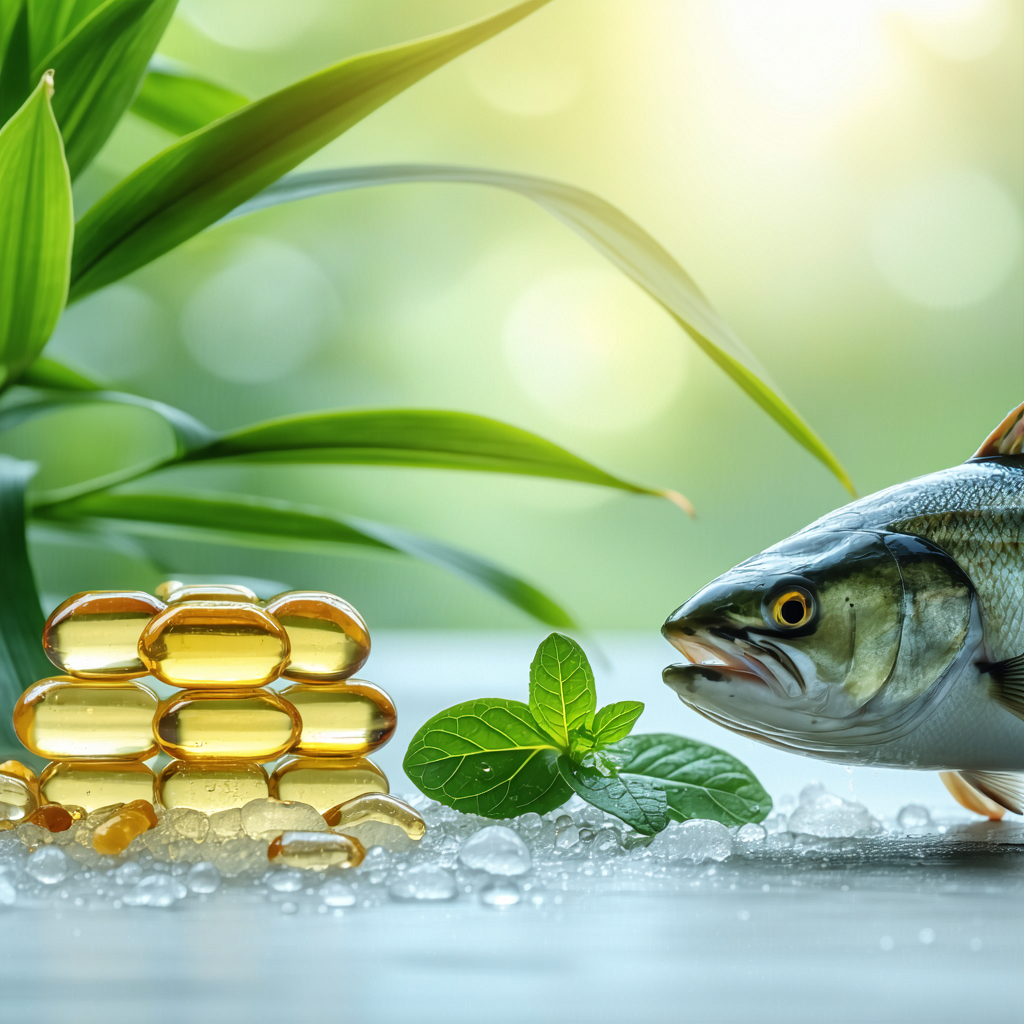
Omega 3 Plant Vs Fish: Which Source Is Right for You?
When comparing omega 3 plant vs fish sources, the short answer is that both can raise your omega-3 status, but they do so through different compounds with very different conversion rates and practical trade-offs. Fish and fish oil deliver ready-to-use EPA and DHA directly, while plant sources supply ALA, which your body must convert – often inefficiently – into those same active forms. Knowing that distinction helps you make a smarter, more personalised choice.
Table of Contents
- What Are Omega-3 Fatty Acids
- Plant Sources of Omega-3
- Fish and Marine Sources of Omega-3
- ALA vs EPA and DHA – The Conversion Problem
- Omega 3 Plant Vs Fish: A Head-to-Head Comparison
- Bioavailability and Absorption
- Sustainability and Ethical Considerations
- Who May Benefit from Each Source
- How Much Do You Actually Need
- Practical Tips for Getting Enough Omega-3
- Algae Oil – The Bridge Between Plant and Fish
- Frequently Asked Questions
What Are Omega-3 Fatty Acids
Omega-3 fatty acids are a family of polyunsaturated fats that play key roles in cell membrane structure, inflammation regulation, and brain function. There are three main types that matter for human health: alpha-linolenic acid (ALA), eicosapentaenoic acid (EPA), and docosahexaenoic acid (DHA).
ALA is classified as an essential fatty acid, meaning your body cannot make it and you must get it from food. EPA and DHA are technically non-essential because the body can synthesise them from ALA – but as I will explain shortly, that process is far from reliable.
Understanding these three types is the foundation of the whole omega 3 plant vs fish debate, because the two categories of food supply fundamentally different members of this family.
Plant Sources of Omega-3
The Main Plant Foods That Provide ALA
Plant-based omega-3 comes almost entirely in the form of ALA. The richest sources are flaxseeds (also called linseeds), chia seeds, hemp seeds, and walnuts. Certain plant oils – flaxseed oil, hemp oil, and perilla oil – are also concentrated sources.
Smaller amounts of ALA appear in green leafy vegetables such as spinach, kale, and Brussels sprouts, though you would need to eat very large quantities to match the amounts in seeds and their oils. Edamame and some seaweeds also contribute modest levels.
I have found that adding two tablespoons of ground flaxseed to my morning porridge is one of the easiest ways to tick the plant-based omega-3 box without any noticeable change in taste. It took me about a week to make it a habit, and now it feels automatic.
ALA Content in Common Plant Foods
- Flaxseeds (ground, 2 tbsp): approximately 3.2 g ALA
- Chia seeds (1 oz / 28 g): approximately 5.0 g ALA
- Walnuts (1 oz / 28 g): approximately 2.6 g ALA
- Hemp seeds (3 tbsp): approximately 2.6 g ALA
- Flaxseed oil (1 tbsp): approximately 7.3 g ALA
- Canola oil (1 tbsp): approximately 1.3 g ALA
Fish and Marine Sources of Omega-3
Why Marine Sources Are Different
Fatty fish and seafood deliver EPA and DHA directly – no conversion required. The fish themselves accumulate these long-chain fatty acids by eating marine algae or smaller fish that eat algae. This is an important point I will return to when discussing algae oil.
The richest fish sources of EPA and DHA include salmon, mackerel, sardines, herring, anchovies, and trout. Tuna contains moderate amounts, while white fish such as cod and haddock are relatively low. Shellfish like mussels and oysters also provide useful amounts.
EPA and DHA Content in Common Fish and Seafood
- Atlantic salmon (3 oz cooked): approximately 1.8 g EPA+DHA
- Mackerel (3 oz cooked): approximately 1.0-1.8 g EPA+DHA
- Sardines, canned in oil (3 oz): approximately 1.4 g EPA+DHA
- Herring (3 oz cooked): approximately 1.7 g EPA+DHA
- Anchovies, canned (2 oz): approximately 0.9 g EPA+DHA
- Rainbow trout (3 oz cooked): approximately 0.8 g EPA+DHA
- Tuna, light, canned (3 oz): approximately 0.2-0.5 g EPA+DHA
Fish oil supplements concentrate these same fatty acids, typically providing 300-1000 mg of combined EPA and DHA per capsule depending on the product.
ALA vs EPA and DHA – The Conversion Problem
This is the central issue in the omega 3 plant vs fish discussion. Your body can convert ALA into EPA and then into DHA, but the process is slow and inefficient. Research suggests that humans typically convert only about 5-10% of ALA into EPA, and less than 1-5% into DHA.
Several factors make conversion even less efficient. A diet high in omega-6 fatty acids – which is common in Western eating patterns – competes for the same enzymes used in the ALA conversion pathway. Factors such as sex, age, and overall dietary composition also influence conversion rates. Some evidence suggests women of reproductive age convert ALA slightly more efficiently than men, possibly due to hormonal influences.
This does not mean plant-based omega-3 is worthless. ALA itself may have independent health benefits, and consuming generous amounts can still raise EPA levels meaningfully in some people. But if you are relying solely on plant sources and hoping to match the EPA and DHA status of regular fish eaters, the evidence suggests you may fall short without careful planning or supplementation.
According to information published by the National Institutes of Health Office of Dietary Supplements, DHA and EPA are the forms most studied for cardiovascular and brain health outcomes, which is why the conversion efficiency question matters practically.
Omega 3 Plant Vs Fish: A Head-to-Head Comparison
Laying out the key differences side by side makes the trade-offs much clearer. The omega 3 plant vs fish decision involves more than just nutrient content – it also touches on lifestyle, ethics, and budget.
- Type of omega-3 provided: Plants supply ALA only; fish supply EPA and DHA directly
- Conversion needed: Plant sources require conversion (inefficient); fish sources need none
- Bioavailability of EPA/DHA: Low from plants (via conversion); high from fish
- Calorie and nutrient package: Plant seeds also provide fibre, minerals, and protein; fish provides protein, B12, iodine, and selenium
- Contaminant risk: Some large fish carry mercury and PCBs; plant sources carry no such risk
- Sustainability: Some fisheries are under pressure; plant sources generally have a lower environmental footprint
- Cost: Seeds and nuts are often cheaper per gram of ALA than fatty fish per gram of EPA+DHA
- Suitability for vegans and vegetarians: Plant sources are fully suitable; fish is not
- Taste and palatability: Seeds blend easily into many foods; fish requires cooking or tolerance for the flavour
Bioavailability and Absorption
How Well Does the Body Use Each Source
Bioavailability refers to how much of a nutrient your body actually absorbs and uses after you eat it. For the omega 3 plant vs fish comparison, this is where fish-derived sources hold a clear advantage for EPA and DHA specifically.
EPA and DHA from fish and fish oil are absorbed efficiently through the small intestine. Studies comparing different forms of fish oil suggest that triglyceride forms (found in whole fish) may absorb slightly better than ethyl ester forms (found in some supplements), especially when taken with a fatty meal.
Plant-based ALA is also absorbed well from the gut, but the bottleneck is the downstream conversion to EPA and DHA. Ground flaxseeds absorb better than whole seeds because the hard outer shell limits digestive access. Flaxseed oil bypasses this issue entirely.
For people who eat plant-based omega-3 sources alongside meals that contain some fat, absorption of ALA itself is generally good. The limitation is what happens after absorption, not during it.
Sustainability and Ethical Considerations
The omega 3 plant vs fish question has an environmental dimension that many people care about. Global demand for fish oil has put significant pressure on certain fish populations, particularly small forage fish like anchovies and menhaden, which are heavily harvested to produce supplements.
Certified sustainable fisheries and responsibly farmed fish can reduce this impact. Looking for certifications such as the Marine Stewardship Council (MSC) label on wild fish or the Aquaculture Stewardship Council (ASC) label on farmed fish gives you a way to make a more informed choice.
Plant-based sources like flaxseeds and chia seeds generally have a much smaller carbon and water footprint per gram of omega-3 produced, though it is worth remembering that the effective dose of EPA+DHA from those sources is much lower due to poor conversion.
Algae oil – which I cover in more detail below – represents a genuinely sustainable marine-derived option that bypasses the fish entirely and goes straight to the original source of EPA and DHA in the ocean food chain.
Who May Benefit from Each Source
People Who May Do Well with Fish-Derived Omega-3
Anyone who eats fish and wants a reliable, direct source of EPA and DHA is well served by including two to three portions of fatty fish per week. This approach aligns with dietary guidance from major health organisations and covers most people’s practical needs without supplements.
People who have specific reasons to prioritise EPA and DHA – such as those managing cardiovascular risk factors under medical supervision, older adults concerned about cognitive support, or pregnant and breastfeeding individuals seeking DHA for fetal and infant brain development – may find fish or fish oil supplements particularly useful.
People Who May Do Well with Plant-Based Omega-3
Vegans and vegetarians cannot use fish sources, so plant foods combined with algae-based supplements represent the most logical approach. Some people find that they simply do not like the taste or texture of fish, and plant sources offer a practical alternative.
People who are concerned about mercury exposure – particularly those who eat large, predatory fish frequently – may prefer plant sources or algae supplements, which carry no such contamination risk.
In my own routine, I use a combination of plant sources for ALA and an algae-based DHA supplement on days when I do not eat fish. This feels like a sensible middle ground that covers the main bases without requiring daily fish consumption.
How Much Do You Actually Need
General Reference Intakes
Adequate intake recommendations for ALA from plant sources vary by country and organisation. In the United States, the adequate intake is approximately 1.6 g per day for adult men and 1.1 g per day for adult women. A tablespoon of flaxseed oil or a small handful of walnuts easily meets or exceeds this.
For EPA and DHA combined, many health bodies suggest a target of around 250-500 mg per day for general health in adults. Specific situations such as pregnancy or cardiovascular concerns may call for higher amounts under professional guidance.
When thinking about omega 3 plant vs fish in terms of dose, the gap becomes very clear. To get 250 mg of EPA+DHA from conversion of dietary ALA alone, you would theoretically need to consume very large amounts of ALA – far more than most people eat – and even then, conversion rates vary too much between individuals to rely on this as your only strategy.
Checking Your Status
If you are curious about your actual omega-3 status, an omega-3 index blood test measures the percentage of EPA and DHA in your red blood cell membranes. This gives a more accurate picture of your long-term intake than dietary recall alone and may help you decide whether to adjust your sources or supplement.
Practical Tips for Getting Enough Omega-3
Simple Ways to Increase Plant-Based Omega-3
- Add one to two tablespoons of ground flaxseed to porridge, yoghurt, or smoothies each morning.
- Sprinkle chia seeds into overnight oats or stir them into water with lemon for a quick drink.
- Use walnut pieces as a salad topping or snack instead of lower-omega-3 nuts.
- Swap sunflower oil or corn oil for flaxseed oil in cold dressings – do not heat flaxseed oil as it degrades.
- Try hemp seeds on top of soups or grain bowls for a mild, nutty flavour boost.
Simple Ways to Increase Fish-Derived Omega-3
- Aim for two to three portions of fatty fish per week – salmon, mackerel, sardines, and herring are among the most cost-effective options.
- Keep canned sardines or mackerel in the pantry for a quick, affordable EPA and DHA source.
- If you take fish oil supplements, take them with your largest meal of the day to improve absorption and reduce the chance of fishy aftertaste.
- Choose fish oil supplements that list the actual EPA and DHA content rather than just “fish oil” on the label, as concentrations vary widely.
- Store fish oil capsules in the fridge to slow oxidation and preserve freshness.
Algae Oil – The Bridge Between Plant and Fish
Algae oil deserves a dedicated section in any honest omega 3 plant vs fish article because it genuinely changes the equation for plant-based eaters. Marine microalgae are the original producers of EPA and DHA in the ocean food chain – fish accumulate these fatty acids precisely because they eat algae or eat other organisms that do.
Algae-derived omega-3 supplements deliver EPA and DHA directly, just as fish oil does, without any conversion step. They are vegan, free from mercury and other marine contaminants, and – depending on cultivation method – can be produced with a relatively low environmental footprint.
The main trade-off has historically been cost. Algae oil supplements tend to be more expensive per gram of EPA and DHA than fish oil. However, prices have been falling as production scales up, and for people who do not eat fish, the cost premium is often worth it.
Some algae supplements are DHA-dominant, while others provide a more balanced EPA-to-DHA ratio. If you are choosing an algae supplement, it is worth checking the label to understand what you are actually getting, particularly if you have a specific reason to prioritise one form over the other.
In the omega 3 plant vs fish debate, algae oil essentially creates a third category – marine-derived but fully plant-compatible – that many people overlook. It is the option I recommend most often to friends and family who are vegan or simply do not enjoy eating fish.
Frequently Asked Questions
Is plant-based omega-3 as effective as fish omega-3?
For ALA, plant sources are effective at raising ALA levels in the body. However, for EPA and DHA – the forms most studied in relation to cardiovascular and brain health – plant sources are less effective because the conversion from ALA is slow and limited. Fish and algae oil provide EPA and DHA directly, making them more reliable for raising those specific levels.
Can I get enough omega-3 on a vegan diet?
Yes, but it requires planning. A combination of ALA-rich foods such as flaxseeds, chia seeds, and walnuts alongside an algae-based EPA and DHA supplement is the most practical approach for vegans. Relying on ALA conversion alone may leave EPA and DHA levels lower than optimal for many people.
Is flaxseed oil better than fish oil?
Flaxseed oil is an excellent source of ALA and is a good choice for people who do not eat fish or take fish oil. However, because ALA must be converted to EPA and DHA, flaxseed oil is not a direct substitute for fish oil if your goal is to raise EPA and DHA levels specifically. For that purpose, fish oil or algae oil is more effective.
How does the omega 3 plant vs fish comparison change for pregnant women?
DHA is particularly important during pregnancy for fetal brain and eye development. Because conversion of plant-based ALA to DHA is limited, pregnant women who do not eat fish are generally advised to take an algae-based DHA supplement. This is one of the situations where the source of omega-3 matters most practically.
Are there any downsides to fish oil supplements?
Some people experience fishy aftertaste, burping, or digestive discomfort with fish oil capsules. Storing them in the fridge and taking them with food may help. High-quality, fresh fish oil is less likely to cause these issues than oxidised or low-grade products. People on blood-thinning medications should speak with a healthcare professional before starting high-dose fish oil.
Does cooking fish destroy its omega-3 content?
Cooking does reduce omega-3 content to some extent, but fish remains a good source even after cooking. Baking, steaming, and poaching tend to preserve more omega-3 than high-heat frying. Canned fish retains most of its EPA and DHA content, making it a convenient and affordable option.
How often should I eat fish to meet my omega-3 needs?
Two to three portions of fatty fish per week – where one portion is roughly 3-4 oz or 85-115 g cooked – is the recommendation most commonly cited by health organisations for general omega-3 adequacy. People with specific health goals may benefit from different amounts, which is best discussed with a healthcare professional.
What is the best plant source of omega-3 overall?
Chia seeds and flaxseeds (particularly ground or as oil) are among the most concentrated plant sources of ALA. Walnuts are a convenient whole-food option that also provides other beneficial nutrients. For direct EPA and DHA from a plant-compatible source, algae oil supplements are the most effective choice.
For more practical wellness ideas, browse the Health Living Today guide library.