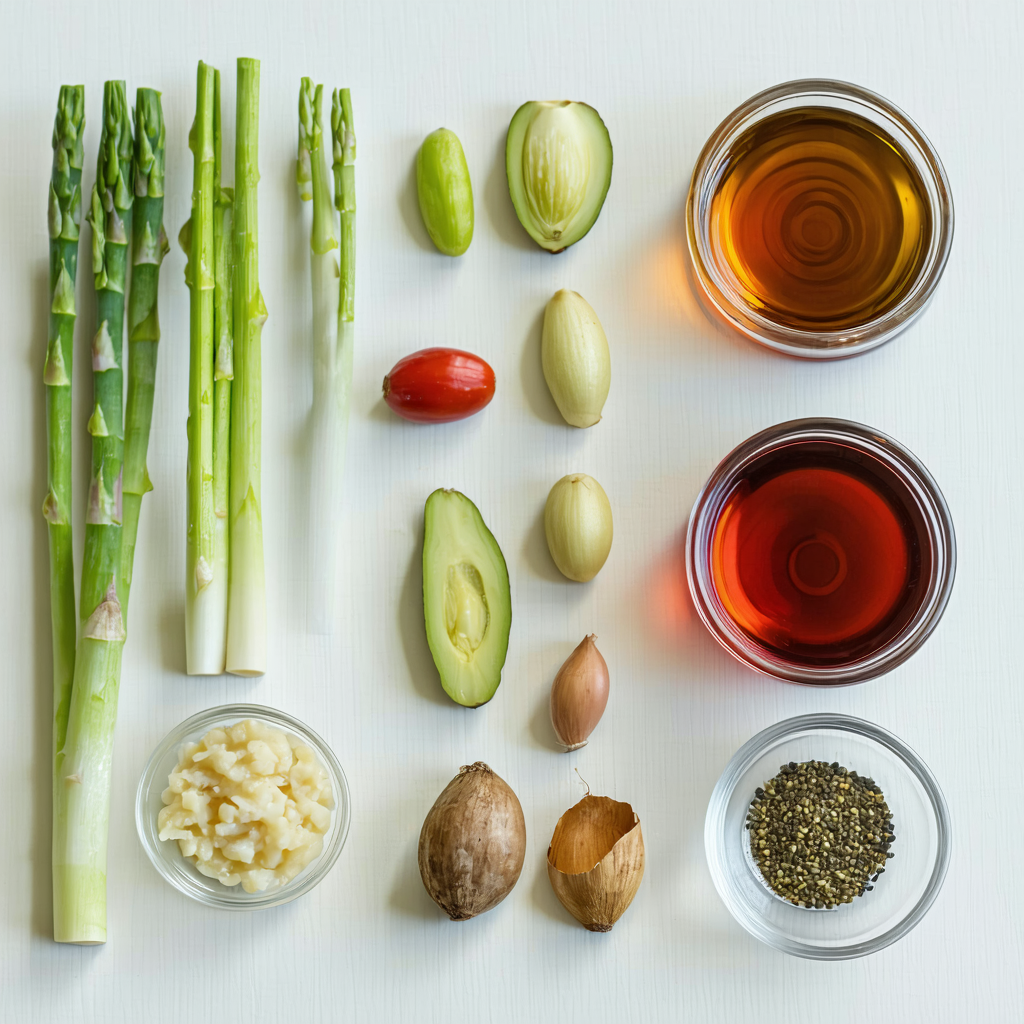
How fermented foods support gut health
Fermented foods gut health is one of the most researched connections in modern nutrition science, and the evidence is genuinely encouraging. Adding fermented foods to your daily routine may support a more diverse gut microbiome, which researchers increasingly link to better digestion, immune function, and overall wellbeing. I have found that even small, consistent additions – like a spoonful of sauerkraut at lunch – can make a noticeable difference over weeks.
Fermented Foods Gut Health: What Matters Most
Table of contents
- What are fermented foods
- How fermentation works in your gut
- Best fermented foods for gut health
- The science behind fermented foods and gut health
- How much fermented food should you eat
- How to start adding fermented foods without digestive upset
- Fermented foods vs probiotic supplements
- Making fermented foods at home
- Who should be cautious with fermented foods
- Building a sustainable fermented foods routine
- Frequently asked questions
What are fermented foods
Fermented foods are foods and beverages that have been transformed by the controlled growth of microorganisms – bacteria, yeasts, or molds. This ancient preservation method predates refrigeration by thousands of years and is found in virtually every food culture on earth.
Common examples include yogurt, kefir, kimchi, sauerkraut, miso, tempeh, kombucha, and sourdough bread. Not all of them contain live microorganisms by the time you eat them – sourdough bread, for instance, has its bacteria killed during baking – but many do, and those living cultures are what make fermented foods gut health such a compelling topic.
The key distinction is between fermented foods that contain live active cultures and those that are simply fermented during production. For gut microbiome benefits, you generally want the live-culture versions.
How fermentation works in your gut
When you eat a fermented food containing live bacteria, those microorganisms travel through your digestive system. Some are destroyed by stomach acid, but a meaningful number reach the large intestine, where most of your gut microbiome lives.
Once there, they can interact with your existing microbial community in several ways. They may compete with less beneficial bacteria for resources, produce short-chain fatty acids that feed the gut lining, and release compounds that help regulate the local immune environment.
Fermentation also changes the food itself before it even reaches you. The process breaks down some hard-to-digest compounds, increases the bioavailability of certain nutrients, and reduces antinutrients like phytic acid. This means fermented foods are often easier to digest than their unfermented counterparts – something I noticed personally when I switched from regular milk to kefir and my afternoon bloating largely disappeared.
Best fermented foods for gut health
Not every fermented food delivers the same benefit. Here is a practical overview of the most well-studied options and what makes each one useful for gut health.
Yogurt
Yogurt is probably the most accessible fermented food in most grocery stores. Look for labels that say “live and active cultures” – this confirms the beneficial bacteria survived pasteurization. Plain, unsweetened yogurt is the best choice because added sugar can feed less beneficial gut bacteria.
Kefir
Kefir is a fermented milk drink that typically contains a wider variety of bacterial strains than yogurt, along with beneficial yeasts. Some research suggests kefir may be better tolerated by people with lactose intolerance because the fermentation process partially breaks down lactose. Water kefir is a dairy-free alternative that some people find equally useful.
Kimchi
Kimchi is a Korean fermented vegetable dish – usually napa cabbage and radish – seasoned with garlic, ginger, and chili. It is rich in Lactobacillus bacteria and also provides fiber, vitamins C and K, and antioxidants. The combination of probiotics and prebiotic fiber in a single food makes kimchi particularly interesting for fermented foods gut health research.
Sauerkraut
Sauerkraut is fermented cabbage with a long track record in European food traditions. Buy refrigerated, unpasteurized sauerkraut rather than the shelf-stable canned version, which has been heat-treated and no longer contains live cultures. Even a tablespoon or two per day may support microbial diversity.
Miso
Miso is a Japanese paste made from fermented soybeans, often combined with rice or barley. It is high in sodium, so portion awareness matters, but it adds a rich umami flavor and a range of beneficial microorganisms. Stir it into warm – not boiling – water to preserve the live cultures.
Tempeh
Tempeh is a firm, nutty-flavored food made from fermented whole soybeans. Unlike tofu, which is not fermented, tempeh contains live cultures and is also a complete protein source. It is a particularly good option for people following plant-based diets who want fermented foods gut health benefits alongside their protein intake.
Kombucha
Kombucha is a fermented tea beverage made with a SCOBY – a symbiotic culture of bacteria and yeast. The research on kombucha is less robust than on dairy-based fermented foods, but it does contain organic acids and live microorganisms. Watch for high-sugar commercial versions, which can offset some benefits.
Sourdough bread
Sourdough is fermented during the leavening process, which breaks down some gluten and reduces phytic acid. Because it is baked, the live cultures do not survive, so it does not deliver probiotics directly. However, the fermentation process does make it easier to digest for many people, and it contains prebiotic fiber that feeds existing gut bacteria.
The science behind fermented foods and gut health
The research on fermented foods gut health has accelerated significantly over the past decade. A landmark 2021 study published in Cell by researchers at Stanford University found that a diet high in fermented foods increased microbiome diversity and decreased markers of inflammation – two outcomes that are consistently linked to better long-term health. You can read a summary of this research at the National Institutes of Health.
Microbiome diversity – having a wide variety of different microbial species in your gut – is considered a marker of a healthy gut ecosystem. Low diversity has been associated with conditions including inflammatory bowel disease, obesity, and metabolic dysfunction. Fermented foods appear to be one of the more practical dietary tools for nudging diversity upward.
The inflammation finding is also significant. Chronic low-grade inflammation is a driver of many common health problems. The fact that increasing fermented food intake was associated with lower inflammatory markers – even in a relatively short study period – supports the idea that fermented foods gut health is not just about digestion but about systemic wellbeing.
Short-chain fatty acids (SCFAs) are another important mechanism. When gut bacteria ferment fiber and other compounds, they produce SCFAs like butyrate, acetate, and propionate. Butyrate in particular is the primary fuel for colonocytes – the cells lining your colon – and may support the integrity of the gut barrier. A healthy gut barrier helps prevent unwanted substances from crossing into the bloodstream, a process sometimes called “leaky gut.”
It is worth noting that most studies in this area are observational or short-term intervention trials. The field is moving quickly, but definitive long-term randomized controlled trials are still relatively limited. That said, the direction of evidence consistently points toward benefit, and the safety profile of traditional fermented foods is well established.
How much fermented food should you eat
There is no single universal dose, but the Stanford study mentioned above used roughly six servings of fermented foods per day to achieve measurable results. That sounds like a lot, but a serving is smaller than most people think.
- One serving of yogurt: about 170g (6 oz)
- One serving of kefir: about 240ml (1 cup)
- One serving of sauerkraut or kimchi: about 2 tablespoons
- One serving of miso: about 1 tablespoon dissolved in water
- One serving of kombucha: about 120ml (4 oz)
- One serving of tempeh: about 85g (3 oz)
In practice, I have found that aiming for two to four servings per day is a realistic and sustainable target for most people who are not already eating a fermented-food-rich diet. Even this level may support gut microbiome diversity over time, especially when combined with a high-fiber diet that gives those microorganisms something to work with.
Consistency matters more than quantity. Eating a large amount of fermented food occasionally is less useful than eating moderate amounts regularly. The gut microbiome responds to ongoing dietary patterns, not single meals.
How to start adding fermented foods without digestive upset
One of the most common questions I hear is: “I tried sauerkraut and felt gassy and bloated – is that normal?” The answer is yes, it often is, especially if your gut microbiome is not accustomed to live cultures or high-fiber fermented vegetables.
The solution is to start low and go slow. Begin with a teaspoon or two of a fermented food per day and increase gradually over two to four weeks. This gives your gut microbiome time to adjust without triggering uncomfortable symptoms.
Here is a practical approach for the first month:
- Week 1: Add one small serving of a mild fermented food – plain yogurt or a small amount of kefir – once per day.
- Week 2: Increase to two servings per day, or try a second type of fermented food.
- Week 3: Introduce a fermented vegetable like sauerkraut or kimchi in small amounts (1-2 teaspoons).
- Week 4: Gradually increase fermented vegetable portions and experiment with variety.
Pairing fermented foods with prebiotic-rich foods – things like onions, garlic, leeks, asparagus, oats, and bananas – gives the beneficial bacteria a food source and may amplify the gut health benefit. Think of prebiotics as the fertilizer and fermented foods as the seeds.
Fermented foods vs probiotic supplements
This is a question that comes up constantly in fermented foods gut health discussions, and the honest answer is that they are not interchangeable – each has strengths and limitations.
- Variety of strains: Fermented foods often contain dozens of different bacterial strains, while most probiotic supplements contain one to a handful of well-studied strains.
- Dose certainty: Supplements provide a known CFU (colony forming unit) count per dose. Fermented foods vary widely in their microbial content depending on brand, batch, and storage.
- Nutrient package: Fermented foods come with fiber, protein, vitamins, and minerals. Supplements deliver microorganisms only.
- Cost: Fermented foods – especially homemade – are generally far less expensive than quality probiotic supplements.
- Evidence base: Certain probiotic strains have strong evidence for specific conditions (like Lactobacillus rhamnosus GG for antibiotic-associated diarrhea). Fermented foods have broader but less condition-specific evidence.
- Shelf stability: Supplements are easier to travel with and store. Live-culture fermented foods need refrigeration.
My own view is that whole fermented foods should be the foundation, with targeted probiotic supplements used if you have a specific reason – such as rebuilding your microbiome after a course of antibiotics. Most people do not need a supplement if they are eating a varied diet that regularly includes fermented foods.
Making fermented foods at home
Home fermentation is simpler than most people expect, and it dramatically lowers the cost of incorporating fermented foods into your routine. It also gives you control over ingredients – no added sugar, no unnecessary preservatives.
Simple lacto-fermented vegetables
The basic method for fermenting vegetables like cabbage (sauerkraut) or cucumbers involves nothing more than salt, water, and time. Shred or slice your vegetable, massage or submerge it in a 2-3% salt brine, pack it into a clean jar, and keep it at room temperature for three to seven days. The naturally occurring bacteria on the vegetable do the rest.
Yogurt at home
Making yogurt at home requires milk, a small amount of existing yogurt as a starter, and a warm environment (around 40-43°C / 104-110°F) for six to eight hours. A simple yogurt maker or even a turned-off oven with the light on can provide the right temperature. The result is a live-culture yogurt with no fillers or thickeners.
Water kefir
Water kefir grains – available online or from fermentation communities – can be combined with sugar water and fruit juice to produce a lightly fizzy, dairy-free fermented drink in 24-48 hours. It is one of the most beginner-friendly home fermentation projects and a good entry point for people who do not tolerate dairy.
Who should be cautious with fermented foods
Fermented foods are safe for the vast majority of people, but there are some situations where caution or medical guidance is appropriate.
Histamine intolerance: Fermented foods are naturally high in histamine. People with histamine intolerance may experience headaches, skin flushing, or digestive symptoms after eating them. If you notice these reactions, it is worth discussing with a healthcare provider before increasing fermented food intake.
Immunocompromised individuals: People undergoing chemotherapy, taking immunosuppressant medications, or living with conditions that significantly impair immune function should speak with their doctor before consuming foods with live cultures, particularly unpasteurized products.
SIBO (small intestinal bacterial overgrowth): Some people with SIBO find that fermented foods worsen their symptoms, at least initially. This is an area where individualized guidance from a gastroenterologist or registered dietitian is valuable.
High sodium intake: Foods like miso, sauerkraut, and kimchi can be high in sodium. If you are managing blood pressure or have been advised to limit sodium, account for these foods within your overall daily intake.
None of these considerations mean fermented foods are harmful – they simply mean that context matters, and some people benefit from a more tailored approach.
Building a sustainable fermented foods routine
The most effective fermented foods gut health strategy is one you can maintain long term. Here are the practical habits I have found most useful for keeping fermented foods a consistent part of daily eating rather than a short-term experiment.
Anchor fermented foods to existing meals. I add a spoonful of sauerkraut to whatever I am already eating for lunch – a sandwich, a grain bowl, a piece of fish. It takes no extra time and becomes automatic within a week or two.
Keep variety in rotation. Eating the same fermented food every day is better than eating none, but rotating between yogurt, kefir, kimchi, miso, and others exposes your gut to a wider range of microbial strains. Variety in fermented foods mirrors the variety your microbiome thrives on.
Pair with a high-fiber diet. Fermented foods work best when your gut microbiome has plenty of prebiotic fiber to ferment. Aim for a diet rich in vegetables, legumes, whole grains, and fruit alongside your fermented foods.
Read labels when buying. Look for “live and active cultures,” “unpasteurized,” or “raw” on packaging. Avoid fermented foods with long ingredient lists full of preservatives, which can inhibit microbial activity.
Track how you feel. Keep a simple note for the first few weeks – energy, digestion, bloating, mood. Many people notice gradual improvements that they might otherwise attribute to something else. Awareness reinforces the habit.
Do not let perfect be the enemy of good. A serving of supermarket yogurt is far better for your fermented foods gut health than waiting until you have time to make your own kimchi. Start with what is accessible and build from there.
Frequently asked questions
What are the best fermented foods for gut health?
The best fermented foods for gut health are those that contain live active cultures and that you will actually eat consistently. Yogurt, kefir, kimchi, sauerkraut, miso, and tempeh are among the most well-studied options. Variety across different types is more beneficial than large amounts of a single food, since different fermented foods introduce different microbial strains to your gut.
How quickly do fermented foods improve gut health?
Some people notice changes in digestion – less bloating, more regularity – within one to two weeks of adding fermented foods regularly. Measurable changes in gut microbiome composition have been observed in research studies within two to six weeks of consistent intake. Long-term microbiome diversity improvements likely require sustained dietary habits rather than short-term interventions.
Can fermented foods replace probiotic supplements?
For most healthy people eating a varied diet, fermented foods may support gut health without the need for probiotic supplements. However, supplements can be useful in specific situations – such as after antibiotic use or for managing particular digestive conditions – where targeted strains at specific doses have evidence behind them. Fermented foods and supplements address gut health through overlapping but not identical mechanisms.
Are all fermented foods good for gut health?
Not all fermented foods contain live cultures by the time you consume them. Shelf-stable sauerkraut, pasteurized kombucha, and baked sourdough do not deliver live microorganisms, though they may still offer other nutritional benefits. For fermented foods gut health benefits specifically related to the microbiome, look for products with live active cultures that have not been heat-treated after fermentation.
Can you eat too many fermented foods?
For most people, eating a wide variety of fermented foods in reasonable amounts is safe and beneficial. Eating very large quantities – particularly of fermented vegetables high in sodium – could contribute to excess sodium intake. People with histamine intolerance may find that high amounts worsen symptoms. Starting gradually and listening to your body is the most practical approach.
Do fermented foods help with bloating?
Some people find that regular consumption of fermented foods reduces chronic bloating over time, possibly by supporting a more balanced gut microbiome. Paradoxically, introducing fermented foods too quickly can temporarily increase bloating and gas as your gut adjusts. Starting with small amounts and increasing gradually typically minimizes this effect. If bloating is severe or persistent, it is worth discussing with a healthcare provider.
What is the connection between fermented foods and the immune system?
Roughly 70 percent of the immune system is located in and around the gut. A diverse, well-supported gut microbiome – which fermented foods may help maintain – is thought to play a role in appropriate immune regulation. The Stanford Cell study found that increased fermented food intake was associated with lower inflammatory markers, suggesting a connection between fermented foods gut health and systemic immune function, though more research is ongoing.
Are fermented foods safe during pregnancy?
Most pasteurized fermented foods like yogurt and kefir are generally considered safe during pregnancy and may support digestive comfort. Unpasteurized fermented foods carry a small risk of harmful bacteria like Listeria and are typically advised against during pregnancy. As with any dietary change during pregnancy, it is best to discuss specifics with a midwife or obstetrician.
For more practical wellness ideas, browse the Health Living Today guide library.