Nature walks mental health is easier to understand when you break it into clear steps, realistic expectations, and small daily choices.
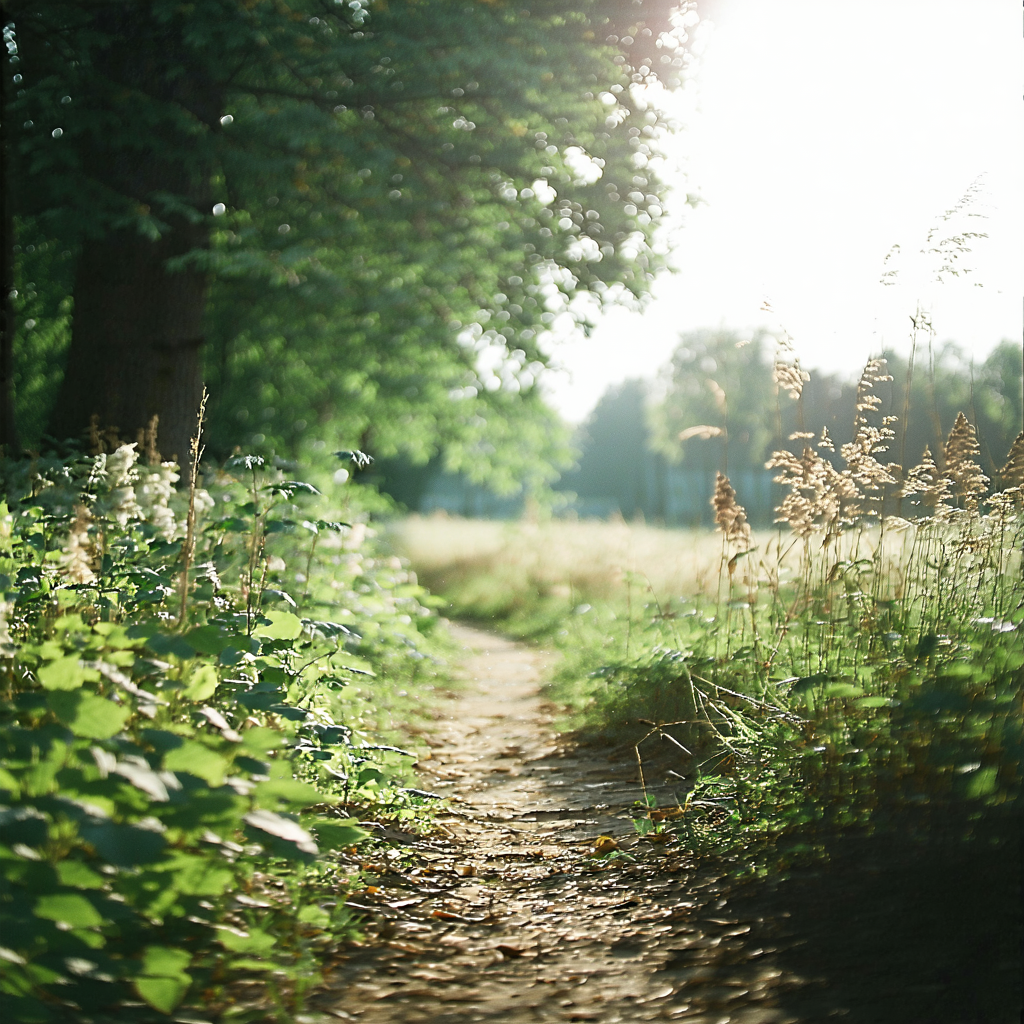
Nature Walks Mental Health: What Matters Most
How nature walks support mental health
Spending time on nature walks for mental health benefits is one of the most accessible, low-cost habits I have found for steadying my mood and clearing mental clutter. Research consistently shows that even short walks in green or natural spaces may reduce stress hormones, lower rumination, and lift overall wellbeing. If you are looking for a simple starting point for better mental health, stepping outside into nature is a strong first move.
Table of contents
- What the science says about nature walks and mental health
- How nature changes the brain and nervous system
- Benefits at a glance – a quick comparison
- How long and how often you need to walk
- Types of nature walks for different mental health goals
- Making nature walks a consistent mental health habit
- Walking with others versus walking alone
- Urban nature – making it work when you live in a city
- My own experience with nature walks and mental health
- Safety, accessibility, and common barriers
- Frequently asked questions
What the science says about nature walks and mental health
The evidence base for nature walks and mental health has grown substantially over the past two decades. A landmark 2015 study published in PNAS found that participants who walked for 90 minutes in a natural environment showed significantly lower activity in the subgenual prefrontal cortex – the brain region linked to rumination and repetitive negative thinking – compared with those who walked in an urban setting.
More recent large-scale reviews have reinforced this picture. A 2019 meta-analysis in Science of the Total Environment pooled data from over 140 studies and concluded that exposure to natural environments was associated with reduced cortisol levels, lower heart rate, and self-reported improvements in mood and mental wellbeing. These are not trivial effects.
The World Health Organization also recognises green space access as a meaningful factor in population mental health, noting that urban green spaces can reduce psychological distress and promote physical activity at the same time. Nature walks for mental health are not fringe wellness advice – they sit within mainstream public health guidance.
How nature changes the brain and nervous system
Understanding the mechanism helps you trust the habit. Several overlapping explanations have been proposed, and in my reading, no single one tells the whole story – they work together.
Attention restoration theory
Psychologists Rachel and Stephen Kaplan proposed that natural environments restore directed attention – the kind you use for focused work – by giving it a rest. Nature engages what they called “soft fascination”: the gentle, effortless attention drawn by moving water, rustling leaves, or shifting light. This allows the executive attention network in your brain to recover, which is why a nature walk may leave you feeling mentally refreshed rather than drained.
Stress recovery theory
Roger Ulrich’s stress recovery theory suggests that natural scenes trigger rapid psychophysiological recovery from stress. Within minutes of viewing natural environments, measurable changes appear – reduced muscle tension, lower blood pressure, and a shift in the autonomic nervous system toward parasympathetic dominance. This is the “rest and digest” state, as opposed to the “fight or flight” state most of us spend too much time in.
Reduced rumination
Rumination – repetitive, self-focused negative thinking – is a core feature of depression and anxiety. Nature walks appear to interrupt this loop. The mild, involuntary attention demanded by natural settings may simply crowd out the mental bandwidth that rumination needs to sustain itself. This is one reason why nature walks for mental health feel qualitatively different from, say, walking on a treadmill while watching the news.
Microbiome and sensory exposure
Emerging research points to the role of exposure to soil microbes, phytoncides (volatile compounds released by trees), and varied sensory input in supporting immune function and possibly mood. This is early-stage science, but it adds another layer to why being genuinely outdoors – not just near a window – seems to matter for mental health outcomes.
Benefits at a glance – a quick comparison
Here is how nature walks compare with some other commonly recommended mental health habits across a few practical dimensions.
- Nature walk in a park or woodland: low cost, no equipment needed, combines light exercise with sensory restoration, accessible to most fitness levels, social or solitary
- Gym cardio session: requires membership or equipment, higher intensity option, less evidence for rumination reduction specifically, good for physical fitness goals
- Meditation (seated): no travel required, strong evidence for anxiety, requires practice to build the skill, no physical activity component
- Urban walk (streets, shopping areas): convenient, some exercise benefit, but research suggests lower mood benefit than green-space walking, more cognitive load from traffic and crowds
- Journaling: free, private, evidence-supported for emotional processing, no physical or sensory component
Nature walks for mental health score particularly well on accessibility, cost, and the combination of physical movement with sensory restoration. They are rarely the only tool you need, but they are a strong anchor habit.
How long and how often you need to walk
One of the most common questions I hear is: how much is enough? The honest answer is that even short exposures appear to help, and more is generally better up to a point.
The 20-minute threshold
A 2019 study in Frontiers in Psychology found that a 20-minute nature walk was sufficient to produce measurable reductions in cortisol. Participants did not need to exert themselves physically – a relaxed stroll was enough. This is encouraging because it means nature walks for mental health do not require a major time commitment to get started.
The 120-minute weekly sweet spot
A large UK study published in Scientific Reports (2019) analysed data from nearly 20,000 people and found that spending at least 120 minutes per week in natural environments was associated with significantly better health and wellbeing. Below that threshold, the benefits were less consistent. This works out to roughly 17 minutes a day, or two longer walks of about an hour each week.
Frequency versus duration
Based on what I have read and experienced personally, frequency matters as much as duration. Three 25-minute walks spread across the week seem to produce more consistent mood benefits than one long walk followed by days indoors. The nervous system benefits from regular, repeated exposure rather than occasional large doses.
Types of nature walks for different mental health goals
Not all nature walks are the same, and matching the type of walk to your current mental state can make a meaningful difference.
Mindful nature walks
A mindful nature walk involves deliberately slowing your pace and engaging each sense in turn – what you can see, hear, smell, and feel underfoot. Some people find this practice particularly helpful for anxiety because it anchors attention in the present moment. I have found that naming five things I can hear within a minute of starting a walk shifts my mental state noticeably.
Brisk walking in nature
If low mood or low energy is the issue, a slightly faster pace may help more. Brisk walking raises heart rate, releases endorphins, and adds a mild aerobic stimulus that a slow stroll does not. The nature element still provides the restoration benefit, so you get a combined effect. This approach is well-suited to mornings when you need to shift your energy state before the day begins.
Awe walks
Researcher Dacher Keltner and colleagues have studied “awe walks” – walks where the explicit intention is to notice things that inspire a sense of wonder or vastness. Preliminary research suggests these walks produce greater positive emotion and reduced self-focused thinking compared with ordinary walks. You do not need a dramatic landscape for this. A large old tree, an unusual cloud formation, or the way light moves through leaves can be enough.
Social nature walks
Walking with another person in a natural setting combines the benefits of social connection with those of nature exposure. Some mental health programmes – such as “Walking for Health” in the UK – are built around exactly this combination. If loneliness or isolation is part of your mental health picture, social nature walks may be especially worth prioritising.
Making nature walks a consistent mental health habit
The gap between knowing nature walks support mental health and actually doing them regularly is where most people get stuck. I have been there. Here is what has worked for me and what the behavioural science suggests.
Anchor the walk to an existing routine
Habit stacking – attaching a new behaviour to an established one – is one of the most reliable methods for building consistency. Walking after your morning coffee, during your lunch break, or before dinner works better than trying to find a free slot in an already full day. The cue already exists; you are just adding the walk.
Lower the bar deliberately
Commit to five minutes, not an hour. Once you are outside and moving, you will almost always continue. The hardest moment is putting on your shoes. Keeping the commitment small removes the psychological friction that stops most good habits before they start.
Prepare for low-motivation days
Decide in advance what you will do when it is raining, cold, or you are tired. Having a shorter, closer route for difficult days means you do not have to make a decision under low willpower. I keep a 10-minute loop near my home that I use when I genuinely cannot face anything longer. It still counts, and it keeps the habit alive.
Track without obsessing
A simple tick on a calendar or a note in your phone is enough. You are not training for a race – you are building a mental health habit. Tracking helps you notice patterns, like how your mood shifts after three consecutive days of nature walks versus three days without them.
Walking with others versus walking alone
Both have genuine value, and the right choice depends on what you need on a given day.
Walking alone in nature is particularly effective for processing difficult emotions, reducing rumination, and practising mindfulness. The absence of social demands means your nervous system can fully down-regulate. Many people who journal find that solo nature walks serve a similar function – thoughts surface and settle without the need to perform or respond.
Walking with others adds the dimension of social support, which is independently protective for mental health. Conversations that happen while walking side by side tend to be easier and more honest than face-to-face conversations. There is even a term for this in therapeutic contexts – “walk and talk” therapy – where a therapist and client walk together outdoors during sessions.
In my own experience, I alternate. Weekday walks tend to be solo and used for decompression. Weekend walks with my partner or a friend serve a different purpose – connection and shared experience. Both feel like investments in mental health, just different kinds.
Urban nature – making it work when you live in a city
Not everyone has easy access to woodland trails or coastline. Nature walks for mental health do not require pristine wilderness, and this is worth emphasising clearly.
Urban parks, tree-lined streets, canal paths, community gardens, and even green verges all provide some of the restorative effects associated with natural environments. The key variables appear to be greenness (the density of vegetation), the presence of natural sounds (birdsong, water), and reduced traffic noise and visual clutter.
Practical strategies for city dwellers
- Identify the greenest route between two points you already travel, even if it adds five minutes
- Use apps like AllTrails or local council walking maps to find parks and green corridors you may not know about
- Visit larger urban parks during quieter times – early morning provides both greenery and relative quiet
- Seek out water features – research suggests proximity to water (blue space) produces similar restorative effects to green space
- Use a nature sounds playlist only as a last resort – actual outdoor exposure is meaningfully better than simulated nature for mental health outcomes
City-based nature walks for mental health are a real option, not a consolation prize. Studies conducted in urban parks show mood improvements comparable to those found in more rural settings, particularly when the park has mature trees and low traffic noise.
My own experience with nature walks and mental health
A few years ago I went through a period of sustained work stress that left me feeling flat and mentally foggy most evenings. I was exercising at a gym regularly, eating reasonably well, and sleeping adequately – but something was still off. On a friend’s suggestion, I started replacing one gym session a week with a walk in a local nature reserve.
Within about three weeks I noticed that my evenings after those walks felt different. Not dramatically different, but quieter – less reactive, less prone to the low-grade irritability that had become my default. I started adding a second walk. Then a third. The gym sessions did not disappear, but they became less central to how I managed my mental state.
What I have found is that nature walks for mental health work best when I treat them as non-negotiable, the way I treat sleep. On days when I skip them because I am busy, I notice the difference by the following morning. That feedback loop – feeling the absence of the habit – is now one of the strongest motivators I have.
Safety, accessibility, and common barriers
Nature walks for mental health are broadly accessible, but it is worth acknowledging real barriers honestly rather than glossing over them.
Physical mobility
Shorter, flat routes in parks or along accessible paths deliver many of the same benefits as more demanding trails. The mental health gains from nature exposure are not primarily driven by exercise intensity – the environment itself does much of the work. Wheelchair-accessible nature paths exist in most urban areas and many national parks.
Safety concerns
Walking alone in unfamiliar or isolated areas carries real risk for some people, particularly women and marginalised groups. Practical responses include walking during daylight hours, sharing your route with someone, using populated park paths, or joining a walking group. The goal is to make the habit sustainable, not to override legitimate safety concerns.
Weather and seasons
Cold, rain, and short winter days are genuine deterrents. Appropriate clothing removes most of the weather barrier. Research suggests that winter nature walks still produce mental health benefits, and some people find that the sensory contrast of cold air and grey skies has its own restorative quality. Keeping a waterproof jacket and walking shoes by the door reduces the friction of getting out.
Time poverty
If 20 minutes feels impossible, 10 minutes is still worth doing. Nature walks for mental health do not require large blocks of time. A 10-minute walk at lunch, combined with a 10-minute walk after dinner, meets the basic threshold and fits into almost any schedule.
Frequently asked questions
Do nature walks actually help with anxiety and depression?
Research suggests that regular nature walks may support reduced anxiety symptoms and lower mood-related rumination, but they are not a replacement for professional mental health treatment when that is needed. Many people find nature walks a useful complement to therapy or medication, and some find them sufficient for managing mild to moderate low mood on their own. If you are experiencing significant anxiety or depression, speaking with a healthcare provider is the right first step.
How is a nature walk different from a regular walk for mental health?
The environment appears to matter independently of the physical exercise. Studies that compare walking in natural settings with walking in urban or indoor settings consistently find greater mood and stress-reduction benefits from the natural setting, even at the same pace and duration. The sensory qualities of natural environments – greenery, natural sounds, reduced noise pollution – seem to drive much of the benefit.
Can I listen to music or podcasts during a nature walk and still get the mental health benefits?
Possibly, but you may reduce the benefit. Several researchers suggest that the restorative effect of nature walks comes partly from the natural soundscape – birdsong, wind, water – and the gentle, involuntary attention it draws. Blocking this with headphone audio may undercut some of the effect. I have found that walking without audio, at least some of the time, produces a noticeably different mental state than walking while listening to a podcast. Experimenting with both is worthwhile.
What if I do not live near any green spaces?
Urban parks, tree-lined streets, and waterways all provide some restorative benefit, even if they are not pristine wilderness. The research on urban nature walks for mental health shows meaningful mood improvements from city parks with mature trees, particularly when traffic noise is low. Travelling occasionally to a larger natural area – even once or twice a month – can supplement more frequent urban walks.
Is there a best time of day for a nature walk for mental health benefits?
The evidence does not strongly favour one time over another. Morning walks may help set a positive tone for the day and expose you to natural light, which supports circadian rhythm and mood. Evening walks may be better for decompression after a stressful day. The best time is the one you will actually do consistently – personal schedule and preference matter more than an optimal window.
How quickly can I expect to notice mental health improvements from nature walks?
Some people notice a mood shift within a single walk. Cortisol reductions have been measured after as little as 20 minutes outdoors. For longer-term benefits – reduced baseline anxiety, improved sleep, more stable mood – most studies suggest a pattern of regular walks over several weeks is needed. Think of it less like taking a painkiller and more like building a fitness base: the benefits compound with consistency over time.
For more practical wellness ideas, browse the Health Living Today guide library.