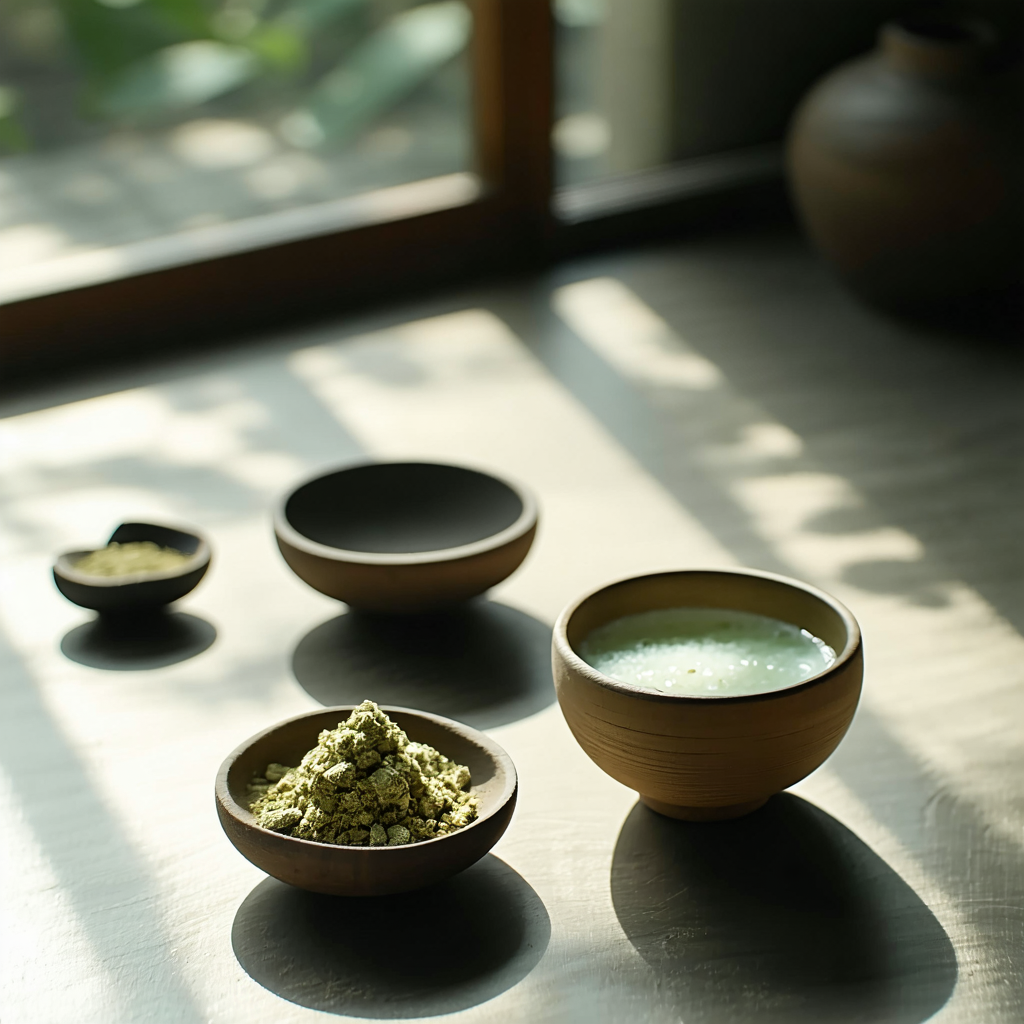
Kava vs CBD relaxation – which one actually works better for you?
When it comes to kava vs cbd relaxation, both options can genuinely take the edge off a stressful day, but they work through completely different mechanisms and suit different people and situations. Kava acts primarily on GABA receptors and produces a noticeable, almost ceremonial sense of calm, while CBD interacts with the endocannabinoid system in a subtler, more background way. Understanding those differences is the fastest route to picking the right tool for your own routine.
Table of contents
- What is kava and how does it produce relaxation?
- What is CBD and how does it support calm?
- Kava vs CBD relaxation – the core comparison
- Onset time and duration
- Social relaxation vs solo wind-down
- Safety considerations and side effects
- Forms, dosing, and practical use
- Who tends to do better with kava?
- Who tends to do better with CBD?
- Can you combine kava and CBD?
- My own experience switching between both
- Making your final choice
- Frequently asked questions
What is kava and how does it produce relaxation?
Kava – also written as kava kava – is a root plant native to the Pacific Islands, where it has been used in ceremonial and social settings for thousands of years. The active compounds are called kavalactones, and they are responsible for its distinctive calming effect.
Kavalactones work mainly by modulating GABA-A receptors in the brain, the same receptor family targeted by anti-anxiety medications like benzodiazepines, though through a different binding site and with a much gentler profile. Some research also suggests kavalactones may interact with dopamine pathways, which could partly explain the mild mood lift many people notice.
The relaxation from kava is not subtle. Most people describe a warm, grounding feeling that starts in the body – often a slight numbing of the lips and tongue first – and then spreads into a mental quietness. It does not cause the heavy sedation of alcohol, and it does not impair thinking in the same way. Many users say they feel calm but clear-headed.
A useful starting reference for understanding how kava has been studied is the National Center for Complementary and Integrative Health’s kava overview, which summarizes the existing evidence and known risks in plain language.
What is CBD and how does it support calm?
CBD – cannabidiol – is a non-intoxicating compound extracted from hemp plants. Unlike THC, it does not produce a high. It has become one of the most widely used wellness supplements in the world over the past decade.
CBD interacts with the endocannabinoid system, a regulatory network that helps the body maintain balance across sleep, mood, inflammation, and stress response. It also appears to interact with serotonin receptors (specifically 5-HT1A) and may influence GABA signaling indirectly, which is part of why it overlaps with kava in the relaxation space.
The calming effect of CBD is generally described as a background reduction in mental noise. Unlike kava, there is rarely a pronounced physical sensation. Many people say they only notice it working when they realize they have been sitting quietly for 20 minutes without reaching for their phone. That subtlety is a feature for some people and a frustration for others.
Kava vs CBD relaxation – the core comparison
Looking at kava vs cbd relaxation side by side helps clarify which might fit your lifestyle better. Here is a direct comparison of the most important practical factors.
- Mechanism: Kava – kavalactones acting on GABA-A and possibly dopamine receptors. CBD – endocannabinoid system, 5-HT1A serotonin receptors, indirect GABA influence.
- Intensity of effect: Kava – noticeable, body-forward calm. CBD – subtle, background quieting.
- Onset: Kava – 15 to 30 minutes for traditional preparation, faster for extracts. CBD – 15 to 45 minutes for oils, 30 to 90 minutes for edibles.
- Duration: Kava – 2 to 4 hours typically. CBD – 4 to 8 hours depending on form and individual metabolism.
- Intoxication risk: Kava – mild at moderate doses, can impair driving at high doses. CBD – essentially none at standard doses.
- Legal status: Both are legal in most US states and many countries, though regulations vary.
- Drug test risk: Kava – none known. CBD – low but possible if products contain trace THC.
- Liver considerations: Kava – some concern with heavy long-term use, especially with alcohol. CBD – generally well tolerated, though high doses may affect liver enzymes.
- Social use: Kava – strong tradition of communal use. CBD – typically a solo supplement.
- Cost: Kava – moderate, traditional preparation is affordable. CBD – varies widely by brand and form.
When people search for kava vs cbd relaxation comparisons, this intensity and duration difference is usually the most decisive factor. If you want something you will definitely feel, kava tends to win. If you want something you can take daily without noticing a shift in your baseline functioning, CBD tends to win.
Onset time and duration
Onset and duration matter enormously when you are choosing a relaxation tool. Getting the timing wrong means either not feeling anything when you need it or still feeling foggy when you need to be sharp.
With kava, traditional shell preparation – mixing powdered root with water and straining it – typically produces effects within 15 to 30 minutes. Instant kava powders and concentrated extracts can hit faster, sometimes within 10 to 15 minutes. The effect usually peaks around 45 to 90 minutes and fades over 2 to 4 hours, making it well suited to an evening wind-down with a defined end point.
CBD onset depends heavily on the delivery method. Sublingual oils held under the tongue for 60 to 90 seconds absorb relatively quickly, with effects noticeable in 15 to 45 minutes. Capsules and gummies take longer – 30 to 90 minutes – because they pass through the digestive system. However, CBD often lasts longer, with many people reporting a gentle calming effect for 4 to 8 hours, which makes it better suited to daytime use or situations where you need sustained background calm rather than a distinct relaxation window.
Social relaxation vs solo wind-down
One underrated dimension of the kava vs cbd relaxation question is social context. Kava has a deep cultural history as a communal drink. Pacific Island traditions use it to open conversations, resolve disputes, and create a sense of shared ease. Modern kava bars have transplanted this into Western culture surprisingly successfully.
I have found that kava genuinely lowers social friction in a way CBD does not. There is something about the shared ritual – passing shells, the slight bitterness, the slow onset – that creates a natural pause in the busy pace of a typical evening. It is a social lubricant without the morning-after regret of alcohol.
CBD, on the other hand, is almost always a solo supplement. You take a dropper of oil or a gummy by yourself, usually as part of a personal routine. That is not a drawback – it just serves a different purpose. For someone who needs help quieting their mind before bed or managing daily background tension, the solo format is perfectly appropriate.
If your primary goal in exploring kava vs cbd relaxation is to find something that helps you show up more comfortably in social situations, kava has a meaningful edge. If your goal is a quieter nervous system throughout the day, CBD is likely the better fit.
Safety considerations and side effects
Neither kava nor CBD is completely without caution, and being honest about that is important when comparing them for relaxation purposes.
Kava safety
The most discussed safety concern with kava is liver toxicity. There were a number of case reports in the early 2000s linking kava to serious liver damage, which led to temporary bans in some European countries. Subsequent research suggested that many of those cases involved non-traditional preparations – using stems and leaves rather than the root, or combining kava with alcohol or medications.
Traditional root-based kava, consumed in moderate amounts without alcohol, appears to have a much better safety profile. Still, people with existing liver conditions, those who drink regularly, or anyone taking medications processed by the liver should speak with a healthcare provider before using kava regularly.
Other common side effects at moderate doses include temporary skin dryness with very heavy long-term use (a condition called dermopathy), mild stomach upset if taken on an empty stomach, and next-day grogginess if too much is consumed late at night.
CBD safety
CBD’s safety profile is generally considered favorable. The most common side effects are fatigue, changes in appetite, and mild digestive upset. At very high doses – typically much higher than most people use for relaxation – some studies have noted elevated liver enzymes, so this is worth monitoring if you are taking high-dose CBD daily.
CBD can also interact with certain medications by affecting the cytochrome P450 enzyme system in the liver, which processes many drugs. If you take any prescription medication, checking with a pharmacist before starting CBD is a practical step.
The drug test issue is worth a brief mention. Full-spectrum CBD products contain trace amounts of THC, and while the levels are low, they can occasionally accumulate and trigger a positive result. Broad-spectrum or isolate products carry less risk on this front.
Forms, dosing, and practical use
Understanding the available forms helps you fit either option into your actual life rather than an idealized routine.
Kava forms and typical use
Kava is available as traditional ground root powder, instant powder, capsules, tinctures, and ready-to-drink shots. Traditional preparation involves mixing medium-grind root powder with water and kneading it through a muslin cloth – it takes about 10 minutes and many enthusiasts consider the ritual part of the benefit.
For relaxation purposes, a moderate dose of kavalactones is generally in the range of 70 to 250 mg per session. Most traditional preparations of 1 to 2 tablespoons of root powder in 8 to 12 oz of water fall within that range. Starting at the lower end and assessing your response before increasing is the sensible approach.
CBD forms and typical use
CBD comes as oils and tinctures, capsules, gummies, topicals, and vape products. For relaxation, oils and gummies are the most common choices. A typical starting dose for relaxation is 15 to 25 mg, with many people finding their sweet spot between 25 and 50 mg.
One of the known quirks of CBD is that it can behave differently at different doses. Some people find very low doses mildly stimulating and higher doses more calming. Starting low and adjusting gradually over a week or two gives you a much clearer picture than jumping straight to a high dose.
Who tends to do better with kava?
In the kava vs cbd relaxation comparison, kava tends to suit people who:
- Want a distinct, felt relaxation effect they can notice and rely on
- Are looking for an alcohol alternative for social occasions
- Prefer an evening-specific tool with a clear window of effect
- Enjoy ritual and preparation as part of the experience
- Have tried CBD and found it too subtle to notice
- Are not taking medications that interact with liver metabolism
- Do not drink alcohol regularly or have no liver health concerns
Kava is particularly popular among people who are sober-curious or who have cut back on alcohol and want something that fills a similar social and sensory role without the downsides.
Who tends to do better with CBD?
CBD tends to suit people who:
- Want a daily supplement that supports background calm without a noticeable shift in how they feel
- Need something they can take during the workday without any functional impairment
- Prefer capsules or gummies over a drink-based ritual
- Are primarily dealing with low-grade daily tension rather than acute stress
- Want a longer-lasting, sustained effect rather than a 2 to 4 hour window
- Are comfortable navigating product quality differences and reading lab reports
- Live in a context where kava is hard to source or culturally unfamiliar
CBD is also often the first choice for people who are new to botanical wellness supplements because it is widely available, easy to dose, and carries minimal risk of a strong unexpected effect.
Can you combine kava and CBD?
Some people do use kava and CBD together, and anecdotally many report the combination feels complementary – the CBD providing a sustained background calm and the kava adding a more pronounced evening relaxation on top of it.
However, combining two compounds that both influence GABA and stress pathways does carry the theoretical risk of additive sedation, especially at higher doses of either. Both are also processed by liver enzymes, so the interaction question is not entirely resolved by current evidence.
If you want to experiment with combining them, starting with lower doses of each and doing so in a safe, low-stakes environment – not before driving or operating anything that requires full alertness – is the sensible approach. Many people who use both simply take CBD during the day and kava in the evening, keeping them separated by several hours.
My own experience switching between both
I spent about three months using CBD oil daily – around 30 mg each evening – before I first tried kava at a small kava bar that opened near my neighborhood. The difference was immediately apparent. With CBD, I had grown accustomed to a gentle reduction in evening restlessness that I honestly only noticed when I forgot to take it. With kava, the effect arrived within 20 minutes and was unmistakably present – a warm, settled feeling in my chest and a quieting of the mental chatter I usually carry into the evening.
What I have settled on now is using CBD on weekday mornings to support a steadier baseline through the day, and reaching for kava on Friday or Saturday evenings when I want a more deliberate wind-down. The two serve different purposes in my own routine, and thinking of them as competitors rather than complements was the wrong frame from the start.
That said, when I only had to pick one – which was the situation for most of those three months – CBD won on practicality. It fit more easily into a daily supplement routine, required no preparation, and never left me feeling like I had overdone it.
Making your final choice
The kava vs cbd relaxation decision ultimately comes down to three questions: How pronounced do you want the effect to be? When and how often do you plan to use it? And are there any health or lifestyle factors that rule one out?
If you want something you will definitely feel, that suits an evening or social context, and that works within a 2 to 4 hour window, kava is likely your better starting point. If you want something subtle, daily-friendly, and easy to integrate without any ritual or preparation, CBD is probably the smarter first choice.
Neither one is universally better. The best answer to the kava vs cbd relaxation question is the one that matches your actual life – your schedule, your sensitivity, your social context, and your comfort with a more pronounced versus more background effect.
Whichever direction you go, starting with a quality product matters more than most people realize. For kava, that means sourcing noble kava root from a reputable supplier – not tudei kava, which is associated with more side effects. For CBD, it means choosing products with third-party certificates of analysis confirming cannabinoid content and the absence of pesticides and heavy metals.
Both options may support a calmer nervous system, better sleep onset, and a more grounded response to daily stress. The evidence base for each is still developing, but the practical experience of millions of users – and a growing body of research – suggests both deserve a serious look when you are thinking about non-pharmaceutical approaches to relaxation.
Frequently asked questions
Is kava or CBD better for anxiety?
Both kava and CBD have been studied in the context of anxiety, and both show some promising signals. Kava has more direct clinical trial evidence specifically targeting anxiety symptoms, with several randomized controlled trials showing meaningful effects. CBD’s evidence is more preliminary but growing. For acute situational anxiety – like before a presentation or a social event – kava’s faster, more pronounced effect may be more useful. For daily background anxiety, CBD’s sustained, subtle action may be easier to maintain consistently. Neither should be used as a substitute for professional support if anxiety is significantly affecting your life.
Will kava or CBD make me feel high or impaired?
CBD at standard relaxation doses (15 to 50 mg) does not produce any intoxicating effect and is generally considered non-impairing. Kava at moderate doses produces a noticeable calm but most people remain clear-headed and functional. At higher doses, kava can cause mild sedation and some impairment of coordination and reaction time, so driving after a large kava session is not advisable. Neither compound produces the euphoria associated with THC or alcohol.
How long does it take to feel kava vs CBD for relaxation?
Kava typically produces noticeable effects within 15 to 30 minutes of consuming a traditional preparation, sometimes faster with extracts. CBD onset varies by form – sublingual oils may work in 15 to 45 minutes, while gummies and capsules can take 30 to 90 minutes because they are absorbed through the digestive tract. If you need something that works within a predictable short window, kava tends to be more reliable in that regard.
Can I take kava and CBD together?
Some people do use both, often at different times of day, and report complementary effects. The main considerations are additive sedation at higher doses of each and the fact that both are metabolized by the liver. Starting with lower doses of each, keeping them separated by a few hours, and avoiding alcohol when combining them is a cautious approach. If you take any prescription medications, speak with a pharmacist before combining kava and CBD.
Is kava legal in the United States?
Yes, kava is legal in the United States and is sold as a dietary supplement. It is also legal in most other Western countries, though Germany and a few other European nations have had historical restrictions. CBD derived from hemp (with less than 0.3% THC) is federally legal in the US under the 2018 Farm Bill, though individual state regulations can vary slightly.
Does kava show up on a drug test?
Kava does not contain any controlled substances and is not known to produce a positive result on standard drug tests. CBD, particularly full-spectrum products that contain trace amounts of THC, carries a small risk of triggering a positive result if used heavily and consistently. If drug testing is a concern, broad-spectrum or CBD isolate products are a safer choice than full-spectrum options.
Which is better for sleep – kava or CBD?
Both may support sleep onset by reducing the mental tension and physical restlessness that often delay it. Kava’s more pronounced calming effect makes it a popular choice for an evening wind-down ritual, and some small studies suggest it may improve sleep quality. CBD is often used for sleep as well, particularly at moderate to higher doses taken 30 to 60 minutes before bed. In the kava vs cbd relaxation context of sleep specifically, many people find kava more immediately effective, while CBD may be better for maintaining a calmer baseline that makes sleep easier over time.
How do I choose a quality kava or CBD product?
For kava, look for products that specify noble kava root – not stems, leaves, or tudei varieties – and that come from reputable Pacific Island sources like Vanuatu, Fiji, or Tonga. For CBD, always choose products that provide a certificate of analysis from an independent third-party laboratory, confirming the cannabinoid content and showing the product is free of pesticides, heavy metals, and residual solvents. Both markets have quality variation, and doing a small amount of research before purchasing makes a meaningful difference in the experience you get.
For more practical wellness ideas, browse the Health Living Today guide library.