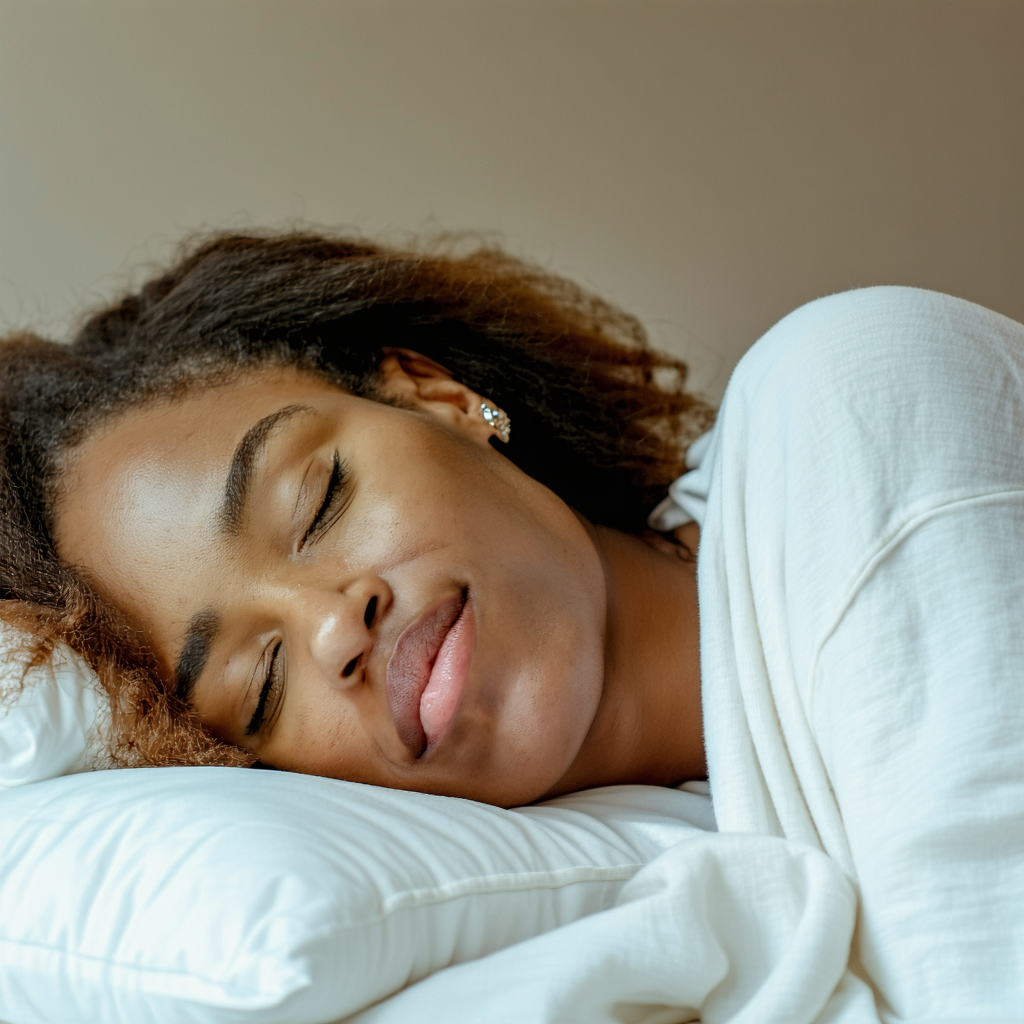
Noise pollution and sleep – what you need to know right now
Noise pollution and sleep are deeply connected – unwanted sound raises stress hormones, fragments sleep stages, and chips away at the restorative rest your body needs even when you do not fully wake up. The good news is that a handful of practical, low-cost strategies can make a measurable difference to the quality of your nights. I have found that understanding the mechanism first makes it much easier to choose the right fix for your specific situation.
Table of contents
- How noise disrupts sleep – the biology
- Common sources of noise pollution that affect sleep
- Health effects linked to poor sleep from noise
- Optimising your bedroom environment
- Sound masking – white noise, pink noise, and beyond
- Ear protection options compared
- Behavioural strategies and sleep hygiene adjustments
- Longer-term advocacy and community action
- Frequently asked questions
How noise disrupts sleep – the biology
Your sleeping brain is never fully off
Even in deep sleep your auditory cortex continues to process sound. Researchers have shown that the brain flags unfamiliar or unpredictable noise as a potential threat and triggers a micro-arousal – a brief shift toward lighter sleep – without you ever consciously waking. These micro-arousals reduce the proportion of time you spend in slow-wave sleep and REM sleep, the two stages most responsible for physical repair and memory consolidation.
The relationship between noise pollution and sleep quality is not simply about loudness. Research published by the World Health Organization on environmental noise guidelines for Europe indicates that intermittent and unpredictable sounds – a passing truck, a neighbour’s door – are more disruptive than steady background noise at the same average decibel level. Predictability matters as much as volume.
The cortisol and adrenaline response
Sudden noise activates the hypothalamic-pituitary-adrenal axis, prompting a small release of cortisol and adrenaline. In a genuinely dangerous situation that response is helpful. In a bedroom at 2 a.m. it simply raises your heart rate, delays sleep onset, and leaves you feeling unrested in the morning. Chronic exposure – living near a busy road or airport – means this stress response fires repeatedly across every single night.
Over weeks and months the cumulative hormonal load from noise pollution and sleep disruption can influence cardiovascular markers, glucose regulation, and mood. This is not alarmist – it is the documented mechanism behind why epidemiologists treat environmental noise as a public health issue rather than a personal annoyance.
Common sources of noise pollution that affect sleep
Traffic and transportation noise
Road traffic is the most widespread source of noise pollution affecting sleep in urban and suburban areas. Lorries, motorcycles, and buses generate low-frequency rumble that penetrates walls more easily than high-frequency sound. Rail and aircraft noise follow similar patterns – brief but intense intrusions that reliably trigger the micro-arousal response described above.
If you live within roughly 300 metres of a major road or under a flight path, traffic noise is almost certainly influencing your sleep architecture even if you have adapted to it consciously. Adaptation to noise pollution and sleep disturbance is largely psychological – the physiological stress response diminishes only partially over time.
Neighbourhood and domestic noise
Neighbours, parties, barking dogs, and thin-walled apartment buildings create a different problem – the noise is social and therefore carries emotional weight. Research suggests emotionally salient sounds, such as raised voices, are processed more deeply during sleep and cause longer arousals than neutral sounds at the same volume.
Domestic noise within your own home – a snoring partner, a television in the next room, a humming appliance – is often overlooked when people investigate their sleep quality. In my own routine I was surprised to discover that my partner’s phone notification sounds were waking me several times a night before I finally put both phones on silent at 10 p.m.
Industrial and construction noise
Night-time construction and industrial operations are regulated in most jurisdictions, but enforcement is inconsistent. Low-frequency vibration from compressors and generators is particularly difficult to block because it travels through building structures rather than just air. If you are dealing with this type of noise, standard foam earplugs offer limited protection and you may need to combine multiple strategies.
Health effects linked to poor sleep from noise
Cardiovascular effects
The link between noise pollution and sleep disruption and cardiovascular health is one of the better-documented areas in environmental medicine. Repeated nocturnal cortisol and adrenaline surges place sustained demand on the heart and blood vessels. Large-scale epidemiological studies have found associations between long-term residential traffic noise exposure and elevated rates of hypertension and coronary events.
It is worth being clear: association is not proof of direct causation in every individual case, and lifestyle factors interact with noise exposure. Still, the consistency of findings across different countries and study designs gives the relationship credibility.
Cognitive and mental health effects
Fragmented sleep impairs consolidation of memories formed the previous day. People who experience chronic noise pollution and sleep disruption often report difficulty concentrating, slower reaction times, and lower mood – all of which are consistent with the known cognitive consequences of reduced slow-wave and REM sleep.
Some people find that the anxiety of anticipating a noisy night becomes its own sleep barrier. The dread of the 3 a.m. bin lorry or the upstairs neighbour’s footsteps can delay sleep onset even on quiet nights – a feedback loop worth recognising and addressing directly.
Metabolic effects
Sleep deprivation from any cause – including noise pollution and sleep fragmentation – is associated with changes in appetite-regulating hormones, specifically higher ghrelin and lower leptin levels. This may support increased hunger and a preference for calorie-dense foods the following day. Over the long term, chronically poor sleep has been linked in population studies to higher rates of obesity and type 2 diabetes.
Optimising your bedroom environment
Acoustic insulation basics
Mass and air-sealing are the two principles behind effective acoustic insulation. Sound travels through gaps far more easily than through solid material, so sealing the perimeter of windows and doors with acoustic-grade weatherstripping is often more cost-effective than replacing glazing entirely. A draught you can feel is almost certainly also a sound path.
Heavy curtains lined with a dense fabric – sometimes marketed as thermal or blackout curtains – provide modest but real attenuation of high-frequency traffic noise. They will not block low-frequency rumble, but they can reduce the sharpness of tyre noise and voices, which are the frequencies most likely to trigger arousals. For the noise pollution and sleep problem specifically, even a 3-5 decibel reduction in peak noise level meaningfully reduces the frequency of micro-arousals.
Room layout and furniture placement
Positioning your bed on the wall furthest from the noise source is a simple, free adjustment that some people overlook. Sound intensity follows an inverse-square relationship with distance – moving your bed two metres further from a noisy wall does make a genuine difference, even indoors.
Bookshelves filled with books, thick rugs, and upholstered furniture all add acoustic absorption and reduce the reflective surfaces that allow sound to bounce around a room. A bedroom that feels acoustically “dead” – where your voice sounds flat rather than echoey – is one where peak noise intrusions will be slightly less harsh.
Secondary glazing and window inserts
If your budget allows it, secondary glazing – a second pane fitted inside the existing window frame – can reduce external noise by 40-70% depending on the air gap and glass thickness. Removable window inserts made from acrylic are a renter-friendly alternative that achieves a similar effect without permanent installation. For people who live near airports or major roads and are serious about the noise pollution and sleep problem, this is often the single highest-impact structural change available.
Sound masking – white noise, pink noise, and beyond
How masking works
Sound masking does not eliminate noise – it raises the ambient sound floor so that sudden intrusive sounds produce a smaller relative change in volume. Your brain responds to contrast, not absolute loudness. A truck passing at 65 dB against a background of 30 dB silence is far more arousing than the same truck against a background of 50 dB steady sound.
This is one of the most practical tools available for managing noise pollution and sleep quality, and it costs very little to try. A basic fan, a dedicated white noise machine, or a free smartphone app can all provide adequate masking for many common noise environments.
White noise, pink noise, and brown noise compared
- White noise – equal energy across all frequencies; sounds like static or a detuned radio; effective for masking high-frequency sounds like voices and high-pitched traffic
- Pink noise – more energy at lower frequencies than white noise; sounds like steady rainfall or a waterfall; many people find it more comfortable for extended listening and some small studies suggest it may support slow-wave sleep
- Brown noise – even more bass-heavy than pink noise; sounds like strong wind or a deep rumble; may be better suited to masking low-frequency traffic noise
- Nature sounds – recordings of rain, rivers, or ocean waves; psychologically calming for many people; effectiveness as masking depends on the specific recording and its frequency content
There is no universally superior option. I have found that pink noise works well for me on most nights, but I switch to brown noise when there is heavy overnight traffic outside. Experiment across several nights before drawing conclusions – your first impression in a quiet room rarely predicts how a sound will feel at 3 a.m.
Volume and placement
Keep masking sound at or below 50 decibels measured at ear level – roughly the volume of a quiet conversation. Louder is not more effective and sustained exposure above 55 decibels from a masking device could itself contribute to noise pollution and sleep problems over time. Place speakers or machines at least one metre from your head and avoid putting earbuds in for overnight use unless they are specifically designed for sleep.
Ear protection options compared
Foam earplugs
Standard foam earplugs are inexpensive and widely available. When correctly inserted they provide a noise reduction rating of around 30-33 decibels for high-frequency sounds. Their main limitations are comfort over a full night, the occlusion effect (your own heartbeat and breathing become more audible), and reduced effectiveness against low-frequency noise. Many people find they work well for occasional use but become uncomfortable as a nightly habit.
Wax and silicone earplugs
Wax earplugs mould to the outer ear canal rather than being inserted deeply. They are generally more comfortable for side-sleepers and people who find foam plugs irritating. Noise reduction is slightly lower – typically 20-27 decibels – but comfort compliance over a full night tends to be higher, which matters more in practice. Reusable silicone options offer similar comfort with lower long-term cost.
Sleep-specific earbuds and headphones
A new category of sleep-oriented earbuds uses active noise cancellation combined with masking audio. These can be effective but vary significantly in quality and comfort. Flat, pillow-friendly designs work better for side-sleepers than standard in-ear monitors. If you are considering this route for noise pollution and sleep management, look for products with a dedicated sleep mode that limits volume output automatically.
- Foam earplugs – highest noise reduction, lowest cost, comfort issues for many users
- Wax or silicone earplugs – moderate noise reduction, better comfort, reusable options available
- Sleep earbuds with ANC – combines passive and active noise reduction with masking audio, higher cost, requires charging
- Over-ear sleep headphones (headband style) – comfortable for back-sleepers, plays audio, minimal passive noise reduction
Behavioural strategies and sleep hygiene adjustments
Adjusting sleep timing
If your noise environment has predictable quiet windows – for example, traffic drops significantly between 1 a.m. and 5 a.m. in some areas – aligning your sleep schedule with those windows is worth considering. This is not always practical, but for shift workers or people with flexible schedules it can meaningfully reduce the impact of noise pollution and sleep fragmentation.
A consistent sleep and wake time supports stronger circadian rhythm entrainment, which makes it easier to fall back to sleep after a noise-induced arousal. Irregular schedules amplify the damage of any given disturbance because your sleep pressure and circadian drive are already out of sync.
Pre-sleep relaxation and noise desensitisation
Relaxation techniques – progressive muscle relaxation, slow breathing, or body-scan meditation – do not reduce external noise, but they lower the baseline arousal level you bring to bed. A calmer nervous system requires a louder or more sustained noise to trigger a full awakening. Some people find that brief mindfulness practice before bed reduces the anticipatory anxiety about noise that can itself delay sleep onset.
Cognitive behavioural therapy for insomnia (CBT-I) includes specific techniques for managing conditioned arousal – the learned association between your bedroom and wakefulness. If noise pollution and sleep difficulty have become entangled with general insomnia, working with a CBT-I practitioner or a structured self-guided programme may be more effective than environmental changes alone.
Communicating with neighbours
Direct, calm conversation with a noisy neighbour resolves the problem more often than people expect. Most noise complaints involve unintentional disturbance – people genuinely do not know how sound carries through their floor or wall. A straightforward, non-accusatory approach – “I can hear your TV clearly through the wall after midnight, would you be able to use headphones?” – is worth trying before escalating to formal complaints.
Using local noise regulations
Most municipalities have night-time noise ordinances that restrict sound levels between roughly 11 p.m. and 7 a.m. Documenting disturbances with a free decibel meter app and logging dates and times gives you a factual record that strengthens any formal complaint. Local environmental health departments handle noise complaints separately from police, and for persistent issues they are often the more effective route.
Longer-term advocacy and community action
Why individual action has limits
Personal strategies for managing noise pollution and sleep are necessary and genuinely helpful, but they address symptoms rather than sources. Road traffic noise in residential areas, flight paths over cities, and industrial operations near homes are policy problems that require collective solutions. Recognising this does not mean feeling helpless – it means channelling energy appropriately.
Engaging with planning and transport decisions
Local planning consultations, transport authority reviews, and environmental impact assessments all accept public comment. Residents who engage with these processes – particularly those who can cite health evidence – have influenced decisions around speed limits, lorry routing, flight path design, and noise barriers. The WHO environmental noise guidelines referenced earlier are a credible source you can cite directly in submissions.
Community noise monitoring
Citizen science noise monitoring projects exist in many cities and allow residents to contribute to publicly accessible noise maps. Participation both documents the local problem and connects you with neighbours who share the concern – a practical first step toward coordinated advocacy. The data generated by these projects has been used in academic research and regulatory proceedings.
Frequently asked questions
How many decibels of noise is enough to disrupt sleep?
The WHO recommends that outdoor night-time noise levels remain below 40 decibels annual average, with 55 decibels as the level above which adverse health effects become increasingly likely. Indoors, peak noise events above roughly 45 decibels are associated with measurable increases in micro-arousals, even if you do not consciously wake. The relationship between noise pollution and sleep disruption begins at lower levels than most people assume.
Does the body adapt to noise pollution over time?
Conscious perception adapts – you stop noticing the traffic as much after a few weeks. Physiological responses adapt only partially. Studies measuring cortisol, heart rate, and sleep architecture in people who have lived near noisy roads for years still show measurable differences compared to matched controls in quieter areas. Adaptation to noise pollution and sleep disturbance is therefore more psychological than biological.
Is white noise safe to use every night long-term?
White noise used at a moderate volume – at or below 50 decibels at ear level – is considered safe for nightly use by most sleep researchers. The concern about hearing damage applies to sustained exposure above 70-75 decibels, which is far louder than appropriate masking levels. If you find that you cannot sleep without it after using it for months, that dependency is worth monitoring, but for most people it is a neutral or beneficial habit.
Can noise pollution and sleep problems cause permanent health damage?
The evidence points to reversible effects in most cases when noise exposure is reduced or sleep quality is restored. Cardiovascular risk associated with long-term noise exposure is real but represents a probabilistic increase in population-level risk rather than a guaranteed individual outcome. Addressing noise pollution and sleep quality as early as possible – rather than waiting until symptoms become severe – is the sensible approach.
What is the single most effective change I can make tonight?
For most people in urban environments, combining a masking sound source – a fan, a white noise machine, or a free app – with basic ear protection provides the fastest improvement in sleep continuity. Secondary glazing and acoustic sealing have higher impact but take time and money to implement. Starting with masking and earplugs tonight while planning structural changes over the coming weeks is a practical sequence that many people find works well.
Do children and older adults experience noise pollution and sleep disruption differently?
Children tend to sleep more deeply and may be less easily aroused by noise than adults, though their slow-wave sleep can still be fragmented by loud or sustained disturbances. Older adults have lighter sleep architecture naturally and are more vulnerable to noise-induced arousals. People over 65 living in noisy environments may benefit most from structural noise reduction measures rather than relying on behavioural adaptations alone.
Should I see a doctor about noise-related sleep problems?
If you have been experiencing poor sleep for more than three months, are feeling consistently fatigued during the day, or notice mood, concentration, or cardiovascular symptoms, a conversation with your doctor is worthwhile. A healthcare provider can rule out other contributing factors and may refer you to a sleep specialist or CBT-I programme. Noise pollution and sleep disruption rarely exist in isolation – stress, anxiety, and other sleep disorders often interact with environmental noise and may need separate attention.
For more practical wellness ideas, browse the Health Living Today guide library.