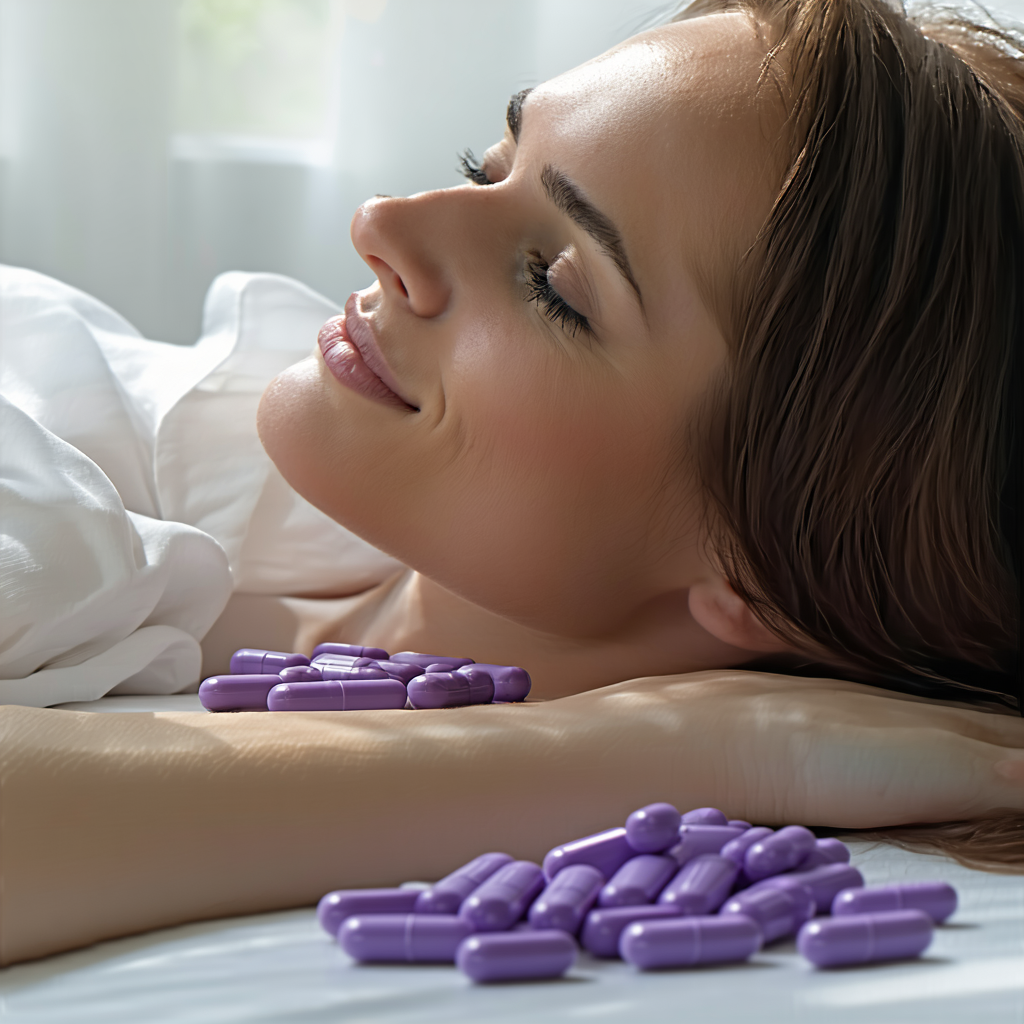
Glycine for sleep – what you need to know
Glycine for sleep is one of the more well-supported amino acid strategies I have come across in years of researching sleep hygiene. Research suggests that taking around 3 grams of glycine before bed may help you fall asleep faster, spend more time in restorative slow-wave sleep, and feel less groggy the following morning. If you have been cycling through melatonin and magnesium without lasting results, glycine is worth a serious look.
Table of contents
- What is glycine and why does it matter for sleep
- How glycine works in the body and brain
- What the evidence actually says
- How much glycine for sleep – dosage and timing
- Powder, capsule, or food – which form is best
- Stacking glycine with other sleep habits
- Side effects and safety considerations
- Who may benefit most from glycine for sleep
- How I use glycine in my own routine
- Frequently asked questions
What is glycine and why does it matter for sleep
Glycine is the smallest amino acid in the human body and one of the most abundant. It is classified as a non-essential amino acid, meaning your body can synthesize it on its own, but many researchers now argue that endogenous production is not always sufficient for optimal function – a concept sometimes called “conditionally essential.”
Your body uses glycine for a surprisingly wide range of jobs: building collagen, supporting liver detoxification, regulating blood sugar, and acting as an inhibitory neurotransmitter in the central nervous system. That last role is the one most relevant to glycine for sleep. In the spinal cord and brainstem, glycine acts similarly to GABA – it quiets overactive neurons and helps shift the nervous system toward a calmer state.
Collagen-rich foods like bone broth, skin-on poultry, and slow-cooked meats are good dietary sources. Most people eating a typical Western diet get somewhere between 1.5 and 3 grams of glycine per day from food. Sleep researchers have used supplemental doses on top of that baseline, which is an important distinction.
How glycine works in the body and brain
Core neurotransmitter effects
Glycine binds to glycine receptors in the brainstem and spinal cord, producing inhibitory signals that reduce neuronal excitability. This is not sedation in the heavy pharmaceutical sense – it is more like turning down background noise so the brain can transition into sleep mode more easily.
Glycine also acts as a co-agonist at NMDA receptors, meaning it helps modulate glutamate signaling. Glutamate is the brain’s main excitatory neurotransmitter, and keeping it in balance is central to healthy sleep architecture. Some people find that this dual action – inhibitory at glycine receptors, modulatory at NMDA receptors – produces a noticeably calm but clear-headed feeling before bed.
Core body temperature effects
One of the most compelling mechanisms behind glycine for sleep is its effect on core body temperature. Research from Osaka City University found that glycine promotes peripheral vasodilation – essentially widening the blood vessels near the skin surface – which allows heat to escape from the body more efficiently.
Your core body temperature needs to drop by roughly 1 to 2 degrees Fahrenheit in the hours before and during sleep. When glycine accelerates that drop, sleep onset happens faster and slow-wave (deep) sleep may deepen. This thermal mechanism is distinct from anything melatonin or magnesium does, which is part of why glycine can work well alongside those supplements rather than competing with them.
Serotonin pathway involvement
Glycine may also support serotonin synthesis indirectly. Serotonin is a precursor to melatonin, so anything that nudges serotonin availability in the right direction could have downstream benefits for your natural sleep-wake rhythm. This pathway is less directly studied than the temperature and inhibitory mechanisms, but it adds another plausible layer to the overall picture.
What the evidence actually says
The research base for glycine for sleep is smaller than for melatonin but more targeted. Most of the key human studies come from Japanese research groups, particularly work published in Sleep and Biological Rhythms and related journals.
A frequently cited study by Inagawa and colleagues gave participants 3 grams of glycine before bedtime and measured subjective sleep quality using the St. Mary’s Hospital Sleep Questionnaire. Participants reported falling asleep more easily, experiencing less daytime sleepiness, and feeling more alert and clear-headed the next morning compared to placebo.
A separate polysomnography study – the gold standard for measuring sleep objectively – found that glycine shortened the time to reach slow-wave sleep without altering total sleep time or suppressing REM sleep. That last point matters: some sleep aids reduce REM, which is the stage most associated with memory consolidation and emotional processing. Glycine appears to leave REM intact while improving the depth of deep sleep.
It is worth being honest about the limitations. Sample sizes in these studies are relatively small – often 10 to 20 participants. Most trials run for only a few nights. Long-term data is limited. The research is promising and mechanistically coherent, but it is not the same level of evidence as a large randomized controlled trial. I think that is a fair and important distinction to keep in mind.
How much glycine for sleep – dosage and timing
The standard research dose
The dose used consistently in sleep research is 3 grams, taken 30 to 60 minutes before bed. This amount is well below any threshold associated with adverse effects and is roughly equivalent to what you might get from a generous serving of bone broth – though getting it from food alone at that specific pre-bed timing is impractical for most people.
Some people start with 1 to 2 grams to assess tolerance and work up gradually. I have not seen compelling evidence that going above 3 grams produces meaningfully better sleep outcomes, and the studies that showed benefits used exactly that dose, so there is little reason to exceed it without a specific reason.
Timing matters more than you might expect
Taking glycine for sleep at the right time amplifies its thermal effect. Because the core body temperature drop is one of its primary mechanisms, you want glycine circulating in your system during the window when your body is naturally beginning that cooling process – roughly 30 to 60 minutes before your target sleep time.
Taking it too early (two or more hours before bed) may mean the peak effect passes before you are actually trying to sleep. Taking it right at bedtime still works for many people, but the 30-to-60-minute window seems to be the sweet spot based on available data.
Consistency over a few nights
In my own experience, glycine for sleep tends to show clearer benefits after three to five consistent nights rather than on the very first use. This may be because the thermal regulation effects become more predictable as your body adapts. If you try it once and feel nothing dramatic, that is normal – give it a week before drawing conclusions.
Powder, capsule, or food – which form is best
Glycine powder
Powder is the most cost-effective form and, in my view, the most practical. Pure glycine powder has a mild, naturally sweet taste – some describe it as slightly similar to sugar – which makes it easy to dissolve in a small amount of warm water or herbal tea before bed. At roughly 3 grams per serving, a 500-gram bag lasts several months.
Glycine capsules
Capsules are convenient if you travel or prefer not to measure powder. The trade-off is cost per gram, which is typically two to three times higher than powder. Check the label carefully – some capsule products contain 500 mg to 1 gram per capsule, meaning you may need three to six capsules to reach the 3-gram target dose.
Food sources
Dietary glycine from collagen-rich foods is valuable for overall health and may contribute to your baseline glycine status, but it is difficult to time and dose precisely for sleep purposes. Bone broth, slow-cooked meats, gelatin, and skin-on fish are the richest sources. Eating these foods regularly may support the background conditions that make supplemental glycine for sleep more effective.
- Powder – best value, easy to dose, mildly sweet taste
- Capsules – convenient for travel, higher cost per gram
- Food sources – good for baseline glycine status, impractical for precise pre-bed dosing
Stacking glycine with other sleep habits
Glycine and magnesium
Magnesium glycinate – a chelated form of magnesium bound to glycine – is one of the most popular magnesium supplements for sleep, and it delivers a meaningful dose of glycine alongside the magnesium. If you are already taking magnesium glycinate, you are getting some glycine, though usually less than 3 grams of pure glycine per serving. Some people combine both.
Magnesium and glycine work through related but distinct mechanisms – magnesium modulates NMDA receptors and supports GABA activity, while glycine adds its inhibitory and thermal effects. Many people find the combination more effective than either alone. I have found this pairing to be one of the more reliable stacks I have tried.
Glycine and melatonin
Melatonin signals the brain that darkness has arrived and supports the timing of your sleep-wake cycle. Glycine does not directly influence melatonin production, but by lowering core body temperature and reducing neuronal excitability, it creates conditions where melatonin can work more effectively. Using a low dose of melatonin (0.5 to 1 mg) alongside glycine is a reasonable approach for people who have difficulty with sleep onset.
Glycine and sleep hygiene basics
No supplement overrides poor sleep fundamentals. Glycine for sleep works best as part of a broader routine that includes consistent sleep and wake times, a cool and dark bedroom, limited blue light exposure in the two hours before bed, and avoiding large meals or alcohol close to bedtime. Think of glycine as amplifying a good sleep environment rather than compensating for a poor one.
A practical pre-bed stack example
- 60 minutes before bed: dim lights, stop screens
- 45 minutes before bed: 3 g glycine powder dissolved in warm chamomile tea, 200 mg magnesium glycinate
- 30 minutes before bed: light stretching or reading
- Bedroom temperature set to 65-68 degrees Fahrenheit
Side effects and safety considerations
Glycine has a well-established safety profile. It is a naturally occurring amino acid that your body already produces and uses continuously. At the 3-gram dose used in sleep research, side effects are rare and generally mild.
The most commonly reported issue is mild gastrointestinal discomfort – occasional nausea or loose stools – particularly when taken on an empty stomach. Starting with a lower dose and taking it with a small amount of food or liquid can help. Most people experience no side effects at all.
There is no established evidence of dependence or tolerance with glycine supplementation, which is a meaningful advantage over pharmaceutical sleep aids. You are not training your body to rely on an external sedative – you are supplementing an amino acid your body already uses.
People with kidney disease should consult a healthcare provider before adding any amino acid supplement, as the kidneys are involved in amino acid metabolism. Glycine is generally considered safe in typical supplemental doses, but individual circumstances vary and personalized guidance from a qualified professional is always appropriate.
Who may benefit most from glycine for sleep
People with difficulty falling asleep
If your main issue is lying awake for 30 minutes or more before drifting off, the thermal and inhibitory effects of glycine may be particularly relevant. Shortening sleep onset latency – the time between lying down and falling asleep – is one of the most consistently reported benefits in the research literature.
People who wake feeling unrefreshed
If you sleep a full eight hours but still wake up tired, the issue may be insufficient time in deep slow-wave sleep. Glycine appears to support deeper early-night sleep, which is the phase most responsible for physical restoration and feeling genuinely rested. Some people find this benefit more noticeable than any change in how quickly they fall asleep.
People with high-stress lifestyles
Chronic stress elevates cortisol and keeps the nervous system in a state of low-grade activation that makes sleep onset harder. Glycine’s inhibitory neurotransmitter role may help buffer some of that activation. It is not a stress treatment – but it may help create the neurological conditions that allow sleep to happen more naturally even when the day has been demanding.
People who want a non-habit-forming option
Many people are understandably cautious about sleep medications that carry dependence risks. Glycine for sleep sits in a different category – it is a nutrient your body already uses, taken at doses close to what you might get from a collagen-rich meal. For those who want something effective but without the pharmacological footprint of prescription or OTC sleep drugs, glycine is a reasonable starting point.
How I use glycine in my own routine
I started using glycine for sleep about two years ago after a particularly rough stretch of shallow, unrefreshing nights. I had already been using magnesium glycinate for a few months with modest results, and I was curious whether adding standalone glycine powder would make a noticeable difference.
My protocol is simple. About 45 minutes before I want to be asleep, I stir 3 grams of glycine powder into a small mug of warm water with a little lemon. The taste is genuinely pleasant – slightly sweet without being sugary. I pair it with 200 mg of magnesium glycinate and a 20-minute wind-down period with no screens.
What I noticed after about a week was not a dramatic sedative effect – glycine does not feel like taking a sleeping pill. It was subtler: I found myself feeling genuinely sleepy at my intended bedtime rather than just tired-but-wired, and I was waking up feeling more like I had actually slept rather than just been horizontal for eight hours. That distinction – tired versus unrefreshed versus actually rested – was the shift that made me stick with it.
I have experimented with skipping it for a week here and there, and the difference is noticeable enough that it has become a consistent part of my nightly routine. Your experience may differ, but in my own practice, glycine for sleep has earned its place.
Frequently asked questions
How long does glycine take to work for sleep
Most people notice some effect within the first few nights, but the clearest benefits often emerge after five to seven consistent uses. The thermal regulation mechanism becomes more predictable with repeated use. If you try glycine for sleep for a single night and feel nothing, that does not mean it will not work for you – give it at least a week of consistent use before evaluating.
Can I take glycine for sleep every night
The available evidence does not suggest any problem with nightly use at the 3-gram dose. Glycine is a naturally occurring amino acid with no known dependence profile. Many people use it nightly as a consistent part of their sleep routine without issues. That said, if you have specific health conditions, checking with a healthcare provider before starting any new supplement regimen is always a reasonable step.
Is glycine for sleep the same as GABA supplements
They are related but distinct. Both glycine and GABA are inhibitory neurotransmitters, but they work through different receptors and in different brain regions. Glycine receptors are concentrated in the brainstem and spinal cord, while GABA receptors are more widespread throughout the brain. Glycine also has the thermal regulation mechanism that GABA does not share. Some people respond better to one than the other, and they can be used together.
Does glycine affect dreams or REM sleep
Polysomnography research suggests that glycine does not suppress REM sleep, which is a meaningful distinction from many pharmaceutical sleep aids. Some users report more vivid dreams, which may simply reflect better overall sleep quality and more time spent in restorative sleep stages. There is no strong evidence that glycine negatively affects dream quality or REM architecture.
Can I get enough glycine for sleep from food alone
Dietary glycine from collagen-rich foods like bone broth, skin-on poultry, and gelatin supports your overall glycine status, but reaching 3 grams of additional glycine at a precise pre-bedtime window from food alone is impractical for most people. Food sources are valuable for baseline health, but supplemental glycine powder or capsules are more reliable for the sleep-specific dosing protocol studied in research.
Does glycine interact with any medications
Glycine is generally considered safe and is not known to have significant interactions with most common medications. However, because it has mild inhibitory effects on the nervous system, combining it with prescription sedatives, anti-anxiety medications, or other sleep aids warrants a conversation with a pharmacist or healthcare provider. This is a precautionary consideration rather than a documented risk at typical supplemental doses.
What is the difference between glycine and magnesium glycinate for sleep
Magnesium glycinate is magnesium bound to glycine. It delivers both magnesium and glycine, but the glycine content per serving is typically lower than the 3-gram dose used in sleep research. Magnesium glycinate is an excellent supplement for sleep and general health, and it contributes some glycine. For the full sleep-specific glycine dose, many people find it worth adding standalone glycine powder on top of their magnesium glycinate rather than relying on the chelated form alone.
Is glycine safe during pregnancy or breastfeeding
Glycine is a naturally occurring amino acid present in the diet and produced by the body, and it plays important roles during pregnancy including collagen synthesis and fetal development. However, supplemental doses above typical dietary intake have not been specifically studied in pregnant or breastfeeding populations for sleep purposes. Anyone who is pregnant or breastfeeding should consult their healthcare provider before adding any supplement, including glycine.
For more practical wellness ideas, browse the Health Living Today guide library.